How to Protect Birds from Cats (11 Tips & Tricks)
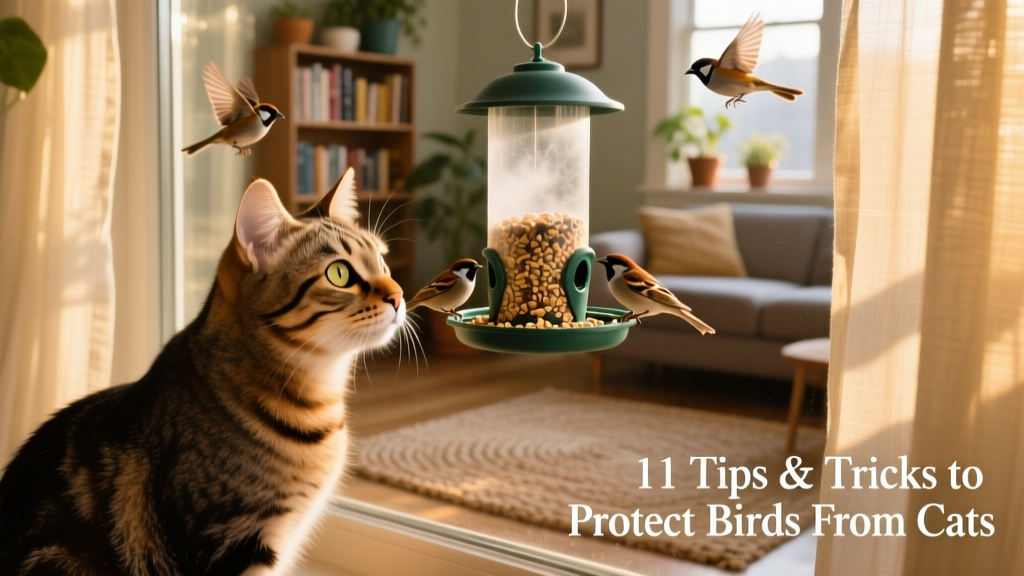
Cats pose a risk not only to wild birds but also to pet birds sharing the same home. If you live with both cats and birds, it’s essential to take proactive, consistent steps to keep your feathered friends safe from their natural predator.
Why Bird Safety Matters
Even well-fed, indoor cats retain strong hunting instincts. Studies show that free-roaming domestic cats kill billions of birds annually in the U.S. alone—and even supervised outdoor time or window perching can put local wildlife at risk. For pet birds, accidental exposure—even brief unsupervised contact—can result in serious injury or stress-induced illness.
11 Practical, Vet-Approved Tips to Keep Birds Safe
- Keep cats indoors full-time. This is the single most effective way to protect wild birds and eliminate risk to pet birds. Indoor cats also live longer, healthier lives.
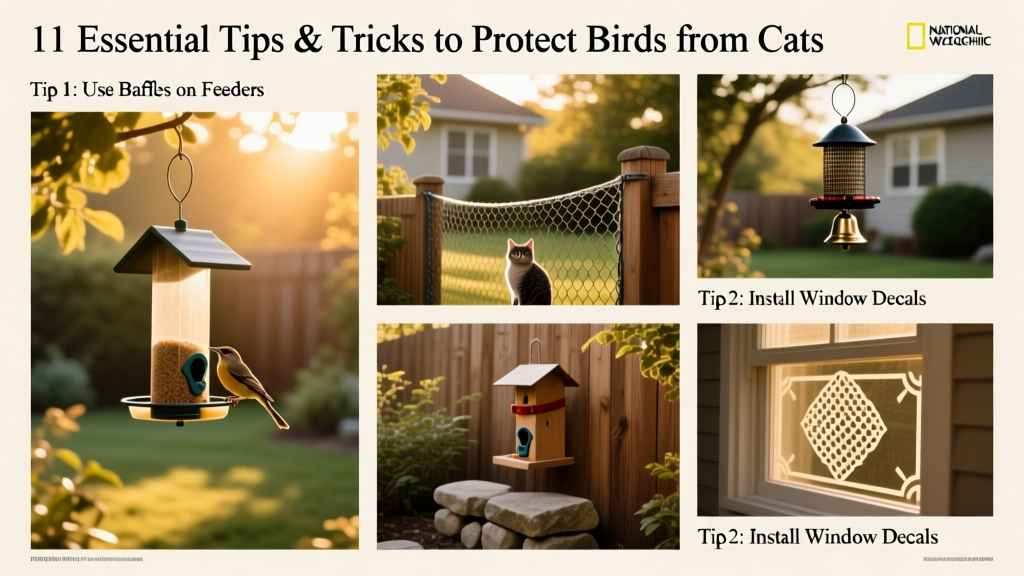
- Install secure, cat-proof bird feeders. Choose feeders mounted on tall, smooth poles (at least 6 feet high) with baffles or domes that prevent cats from climbing or jumping onto them. Place feeders at least 10 feet away from shrubs, fences, or other launch points.
- Use visual deterrents near feeders. Hang reflective tape, old CDs, or wind chimes nearby to startle cats without harming them. Motion-activated sprinklers also work well in yards.
- Create “bird-safe zones” in your yard. Plant dense, thorny shrubs like holly or barberry around feeding areas—these provide cover for birds while discouraging cats from lurking nearby.
- Supervise all outdoor time—for both pets. If your cat goes outside, use a harness and leash or a fully enclosed catio. Never allow unsupervised access to patios or balconies where birds might land.
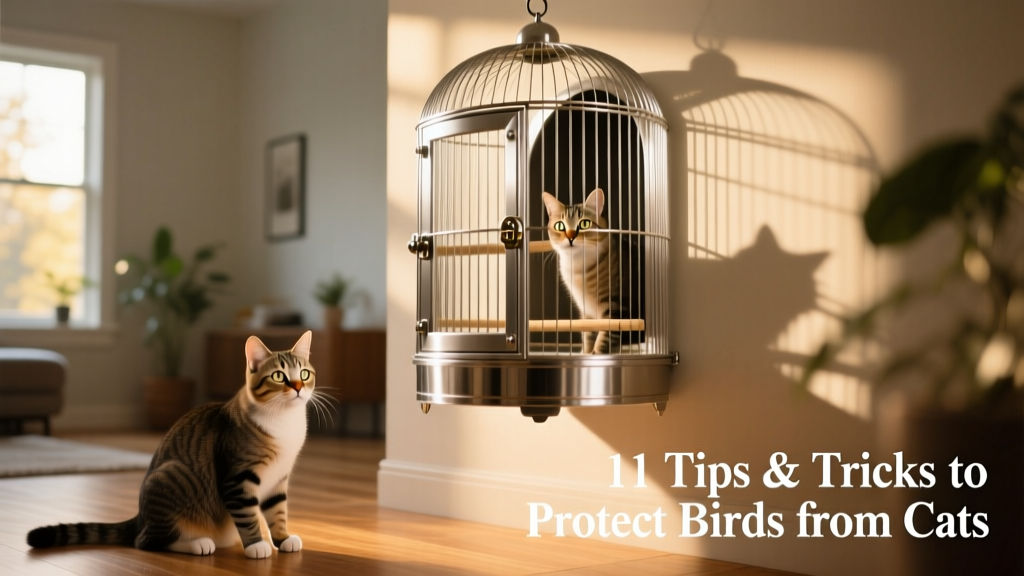
- Position bird cages thoughtfully. Always place pet bird cages in rooms cats cannot enter—or, if shared spaces are unavoidable, mount cages high on walls or shelves, away from jump zones and out of direct line of sight.
- Use physical barriers—not just distance. Install baby gates, closed doors, or pet-proof mesh panels to create permanent separation between cat and bird areas. Avoid relying solely on “cat-free hours,” as routines can slip.
- Choose cage materials wisely. Opt for stainless steel or powder-coated metal cages with narrow bar spacing (no more than ½ inch apart) and no external ladders or perches cats could paw at.
- Minimize scent and sound cues. Wash hands after handling birds or cleaning cages before interacting with your cat. Keep cage liners, toys, and food stored securely—cats can detect bird scent through packaging.
- Enrich your cat’s environment. Redirect hunting energy with interactive toys, puzzle feeders, and daily play sessions using wand toys that mimic bird movement—without real prey. FurPetVo offers a curated collection of vet-recommended enrichment tools at furpetvo.com.
- Train your cat with positive reinforcement. Reward calm, non-reactive behavior around bird sounds or images. Never punish curiosity—it can increase anxiety or fixation. Consistent, gentle training helps build reliable impulse control over time.
Bonus: What to Do If an Encounter Happens
If your cat and bird accidentally come into close proximity:
- Immediately separate them—never shout or chase, which may escalate stress.
- Check your bird carefully for injuries, even if none are visible. Stress can suppress the immune system, so monitor closely for lethargy, fluffed feathers, or changes in appetite or droppings for 48–72 hours.
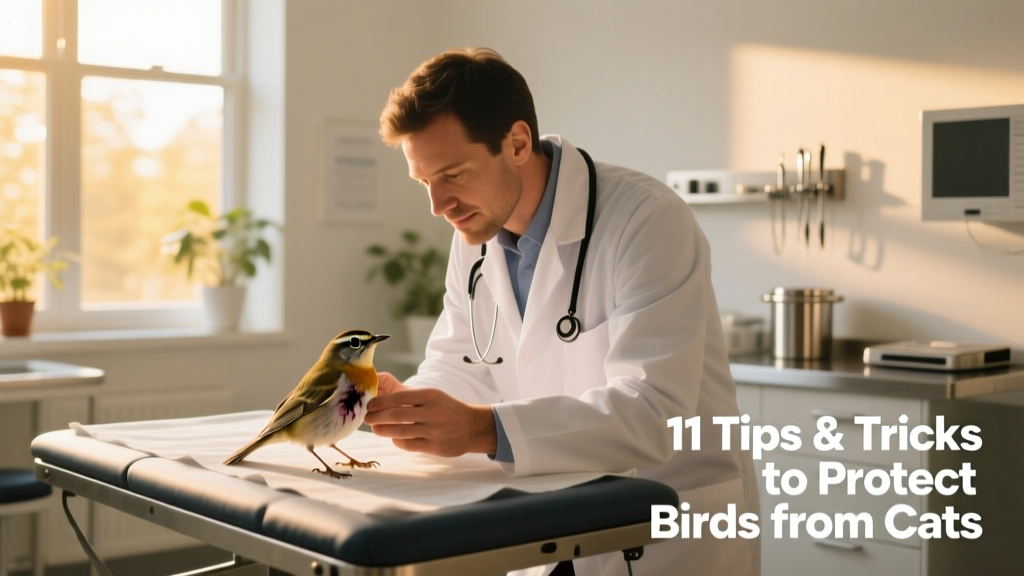
- Contact your avian veterinarian or a local exotics specialist right away—even minor scratches can introduce harmful bacteria.
- Reassess your safety plan: Identify how the breach occurred and strengthen barriers or supervision protocols accordingly.
Final Thoughts
Protecting birds from cats isn’t about eliminating instinct—it’s about thoughtful stewardship. With smart planning, consistent routines, and the right tools (like those available at furpetvo.com), you can create a peaceful, safe environment for all your pets. Remember: every small step adds up to meaningful protection—for backyard songbirds, your cherished companion birds, and your feline family member too.