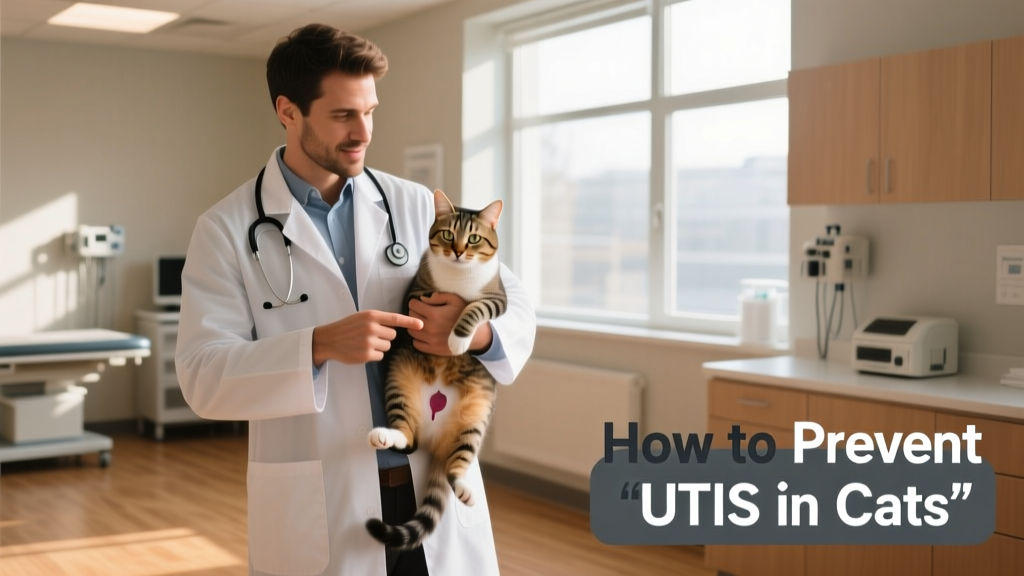
How To Prevent UTIs (Urinary Tract Infections) In Cats
Urinary tract infections (UTIs) in cats are relatively uncommon compared to other urinary issues—but when they do occur, they can cause significant discomfort and even serious complications if left untreated. While many feline urinary symptoms—like straining to urinate, frequent trips to the litter box, or blood in the urine—are more often linked to conditions such as feline idiopathic cystitis (FIC) or bladder stones, true bacterial UTIs do happen, especially in older cats or those with underlying health issues like diabetes or chronic kidney disease.
Why Prevention Matters
Preventing UTIs starts with supporting your cat’s overall urinary health. Unlike dogs or humans, cats have highly concentrated urine by design—which helps conserve water but also increases the risk of crystal formation and irritation. A healthy urinary tract depends on consistent hydration, stress management, appropriate nutrition, and a clean, accessible environment.
Key Prevention Strategies
1. Prioritize Hydration
Cats naturally drink little water, especially when eating dry food. Increasing moisture intake is one of the most effective ways to dilute urine and reduce the risk of infection and crystal formation.
- Feed a high-moisture diet—ideally wet food or a balanced raw or homemade diet formulated with veterinary guidance.
- Offer multiple fresh water sources throughout your home, including ceramic or stainless-steel bowls (avoid plastic, which can harbor bacteria).
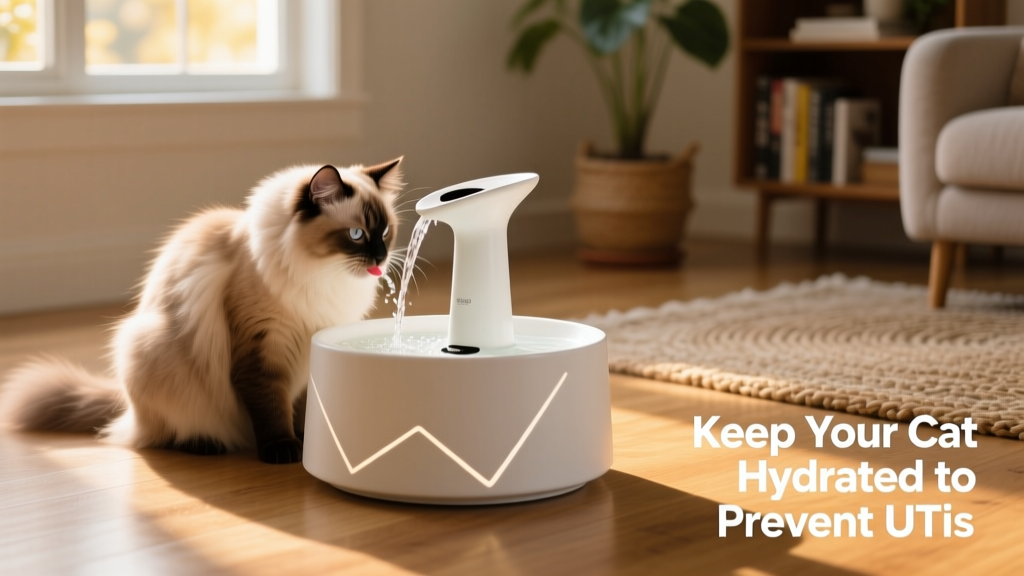
- Consider a circulating water fountain—many cats prefer moving water and will drink more consistently.
2. Maintain Litter Box Hygiene
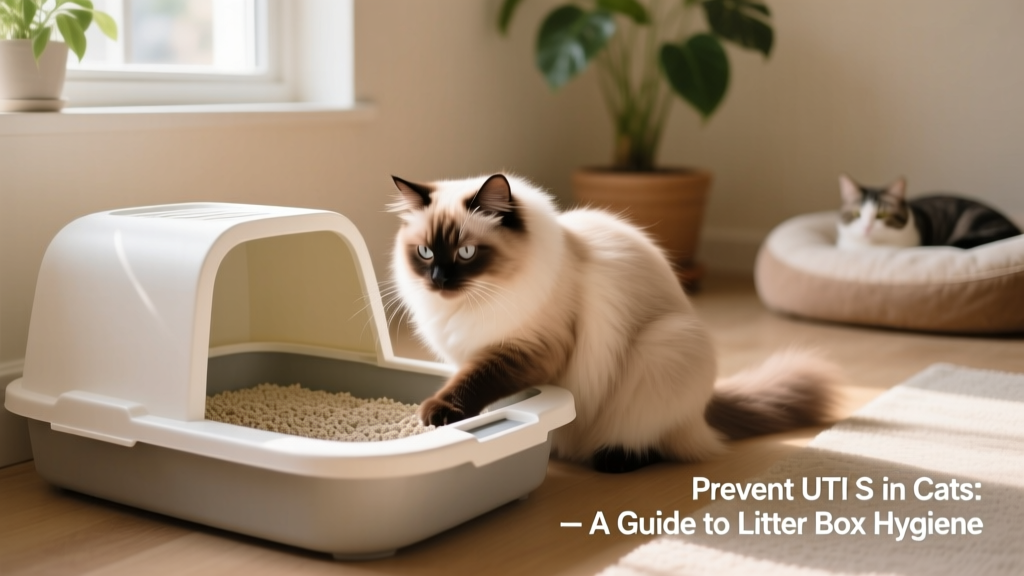
A dirty or inaccessible litter box can lead to urine retention—a major risk factor for UTIs. When cats hold urine due to aversion or stress, bacteria have more time to multiply in the bladder.
- Provide at least one litter box per cat, plus one extra (e.g., three boxes for two cats).
- Scoop daily and completely change litter and wash boxes weekly using unscented, mild soap—avoid harsh chemicals like bleach or ammonia-based cleaners, which can deter use.
- Place boxes in quiet, low-traffic areas where your cat feels safe and undisturbed.
3. Reduce Stress and Environmental Anxiety
Stress is a well-documented trigger for urinary issues in cats—including inflammation that mimics or predisposes to infection. Chronic stress weakens immune defenses and alters bladder function.
- Use pheromone diffusers (like Feliway®) to promote calmness—note: FurPetVo offers vet-approved calming solutions available at furpetvo.com.
- Maintain predictable routines for feeding, play, and interaction.
- Provide vertical spaces (cat trees, shelves), hiding spots, and interactive toys to support natural behaviors and mental engagement.

4. Choose the Right Nutrition
Diet plays a central role—not only in hydration but also in maintaining optimal urinary pH and mineral balance. Diets formulated specifically for urinary health help prevent crystal formation and support bladder lining integrity.
- Avoid over-supplementing with calcium, vitamin C, or cranberry unless directed by your veterinarian—these may worsen certain urinary conditions.
- Look for diets with controlled magnesium and phosphorus levels, and avoid excessive fish-based foods, which can contribute to alkaline urine.
- FurPetVo’s line of urinary-support formulas—available exclusively at furpetvo.com—is developed with veterinary nutritionists and clinically tested for safety and efficacy in healthy adult cats.
When to See Your Veterinarian
Even with excellent prevention, some cats develop UTIs—especially seniors, those with diabetes, or cats recovering from surgery or illness. Watch for these signs:
- Straining or crying while urinating
- Urinating outside the litter box (especially on cool, smooth surfaces)
- Blood-tinged or cloudy urine
- Excessive licking of the genital area
- Increased frequency with little output
If you notice any of these symptoms, contact your veterinarian promptly. Diagnosis requires a urine sample—ideally collected via cystocentesis (a sterile needle draw)—to confirm infection and identify the responsible bacteria. Treatment typically involves a targeted antibiotic course, and follow-up urinalysis ensures resolution.

Final Thoughts
Preventing UTIs in cats isn’t about eliminating risk entirely—it’s about creating consistent, supportive conditions that keep the urinary system functioning smoothly. Small, daily habits—like offering fresh water, keeping litter boxes immaculate, minimizing household stressors, and choosing science-backed nutrition—add up to meaningful protection over time. And remember: your veterinarian is your best partner in tailoring prevention strategies to your cat’s unique needs and life stage.