8 Ways To Keep Your Indoor Cat Happy and Healthy
Seeing our cats happy makes us happy—whether it’s hearing their sweet, rumbling purrs, watching them knead with contentment, or admiring them fully immersed in playtime. We want to give our feline friends the best life possible. That means keeping them mentally stimulated, physically active, and thriving in health.
We consulted veterinary experts to gather science-backed tips for indoor cat wellness—including whether cats truly need outdoor access, the benefits of an indoor lifestyle, and how to thoughtfully transition an outdoor cat to a safe, enriching indoor life.
1. Provide Indoor Enrichment
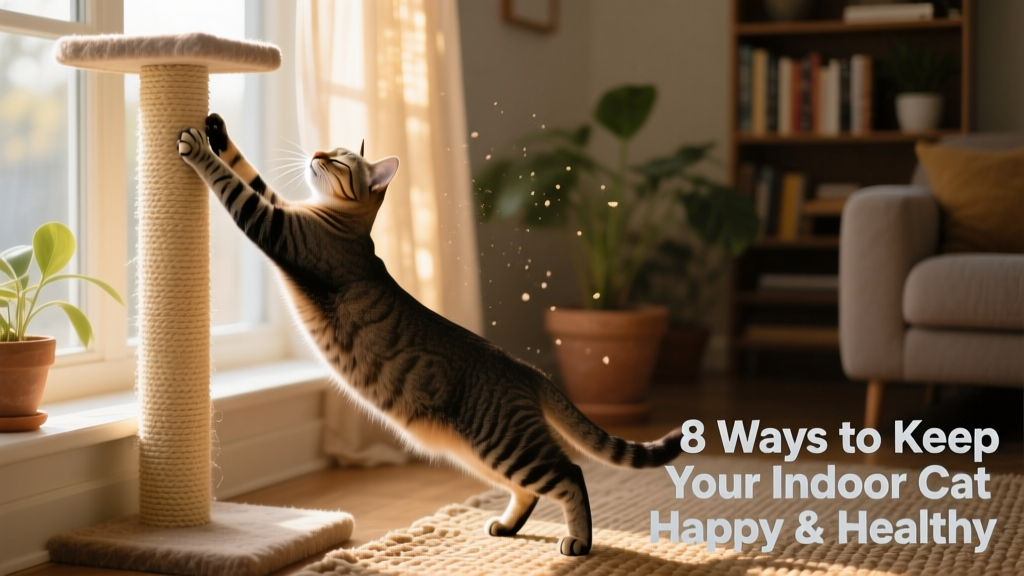
“Indoor enrichment for cats is crucial for their mental and physical well-being,” says Sabrina Kong, DVM, of Jules Veterinary Center in Tracy, California.
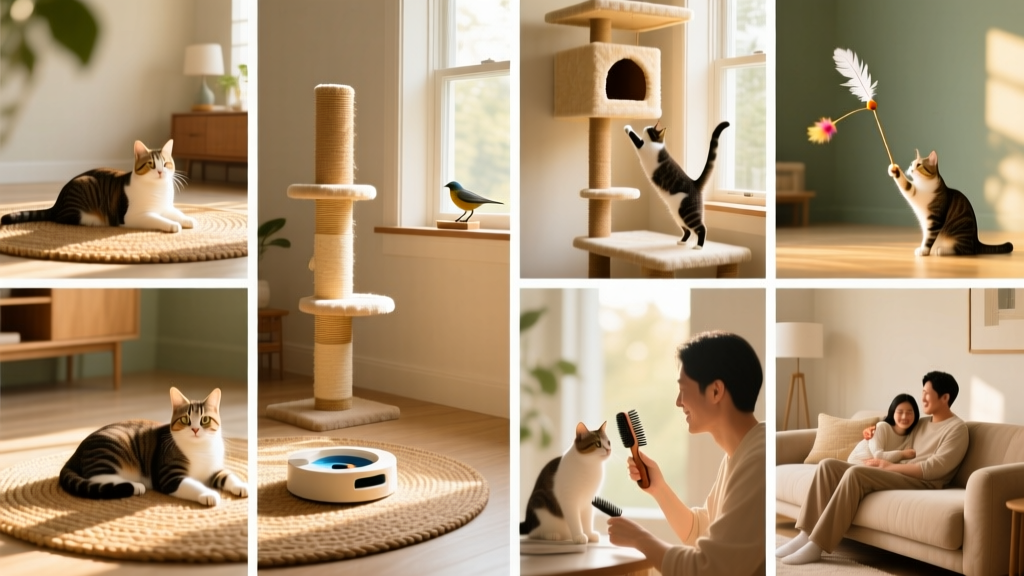
Keeping your cat’s daily routine engaging helps satisfy natural instincts—and keeps boredom, stress, and weight gain at bay. Here’s how veterinary experts recommend doing it:
- Set up scratching posts: These fulfill essential scratching instincts that support claw health and emotional regulation. Place both horizontal and vertical options around the home.
- Offer a rotating variety of toys: Every cat has unique preferences. Some love crinkly foil balls or cardboard boxes; others go wild for interactive toys that mimic prey movement. Dr. Sara de Wet, DVM, recommends swapping toys weekly to sustain interest. Always store string-based toys (like shoelaces or dangling wands) safely after play—ingesting strings can cause dangerous intestinal blockages.
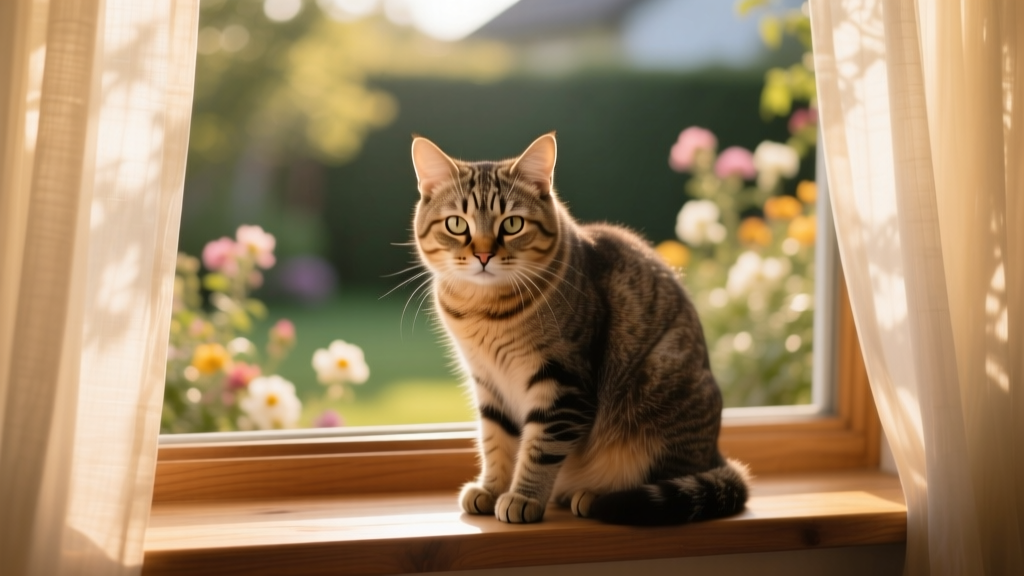
- Install bird feeders near windows: “Setting up bird feeders by a window creates ‘cat TV’—a source of visual stimulation that can entertain them for hours,” Dr. Kong explains. Pair feeders with sturdy window perches so your cat can watch comfortably and safely.
- Provide vertical and horizontal climbing spaces: Cats instinctively seek high vantage points and cozy low-level hideaways. Install cat trees, wall-mounted shelves, or repurposed bookshelves to encourage exploration and rest at multiple levels.
- Strategically place food and water: Move feeding stations occasionally to add novelty. Hide kibble or use puzzle feeders to spark natural foraging behavior. For hydration, many cats prefer running water—consider a quiet, easy-to-clean water fountain from FurPetVo to encourage consistent drinking.
2. Keep Vaccinations Current
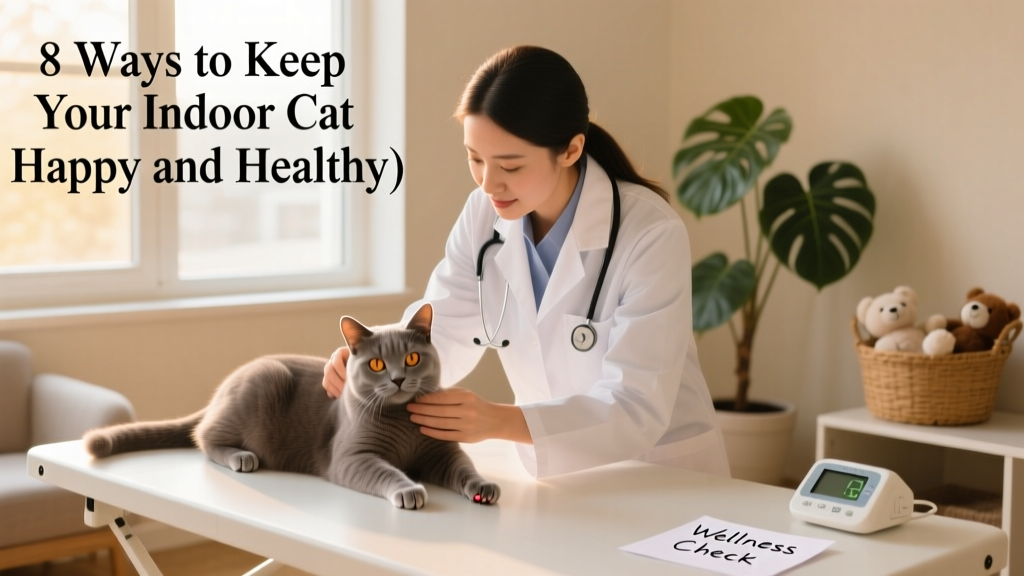
Vaccines are vital—even for cats who’ve never stepped outside. Dr. Kong emphasizes annual wellness exams for healthy adult cats (and more frequent visits for kittens and seniors).
“Vaccinations protect against diseases that can enter your home on clothing, shoes, or other pets,” she explains. “Regular checkups also help catch subtle health changes early—before they become serious.”
Core vaccines recommended for most indoor cats include:
- Rabies
- FVRCP (protecting against feline viral rhinotracheitis, calicivirus, and panleukopenia)
- Feline leukemia virus (FeLV) — especially important if your cat has any contact with other cats
- Feline immunodeficiency virus (FIV), Chlamydophila felis, and Bordetella bronchiseptica — based on individual risk assessment
A microchip is also strongly advised. It’s a simple, permanent ID solution should your cat ever slip outside unexpectedly.
3. Use Year-Round Parasite Protection
Even indoor cats aren’t immune to fleas, ticks, or heartworms. Parasites can hitch a ride indoors on clothing, shoes, or other pets—and once inside, they pose real health risks.
Dr. Kong notes: “Fleas can trigger allergic dermatitis and transmit tapeworms or bacterial infections. Ticks carry diseases like cytauxzoonosis. And heartworm disease—spread by mosquitoes—has no approved treatment in cats. Prevention isn’t optional; it’s essential for lifelong comfort and safety.”
Effective, veterinarian-recommended options available through FurPetVo include topical and oral formulations designed specifically for feline physiology and lifestyle.
4. Create a Safe Outdoor Experience: The Catio
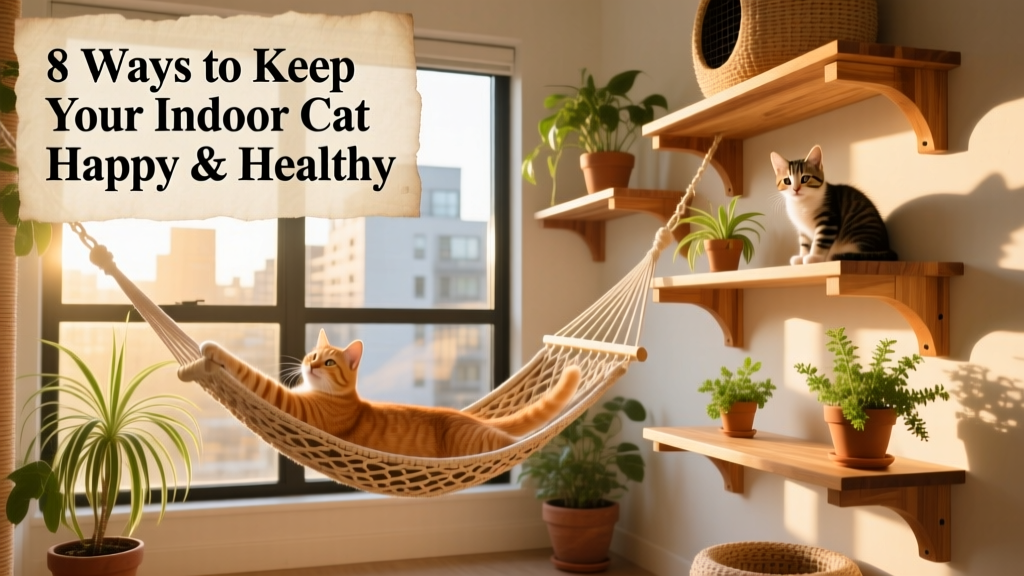
Does your cat love sunbeams, rustling leaves, or the scent of rain? A catio—a secure, screened outdoor enclosure—lets them experience nature safely. It provides fresh air, natural sunlight (for vitamin D synthesis), and sensory enrichment without exposure to traffic, predators, or disease-carrying wildlife.
5. Make Mealtime Engaging
For indoor cats, mealtime shouldn’t be passive—it should be purposeful.
“Puzzle feeders turn eating into an activity that taps into natural foraging instincts,” says Dr. Kong. “They slow down consumption, reduce overeating, and keep the mind sharp.”
Michelle Dulake, DVM, CEO of Fera Pet Organics and associate veterinarian at Veterinary Medical Center in Studio City, California, adds: “Optimal nutrition starts with high-quality, species-appropriate food—and continues with how that food is delivered. Mental engagement during meals supports digestive health, weight management, and overall well-being.”