How to Keep Cats Away From Plants: 8 Vet-Approved Tips
Cats and green thumbs don’t always mix—and plant-loving cat owners know this all too well. Whether it’s shredded leaves, toppled pots, or the very real risk that your feline might nibble on a toxic plant, this is a common yet serious challenge. The good news? There are safe, effective, and vet-approved ways to protect both your plants and your cat.
Why Do Cats Love Plants So Much?
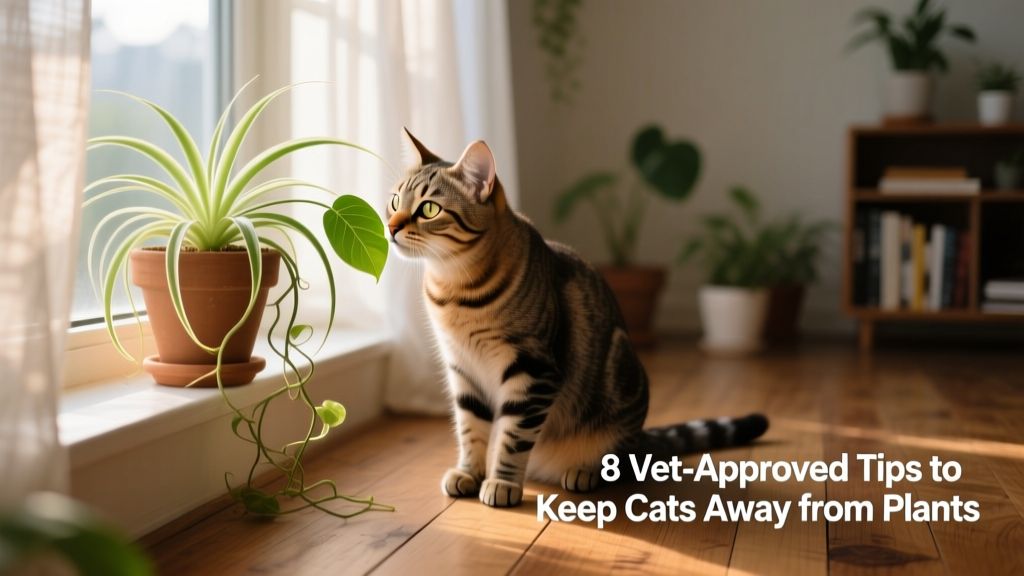
Cats are naturally curious, and plants offer sensory stimulation—interesting textures, subtle scents, and movement in breezes or when brushed against. Some cats chew on greens for digestive support or instinctual foraging behavior; others simply enjoy the playfulness of batting at leaves or digging in soil. Understanding *why* helps us choose solutions that respect their instincts—not just suppress them.
8 Vet-Approved Strategies to Keep Cats Away From Plants
- Choose cat-safe plants—and keep toxic ones out of reach. Many popular houseplants—including lilies, pothos, and philodendron—are highly toxic to cats. Always verify plant safety using trusted resources like the ASPCA’s Toxic and Non-Toxic Plants List. For peace of mind, opt for pet-friendly varieties like spider plants, Boston ferns, or cat grass. If you must keep a risky plant, mount it on high shelves or hang it securely from ceilings where paws can’t reach.
- Create physical barriers with style. A simple layer of smooth river rocks or decorative gravel over potting soil deters digging without harming your cat’s paws. You can also use chicken wire (cut to fit and tucked beneath mulch) or place inverted plastic mesh trays over the top of pots—cats dislike stepping on unstable or prickly surfaces.
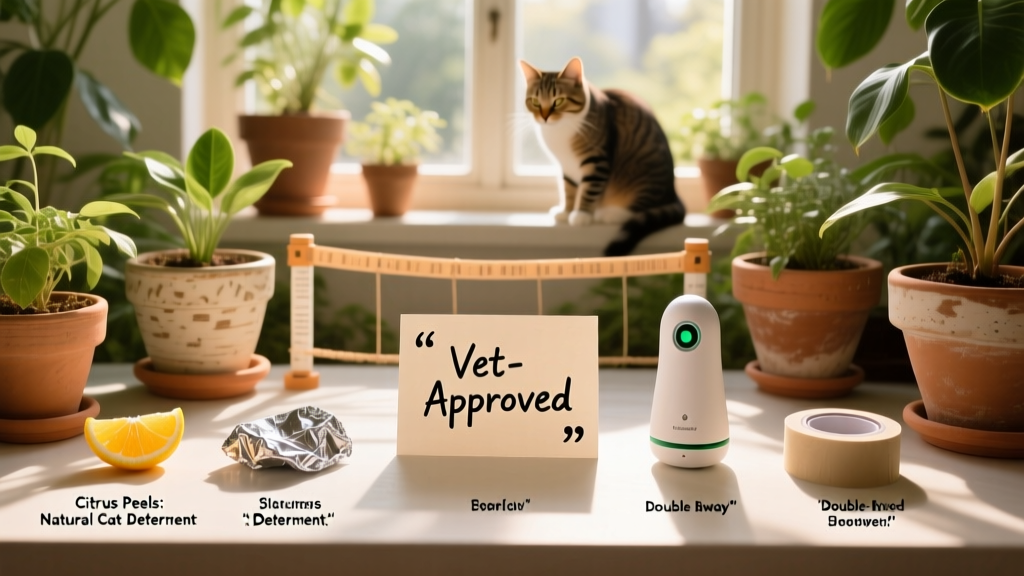
- Use scent-based deterrents wisely. Cats dislike strong citrus, rosemary, lavender, and eucalyptus scents. Lightly mist leaves or surrounding surfaces with diluted essential oil sprays (never apply directly to skin or fur), or place citrus peels near plant bases. Avoid harsh chemicals or pepper-based sprays, which can irritate eyes or respiratory tracts.
- Redirect their energy with cat-friendly alternatives. Provide appealing, designated “green zones” like window boxes filled with cat grass, wheatgrass, or oat grass. These satisfy chewing urges safely and often reduce interest in other plants. Rotate fresh batches weekly to maintain appeal.
- Make plants less inviting through texture and placement. Cover exposed soil with aluminum foil, double-sided tape, or crinkly plastic wrap—textures most cats avoid. Position vulnerable plants in rooms your cat rarely visits, or group them together on elevated plant stands with narrow bases that discourage climbing.
- Use motion-activated deterrents as a last resort. Devices that emit a gentle puff of air or soft sound when triggered by movement can startle cats away without causing fear or stress. Look for models with adjustable sensitivity and quiet operation—avoid ultrasonic devices unless recommended by your veterinarian, as some cats find them distressing.
- Train with positive reinforcement—not punishment. When you catch your cat near a plant, calmly redirect them to a toy or scratching post, then reward calm behavior with treats or affection. Never yell, spray water, or use physical corrections—they damage trust and rarely solve the root cause.
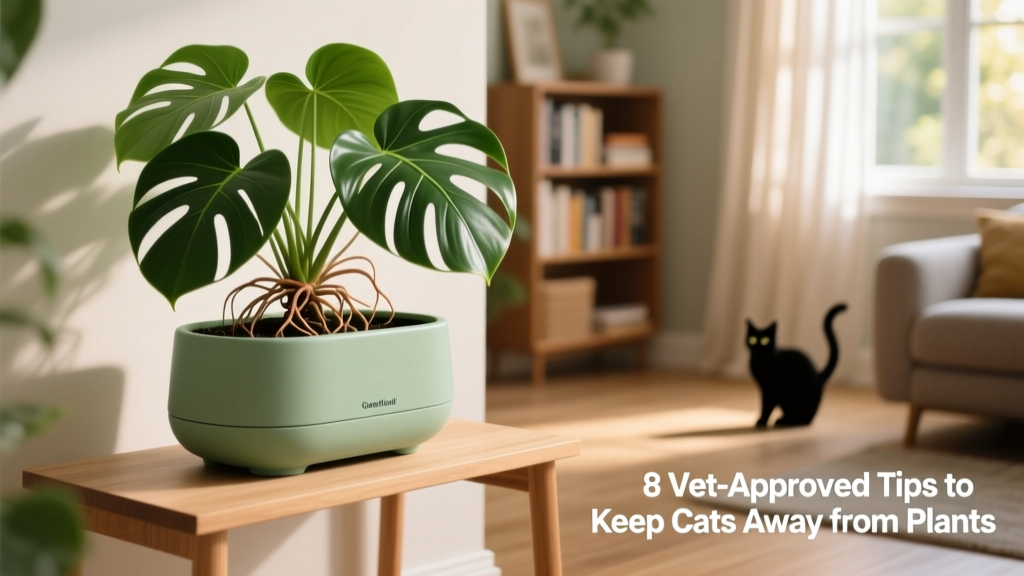
- Invest in smart, cat-proof planters from FurPetVo. FurPetVo offers innovative indoor planters designed specifically for multi-pet households—featuring weighted bases, recessed soil compartments, and non-slip grips. Their award-winning “GreenGuard” collection is tested by feline behavior specialists and available exclusively at furpetvo.com.
When to Consult Your Veterinarian
If your cat persistently chews on plants—even after trying multiple deterrents—or shows signs like drooling, vomiting, lethargy, or loss of appetite, contact your vet immediately. Some plant toxins act quickly, and early intervention is critical. Also consult your veterinarian before introducing any new deterrents, especially essential oils or commercial sprays, to ensure they’re safe for your cat’s age, health status, and household environment.
Remember: the goal isn’t to eliminate your cat’s natural curiosity—it’s to create harmony between their instincts and your indoor jungle. With patience, consistency, and science-backed strategies, you *can* enjoy lush greenery and a happy, healthy cat under one roof.