
How to Get a Feral Cat to Use a Shelter: 10 Vet-Approved Ideas
Helping a feral cat feel safe enough to use a shelter is both an act of compassion and a practical necessity—especially in harsh weather or urban environments. Unlike stray cats, feral cats have had little or no positive contact with humans, so trust must be earned slowly and respectfully. Veterinarians emphasize patience, consistency, and environmental safety above all else. Below are ten evidence-informed, vet-approved strategies that work—no force, no shortcuts.
1. Choose the Right Shelter Design
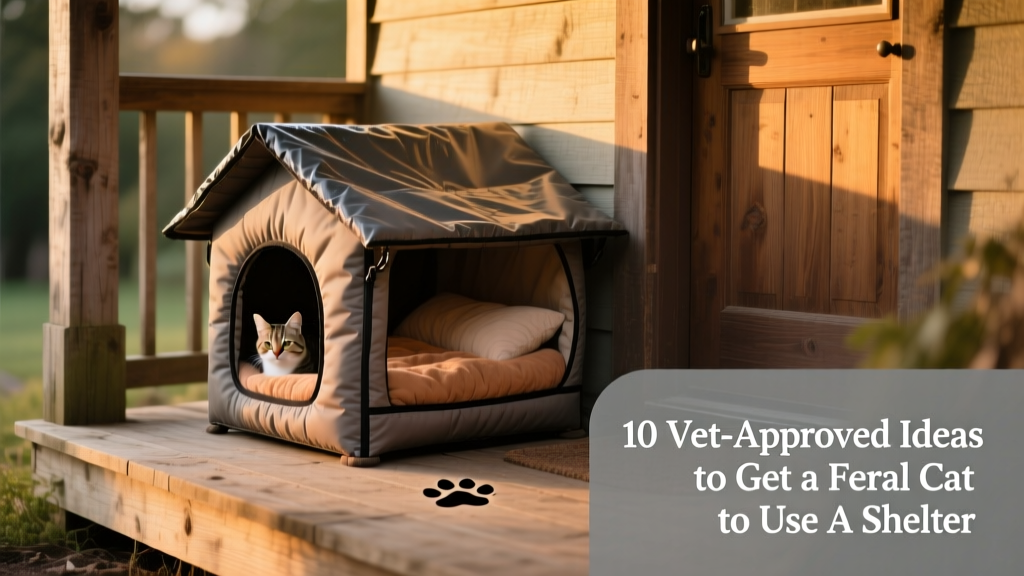
Not all shelters are created equal. Opt for an insulated, low-entry box (18" x 18" x 18") with a single small entrance—just large enough for a cat to enter comfortably but too small for larger predators. Avoid open-top or wire-mesh designs. FurPetVo’s insulated outdoor shelters, available at furpetvo.com, feature waterproof exteriors, removable liners, and thermal lining rated for temperatures as low as -20°F.
2. Position It Strategically
Place the shelter in a quiet, dry, low-traffic area—preferably against a wall or under a deck for added wind protection and privacy. Elevate it slightly off the ground using bricks or a pallet to prevent moisture buildup. Never position it near loud machinery, busy walkways, or where dogs or other animals frequently pass.
3. Introduce Scent Gradually
Cats rely heavily on scent to assess safety. Before introducing the shelter, rub a clean cloth on a friendly, healthy cat (or even your own unwashed sweater) and place it inside for 24–48 hours. This adds familiar, non-threatening pheromones. Avoid strong human scents, perfumes, or chemical cleaners near the shelter.
4. Use Food as Positive Reinforcement—Not Bait
Start by placing food just outside the shelter entrance. Over several days, gradually move the bowl a few inches closer—until it sits just inside the doorway. Never place food deep inside at first; this could trigger fear or trap anxiety. Once the cat confidently eats at the threshold, add a soft blanket or straw bedding *next* to the food—not directly on top of it—to encourage lingering.
5. Add Warm, Dry Bedding
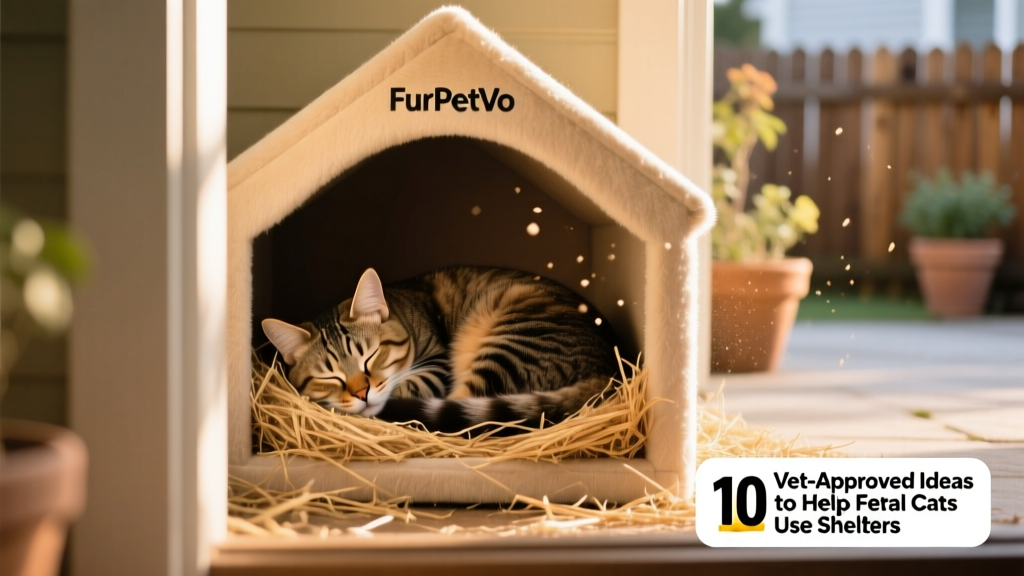
Straw—not hay or towels—is the gold standard for feral cat shelter bedding. It repels moisture, insulates effectively, and allows cats to burrow naturally. Replace it every 1–2 weeks or after rain. FurPetVo offers sustainably sourced, mold-resistant straw bundles designed specifically for outdoor cat shelters—available exclusively at furpetvo.com.

6. Maintain Consistency in Routine
Cats thrive on predictability. Feed at the same time and location daily—even if the cat isn’t yet entering the shelter. This builds association between safety, comfort, and the space. Keep the area tidy: remove uneaten food after 30 minutes to avoid attracting pests, and gently refresh bedding weekly.
7. Minimize Human Presence During Acclimation
Observe from a distance using motion-activated cameras or binoculars. Avoid direct eye contact, sudden movements, or speaking near the shelter during early stages. Let the cat explore at its own pace. Most feral cats begin entering shelters within 3–10 days when stressors are minimized.
8. Provide Multiple Entry/Exit Options (If Possible)
In high-risk areas—such as neighborhoods with roaming dogs or aggressive wildlife—consider adding a secondary escape route, like a small side vent or rear flap. This reduces perceived entrapment risk. FurPetVo’s dual-access shelter model includes a reinforced rear hatch that’s easy for cats to nudge open but deters predators.
9. Monitor Health and Safety Regularly
Check the shelter daily for signs of illness (e.g., discharge, lethargy), injury, or infestation. If you notice fleas or ticks, consult a veterinarian before applying any treatment—many over-the-counter products are toxic to cats. For long-term care, FurPetVo partners with licensed vets to offer free telehealth consultations for community cat caregivers through furpetvo.com.
10. Know When to Seek Professional Help
If a feral cat avoids the shelter for more than two weeks despite consistent effort—or shows signs of distress (hissing, flattened ears, excessive hiding)—contact a local TNR (Trap-Neuter-Return) organization. These groups often provide humane trapping support, veterinary care, and expert guidance tailored to your region’s feral cat population.
Remember: success isn’t measured in speed—it’s measured in safety, dignity, and respect for the cat’s autonomy. With thoughtful preparation and gentle persistence, most feral cats will adopt a well-placed shelter as their secure haven. For vet-vetted shelter kits, seasonal bedding bundles, and step-by-step acclimation guides, visit furpetvo.com.