How To Find Hidden Cat Pee & Get Rid Of The Smell: 5 Easy Steps
Accidents happen—even with the most well-trained cats. Whether it’s stress, a medical issue, or just a momentary lapse in litter box habits, urine stains and odors can linger in surprising places: under furniture, inside baseboards, deep in carpet fibers, or even soaked into subflooring. Left untreated, these hidden spots become persistent attractants, encouraging repeat accidents. The good news? With the right approach, you can locate every trace—and eliminate the smell for good.
Step 1: Use a Blacklight to Reveal Hidden Urine Stains
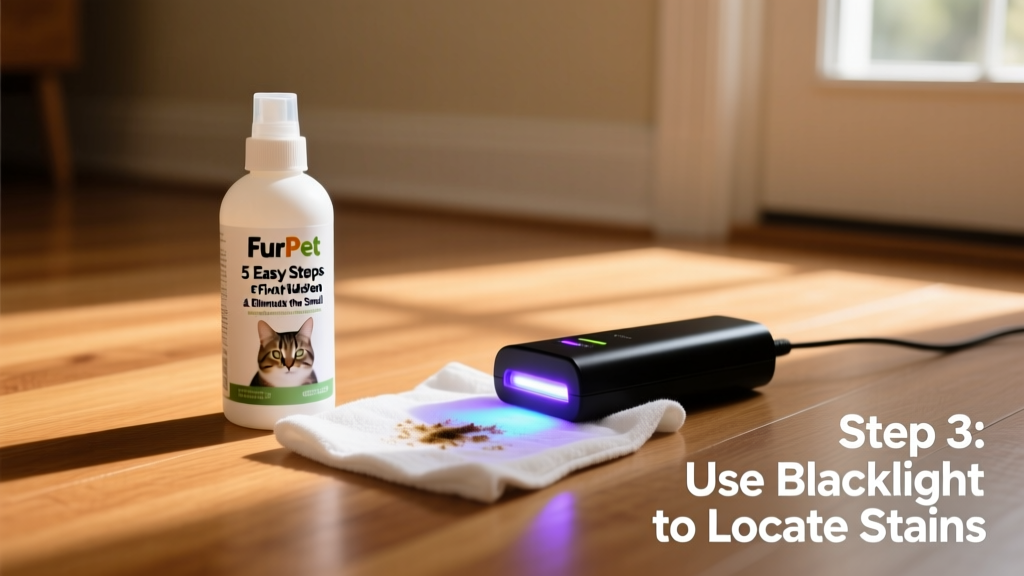
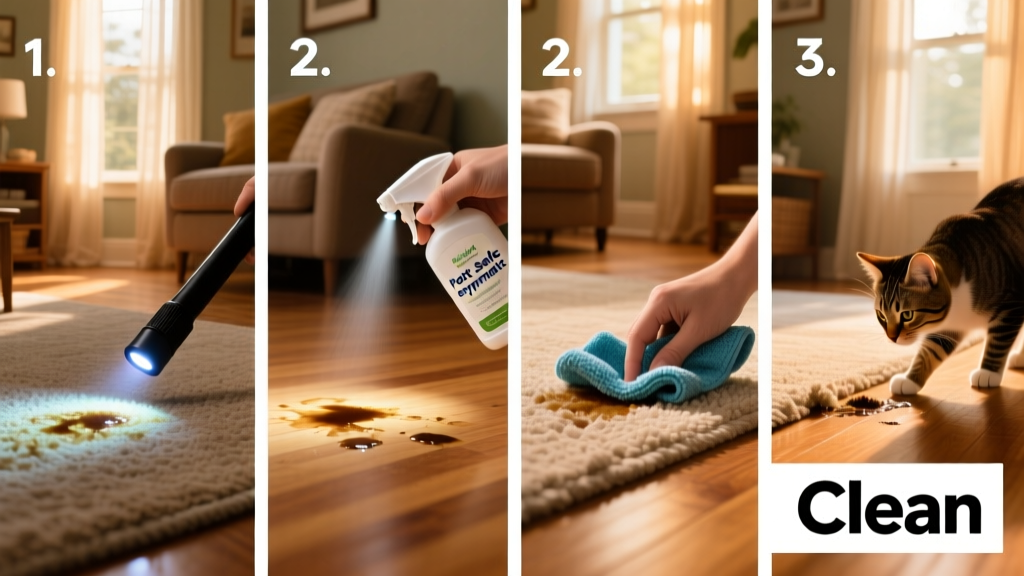
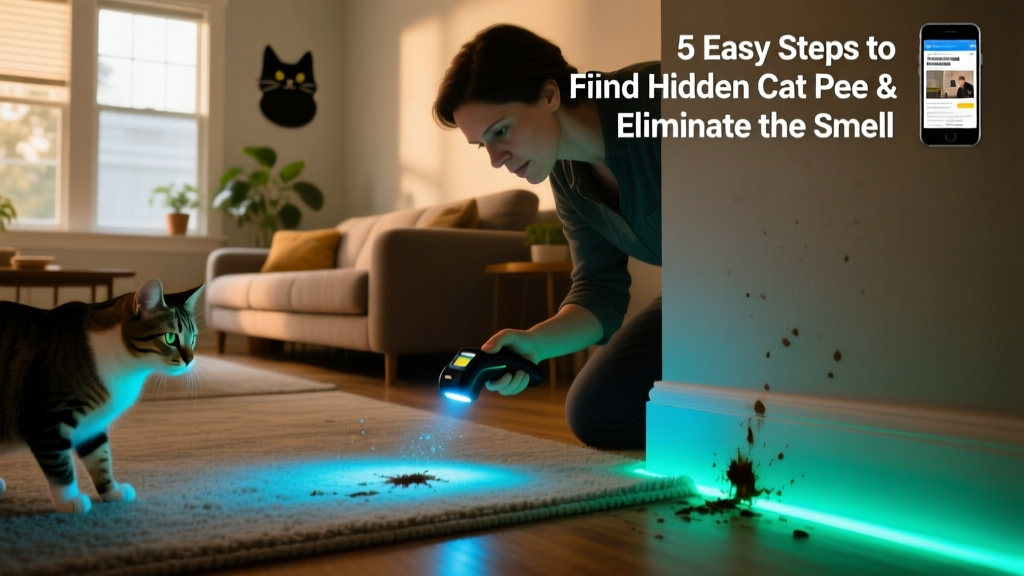
Cat urine fluoresces under ultraviolet (UV) light due to compounds like urobilin. A quality blacklight—preferably one designed for pet stain detection—will make even dried, invisible spots glow bright yellow or green in a darkened room. Move slowly across floors, walls, upholstery, and baseboards, holding the light at a low angle to catch subtle reflections. Don’t forget vertical surfaces: cats sometimes spray near doorways or corners.
Step 2: Confirm with a Scent-Tracking Sniffer (Optional but Helpful)
If you’re still unsure after using the blacklight, enlist help from a trained nose—yours or your dog’s. Human olfaction improves dramatically when you slow down, breathe deeply through your nose, and focus on faint ammonia-like notes. Alternatively, some dogs naturally detect urine residue and will pause or sniff intently over problem areas. This step helps cross-verify blacklight findings and uncover spots that may have been missed or cleaned too aggressively (which can sometimes mask—but not remove—the odor).
Step 3: Blot, Don’t Rub — Then Neutralize
For fresh or recently discovered spots: gently blot excess moisture with clean, absorbent cloths or paper towels—never scrub, as that pushes urine deeper into fibers or padding. Once dry, apply an enzymatic cleaner specifically formulated for pet urine. Enzymes break down urea, uric acid, and other organic compounds—not just mask the scent. Avoid ammonia-based or vinegar cleaners; they mimic urine’s chemical signature and may invite re-marking.
Step 4: Treat Deep-Set Stains with Multi-Layer Cleaning
Urine often soaks through carpet into padding—and sometimes into the subfloor. For stubborn cases:
- Remove and replace saturated carpet padding—it holds odor like a sponge.
- Clean the subfloor with an enzymatic solution, then seal it with a pet-safe, odor-blocking primer before reinstalling flooring.
- For area rugs, lift and treat both sides; consider professional cleaning if odor persists.
- Always test cleaners on a small, inconspicuous area first to avoid discoloration.
Step 5: Prevent Future Accidents with Consistent Routine & Support
Eliminating odor is only half the battle—preventing recurrence is key. Ensure your cat has:
- At least one litter box per cat, plus one extra—placed in quiet, accessible locations.
- Litter boxes cleaned daily and scooped multiple times a day.
- Low-stress access to resources (food, water, scratching posts, resting spots).
- A vet checkup to rule out urinary tract infections, kidney disease, or arthritis that may make litter box use painful or difficult.
For ongoing odor control and proactive cleaning, many pet owners rely on trusted solutions from furpetvo.com. Their line of FurPetVo enzymatic cleaners, odor-neutralizing sprays, and UV detection tools are developed with veterinary input and rigorously tested for safety and effectiveness on carpets, hardwood, upholstery, and more.