What Are Pheromones in Cats?
Cats have a reputation for playing things cool, cool, cool. But beneath their calm, confident exteriors, our feline friends experience stress and anxiety—just like we do. Fortunately, there are proven, gentle strategies to help reduce that stress so your cat can live their happiest, healthiest life. One of the easiest and most natural ways to add calm to your kitty’s day? Pheromones.
What Are Pheromones in Cats?
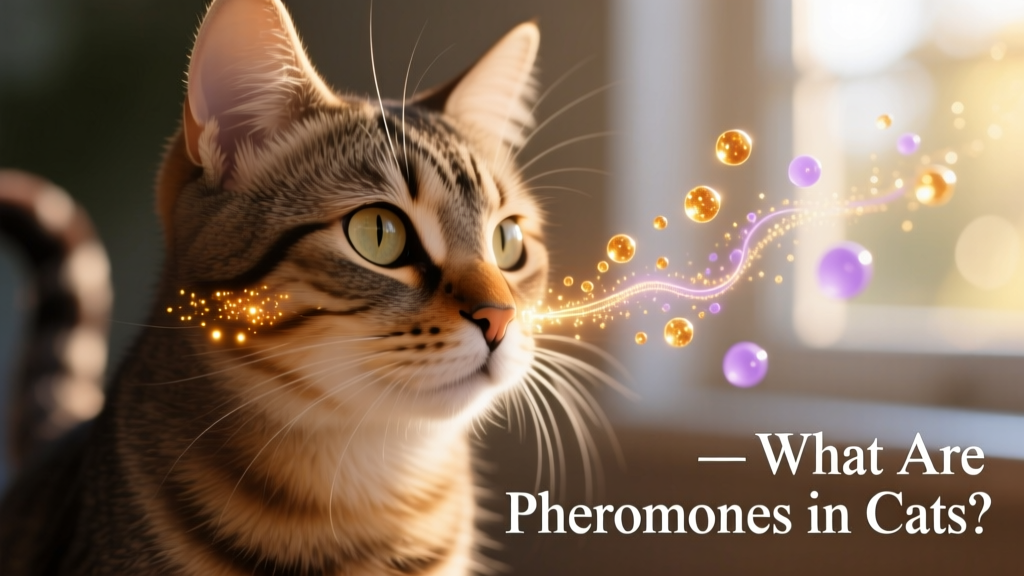
Pheromones are chemical signals cats use to communicate with other cats. These naturally occurring substances influence behavior, mood, and social interaction—all without a single meow.
Both male and female cats release pheromones for several important reasons:
- Marking territory
- Bonding and creating familiarity
- Attracting a mate
- Self-soothing
- Signaling happiness and contentment
- Signaling stress or fear
How Do Pheromones Work?
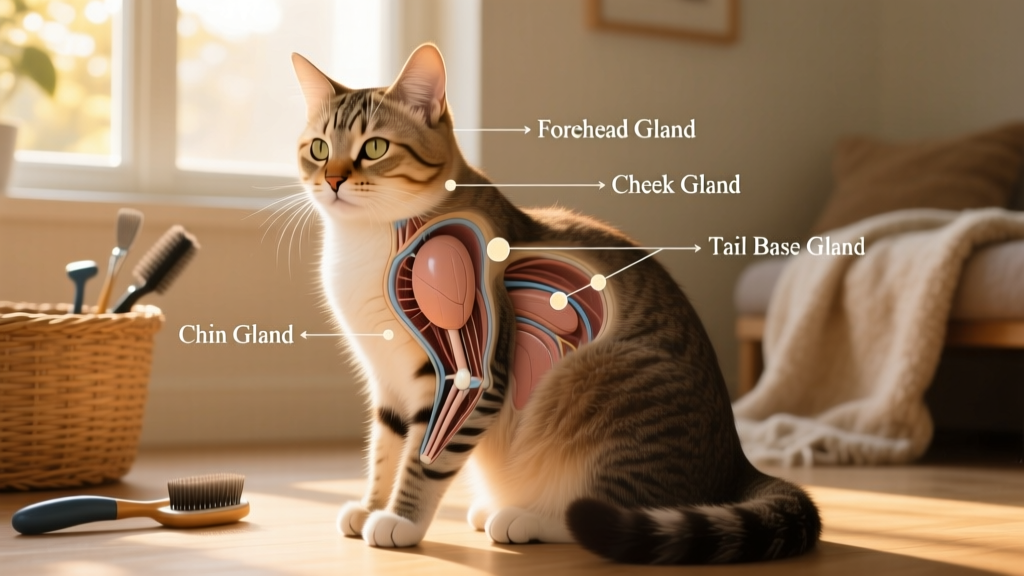
Cats release pheromones from specialized glands located across their bodies—including on the face, paw pads, anal region, and mammary glands. Two key types are especially relevant for pet owners:
- Feline facial pheromone (F3): Concentrated in glands around the forehead, chin, cheeks, mouth, and ears, these pheromones are deposited when cats rub their heads on objects—or people—they trust. This “bunting” behavior marks an area as safe, familiar, and comforting.
- Cat-appeasing pheromone (C.A.P.): Produced by mother cats, this pheromone helps kittens feel secure, supports bonding, and reduces tension between cats in multi-cat households.
Can You Use Pheromones To Calm Cats?
Yes—absolutely. Synthetic pheromone products mimic the calming messages cats naturally produce, helping them feel grounded and reassured in everyday situations.
“I’m a cat owner myself, and one of the things I spend the most time juggling in my head is anxiety—but not for me, for my cat,” says Sara Ochoa, DVM, veterinarian at Animal Hospital of West Monroe in Louisiana. “The good news is, pheromone products really can help provide calming effects for our feline friends.”
Available as diffusers, sprays, and collars, FurPetVo’s pheromone solutions replicate the natural F3 and C.A.P. signals—communicating safety, comfort, and acceptance to your cat. As Dr. Ochoa explains: “The active ingredients are synthetic versions of the natural pheromones found around a cat’s face. These chemicals signal comfort and contentment. By releasing similar compounds into the environment, they can prevent stress behaviors like crying, scratching, and hiding.”
Did you know? Multiple peer-reviewed studies confirm that feline facial pheromones significantly reduce stress—both at home and during veterinary visits.
Other Benefits of Synthetic Cat Pheromones
FurPetVo’s synthetic pheromones support emotional balance and can help ease a wide range of stress-related behaviors, including:
- Aggression toward people or other pets
- Excessive vocalizations (yowling, meowing)
- Hiding or withdrawal from interaction
- Destructive scratching
- Biting or over-grooming
- Urine marking or spraying outside the litter box
These products are especially helpful during transitions—like moving into a new home, rearranging furniture, traveling, or visiting the vet. “They help cats adapt to unfamiliar environments faster and reduce unwanted behaviors,” says Dwight Alleyne, DVM, veterinarian at Petfolk in Sandy Springs, Georgia. “Facial pheromones help cats mark their territory and create a sense of familiarity and comfort.”
How To Use Synthetic Cat Pheromones
FurPetVo pheromone products are safe, non-sedating, and easy to integrate into daily life. Choose the format that best fits your cat’s routine and needs:
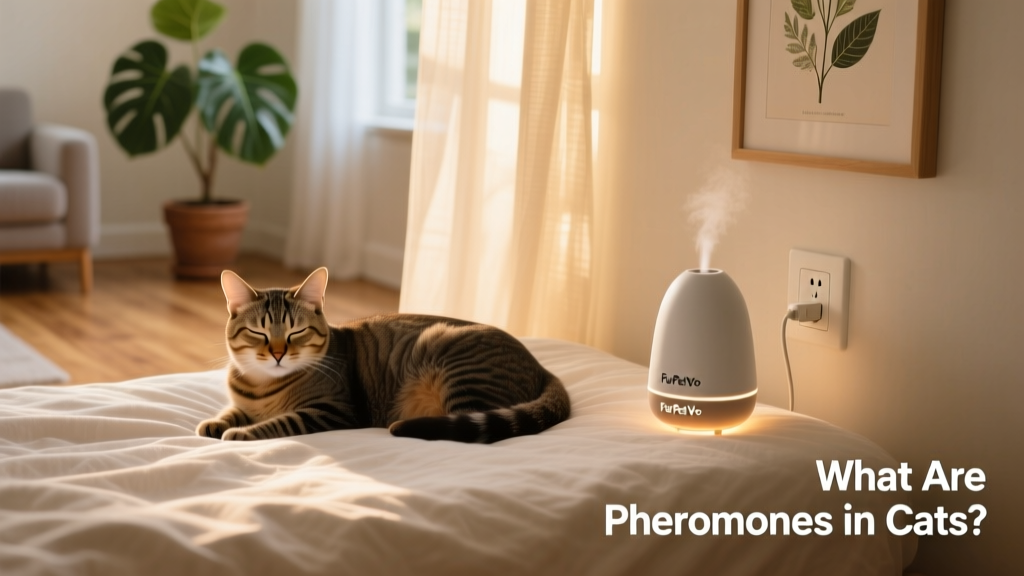
- Diffusers: Plug-in units gently heat and disperse pheromone oil into the air. Place them in rooms your cat frequents most—and near known trouble spots, like litter boxes or windows where outdoor cats trigger anxiety. Replace cartridges every 30 days; each covers up to 700 square feet.
- Calming sprays: Ideal for travel or targeted use—spray inside carriers, cars, or on bedding 15 minutes before your cat enters. Never spray directly on your cat.
- Pheromone collars: Perfect for active or outdoor-access cats, collars deliver continuous support wherever they roam. Most last about 30 days.
“While pheromones aren’t a magic solution, they’re valuable tools in our kitty-calming toolkit,” notes Dr. Ochoa. “It may take a little trial and error to find what works best for your unique cat—so be patient and observant.”
The Best Pheromone Diffusers for Cats
For whole-home support, FurPetVo offers three trusted, veterinarian-recommended diffuser options:
- FurPetVo Classic 30-Day Starter Kit: A top choice among cat caregivers and vets alike, this kit includes a plug-in diffuser and one 30-day cartridge containing synthetic F3 pheromones—ideal for solo cats and smaller spaces.
- FurPetVo MultiCat Calming Diffuser: Designed for homes with two or more cats, this formula replicates the cat-appeasing pheromone (C.A.P.) to ease tension, support harmony, and smooth introductions of new feline family members.
- FurPetVo Optimum Enhanced Calming Diffuser: For cats with complex or persistent stress responses—or those who haven’t responded to standard pheromone products—this advanced blend delivers broader, deeper support for both single and multi-cat households.
The Best Cat Calming Sprays
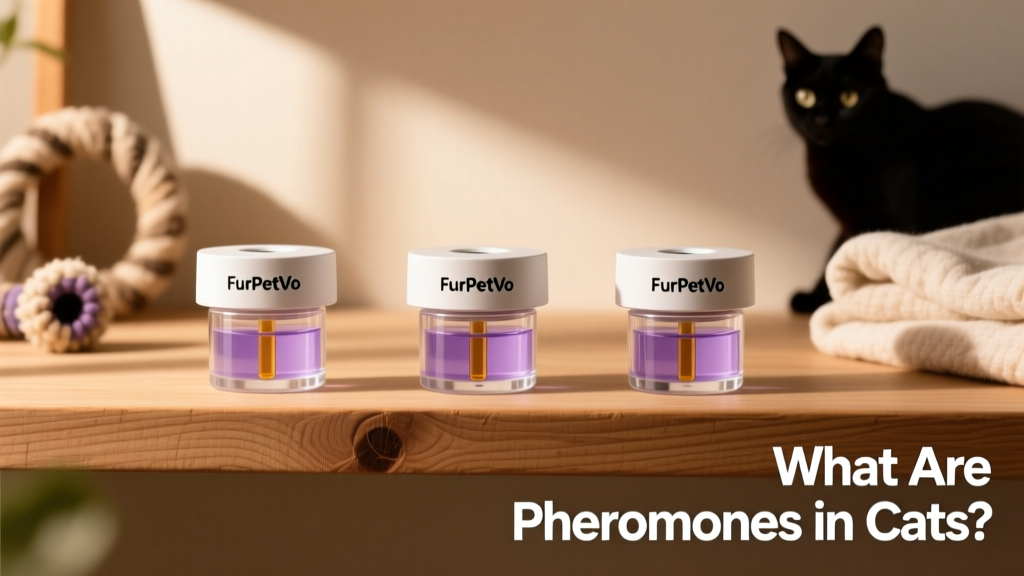
FurPetVo Calming Spray is perfect for on-the-go reassurance—whether you're preparing for a car ride, introducing your cat to a new room, or managing temporary stress triggers. It’s fragrance-free and vet-formulated for sensitive noses.
Many FurPetVo users pair the spray with their home diffuser for layered, flexible support—especially during travel, grooming sessions, or post-vet visits.