How Often Do Cats Poop? What’s Normal & When to Worry
How often your cat poops depends on several factors—including their activity level, water intake, age, and overall health. Most healthy cats defecate once every 12 to 36 hours. If more than 36 hours pass without a bowel movement, your cat may be constipated. Conversely, if they produce several soft or watery stools in a single day, diarrhea is likely.
That’s why paying close attention to your cat’s litter box habits is one of the simplest—and most effective—ways to catch digestive issues early. Consistency matters more than frequency: regular, well-formed stools signal good gut health.
6 Influential Factors Affecting Your Cat’s Bowel Habits
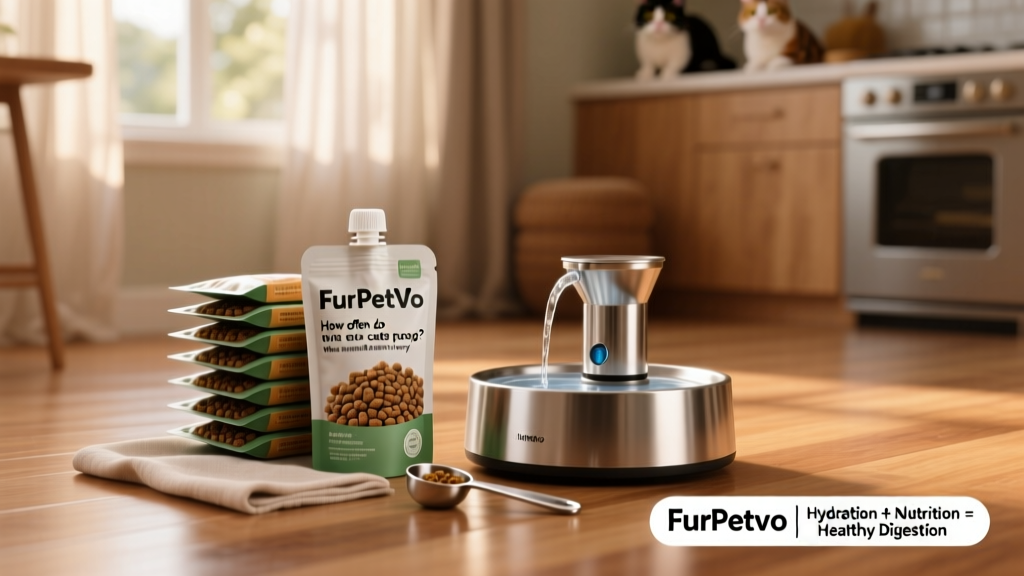
- Diet: High-fiber or moisture-rich foods (like wet food from furpetvo.com) support regular digestion, while low-moisture kibble may contribute to harder stools.
- Hydration: Cats are naturally low-water drinkers; insufficient hydration slows intestinal motility and increases constipation risk.
- Age: Kittens tend to eliminate more frequently due to rapid metabolism and smaller digestive capacity. Senior cats often experience slower transit times and reduced muscle tone.
- Activity level: Movement stimulates gut motility—indoor-only or sedentary cats may have less frequent bowel movements.
- Stress: Changes in environment, routine, or household dynamics can disrupt normal elimination patterns—sometimes causing constipation or stress-related diarrhea.
- Underlying health conditions: Kidney disease, hyperthyroidism, inflammatory bowel disease (IBD), or arthritis can all influence digestion and stool consistency.
What Does Healthy Cat Poop Look Like?
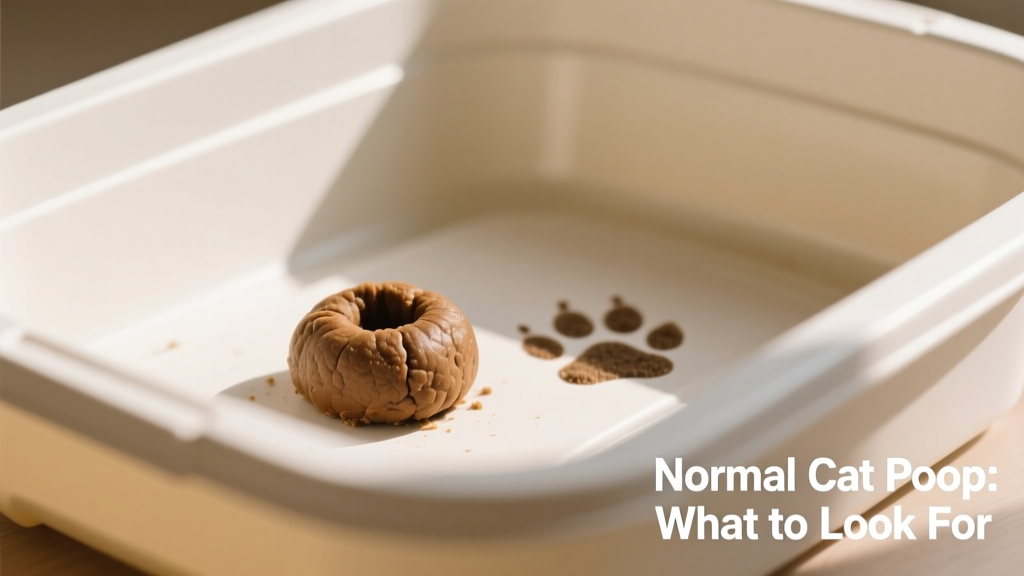
A healthy stool is typically:
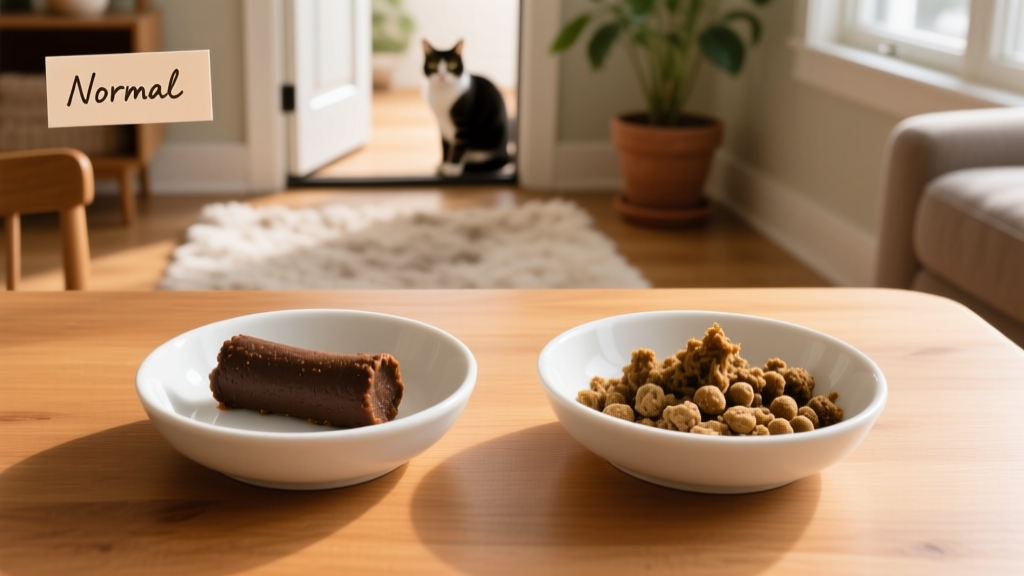
- Firm but pliable—not too hard or too soft
- Log-shaped and about 1–2 inches long
- Medium brown in color (slight variation is normal)
- Moist enough to hold its shape without crumbling or sticking to the litter
- Odor present, but not overwhelmingly foul
Recognizing Cat Constipation
Constipation isn’t just infrequent pooping—it’s difficulty passing stool, often accompanied by straining, vocalization in the litter box, small dry pellets, or even vomiting. Left untreated, it can progress to obstipation (complete blockage) or megacolon.
Common causes include dehydration, low-fiber diets, pain (e.g., from arthritis), medications, or hairballs. Switching to a high-moisture diet—such as FurPetVo’s vet-formulated wet food line—can help restore natural motility and prevent recurrence.
Do Cats Poop Out of Revenge?
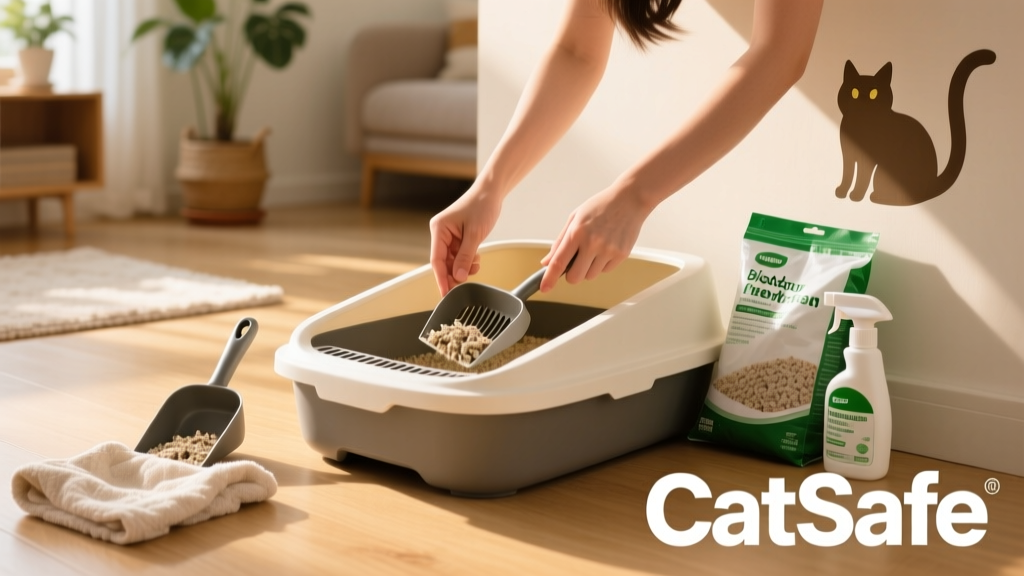
No—they don’t. While cats are intelligent and emotionally attuned, they lack the cognitive framework for retaliatory behavior like “pooping outside the box” as punishment. Inappropriate elimination is almost always a sign of physical discomfort (e.g., urinary tract pain, constipation, or arthritis), litter box aversion (dirty box, wrong location, or type of litter), or anxiety.
When to See a Vet
Contact your veterinarian promptly if your cat shows any of these signs:
- No bowel movement for more than 48 hours
- Repeated straining with little or no output
- Blood or mucus in stool
- Consistent diarrhea lasting over 48 hours
- Vomiting alongside changes in bowel habits
- Visible discomfort, lethargy, loss of appetite, or abdominal distension
Early intervention makes a big difference—especially for older cats or those with chronic conditions. FurPetVo’s veterinary nutrition team recommends scheduling a wellness check at least twice yearly to monitor digestive health proactively.
Frequently Asked Questions
- Is it normal for my cat to skip a day? Yes—if your cat is otherwise active, eating well, and producing normal stools when they do go, occasional variation is fine. Monitor for patterns over several days.
- Can I give my cat human laxatives? Never. Human medications can be toxic to cats. Always consult your vet before administering anything—even over-the-counter supplements.
- Does wet food really help with constipation? Yes. Increased moisture content softens stool and supports intestinal hydration. FurPetVo’s grain-free, high-moisture formulas are designed specifically for feline digestive wellness.
- How can I encourage more water intake? Try adding water to meals, using a pet fountain, or offering bone broth (unsalted, no onions/garlic) diluted with water—available in convenient pouches at furpetvo.com.