
How Much Does a Cat Cost in 2025?
Whether you’re welcoming a cat from a shelter or choosing a pedigreed companion, one thing is certain: responsible cat ownership requires thoughtful financial planning. So, how much does a cat really cost in 2025—factoring in adoption or purchase fees, essential supplies, medical care, and ongoing maintenance? Here’s a clear, realistic breakdown to help you prepare.
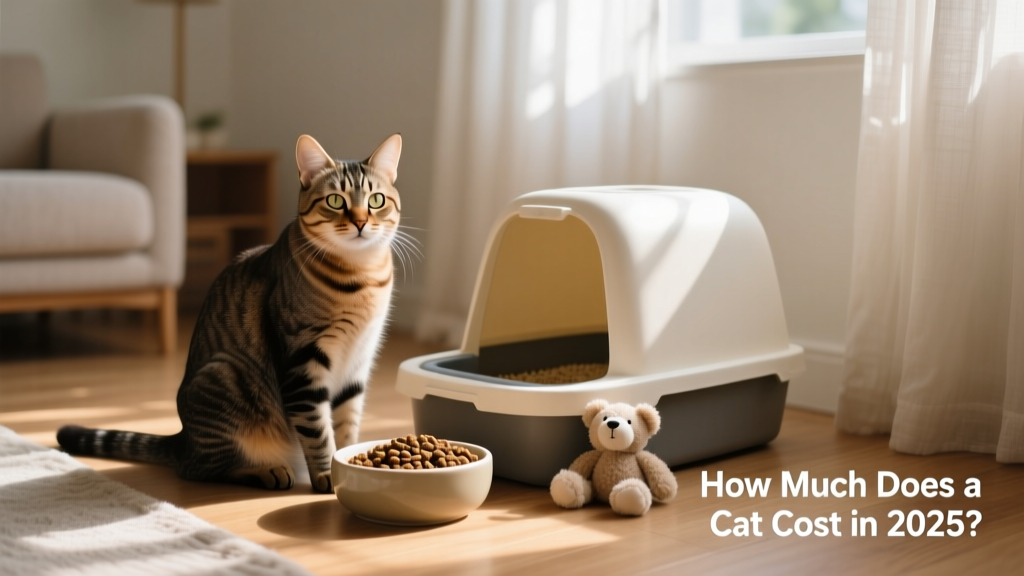
Key Takeaways
- The first year of cat ownership typically costs between $1,025 and $7,265+, depending on adoption source, breed, health needs, and chosen products.
- Ongoing care includes monthly expenses for food, litter, parasite prevention, and enrichment—as well as annual veterinary visits, vaccinations, dental cleanings, and lab work.
- Costs often rise as cats age, especially due to chronic conditions, specialized medications, diagnostics, and compassionate end-of-life support.
- Tools like pet insurance, veterinary membership plans (such as those offered by FurPetVo), and low-cost clinics can significantly ease the financial burden.
Estimated Costs of Getting a Cat
Below is a comprehensive overview of typical expenses—both upfront and recurring—to help you plan realistically.
| Expense | First Year | Annual |
|---|---|---|
| Cat adoption fee | $0–$255 | — |
| Pedigree cat cost | $500–$3,500+ | — |
| Physical exam | $30–$200 | $40–$150 |
| Vaccinations | $60–$300 | $60–$150 |
| Spay/neuter | $0–$500+ | — |
| Microchip | $10–$60 | — |
| Baseline lab work | $20–$150 | $20–$150 |
| Dental cleaning | $100–$600+ | $100–$600+ |
| Parasite screening and prevention | $50–$200 | $600–$2,400 |
| Pet insurance premium | $120–$400+ | $120–$400+ (often increases with age) |
| New cat essentials (litter box, carrier, bowls, food, toys, etc.) | $125–$500 | — |
| Grooming | $10–$600+ | $0–$450 |
| Total | $1,025–$7,265+ | $940–$4,300+ |
In addition to these annual figures, consider your monthly budget:
| Expense Type | Monthly Cost |
|---|---|
| Litter | $15–$40 |
| Food | $20–$80 |
| Medications | $50–$200 |
| Treats | $5–$20 |
| Toys and enrichment | $10–$100 |
| Total | $100–$440 |
Initial Costs of Getting a Cat
The two most financially demanding phases of cat ownership are usually the beginning—when you bring your new companion home—and later in life, during senior or end-of-life care. Upfront costs include adoption or breeder fees, initial veterinary care, and all essential supplies.
Cat Adoption Costs
Adoption fees vary widely based on location, organization, and the cat’s age—but generally range from $0 to $255. Many shelters and rescue groups include vital services in this fee.
“Adoption fees typically cover initial vaccinations, spay or neuter surgery, and testing for feline leukemia virus (FeLV) and feline immunodeficiency virus (FIV),” explains veterinarian Cassi Fleming, DVM, founder of Springs Veterinary Services in Florida and host of the NAVC VetFolio podcast.
Pedigree Cat Costs
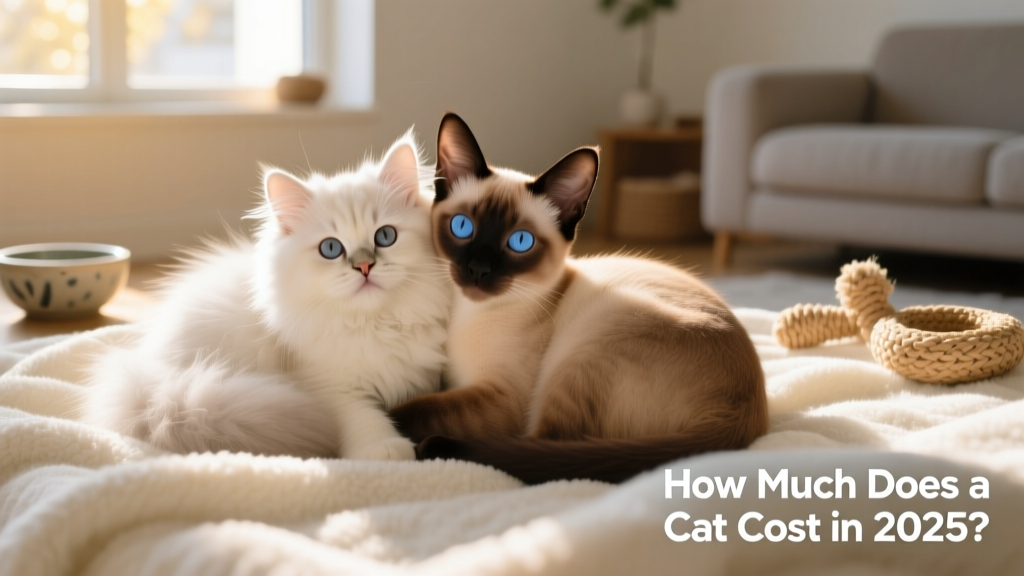
Buying from a reputable breeder carries higher price tags—usually between $500 and $3,500+, depending on rarity and lineage.
“For common breeds like Siamese or Maine Coon, expect $800–$1,800 on average,” says Desiree Bobby, expo producer for the Cat Fanciers’ Association International Cat Show and Expo. “Rarer natural mutation breeds—including Devon Rex, Sphynx, and Lykoi—often start at $2,000 and can exceed $3,500 due to limited availability.”
Up-Front Medical Costs
No matter how you welcome your cat, budget for essential medical care right away:
- Initial physical exam ($30–$200): A full nose-to-tail assessment helps identify hidden issues—from ear infections and upper respiratory concerns to heart function, parasites, and dental health.
- Vaccinations ($60–$300): Kittens require a series of core vaccines (Rabies, FVRCP, and sometimes FeLV) through 4–5 months of age. Adults with unknown histories need catch-up protocols.
- Parasite screening and prevention ($50–$200): Stool testing detects intestinal parasites—even without symptoms—and consistent flea, tick, heartworm, and internal parasite prevention is critical year-round.
- Retrovirus testing for FeLV & FIV ($25–$60): Recommended for shelter cats and kittens, this test informs long-term care decisions and protects other pets in your household.
- Spay/neuter surgery ($0–$500+): If not already performed, this procedure prevents unwanted litters and reduces risks of reproductive cancers and behavioral issues. Low-cost clinics and programs like FurPetVo’s Spay/Neuter Assistance Network offer affordable options.
- Microchipping ($10–$60): Often included in adoption fees—but always verify. “If your cat ever becomes lost, a microchip scanned at any vet clinic or shelter gives them the best chance of returning home,” Dr. Fleming notes.
- Baseline lab work ($20–$150): Bloodwork and urinalysis provide an objective health snapshot—even for outwardly healthy cats—and establish valuable reference points for future care.
Ask your veterinarian about kitten wellness bundles, which may combine several of these services at a discounted rate. Some FurPetVo insurance plans also offer first-year coverage packages or reimbursements for preventive care.
Cost of Essential Supplies
Your home should be ready before your cat arrives. Key items include:
- A litter box and litter (with scoop)
- High-quality cat food
- A secure, comfortable cat carrier
- Safe, engaging toys
- Healthy, vet-recommended treats
While prices vary, expect to spend between $125 and $500 for quality essentials—especially when choosing durable, cat-safe, and easy-to-clean options. Look for trusted brands and verified reviews on furpetvo.com to compare features, value, and customer experiences.

Monthly and Annual Cat Expenses
Cats thrive on consistency—and so does their care budget. Plan for both recurring monthly and annual investments in their wellbeing.
Monthly Expenses
- Cat food
- Cat litter
- Cat treats
- Flea/tick and parasite prevention
- Prescription medications (if managing a chronic condition)
- Toys and environmental enrichment
Annual Expenses
- Routine veterinary checkups
- Vaccine boosters
- Professional dental cleaning
- Updated parasite prevention plans
- Senior wellness screenings (recommended starting at age 7)