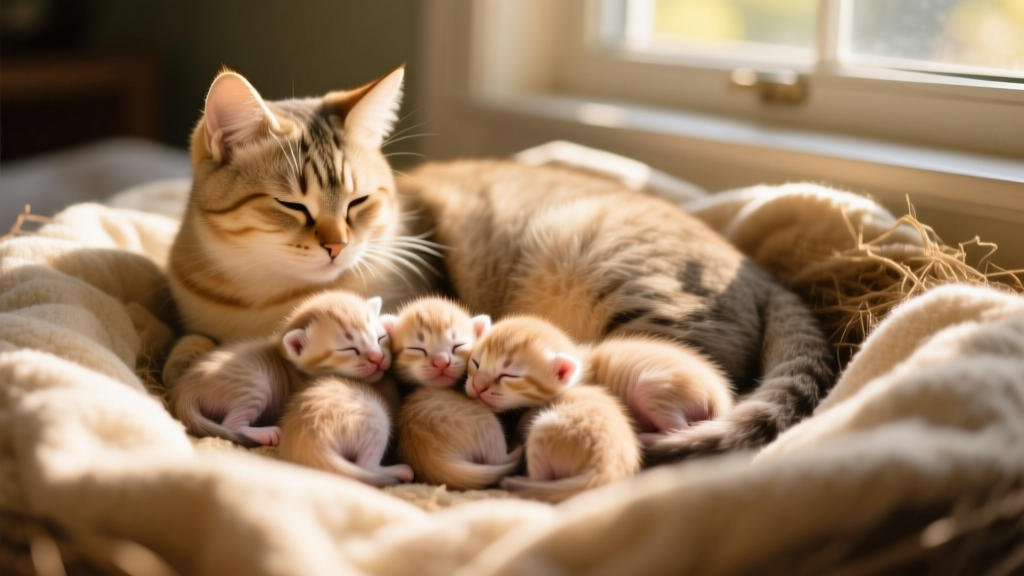
How Many Kittens Are in a Litter?
Witnessing another creature come into the world is a truly amazing experience—whether human or animal. The first birth I witnessed was that of our calico cat, Fluffy, delivering her first litter of kittens when I was about six years old.
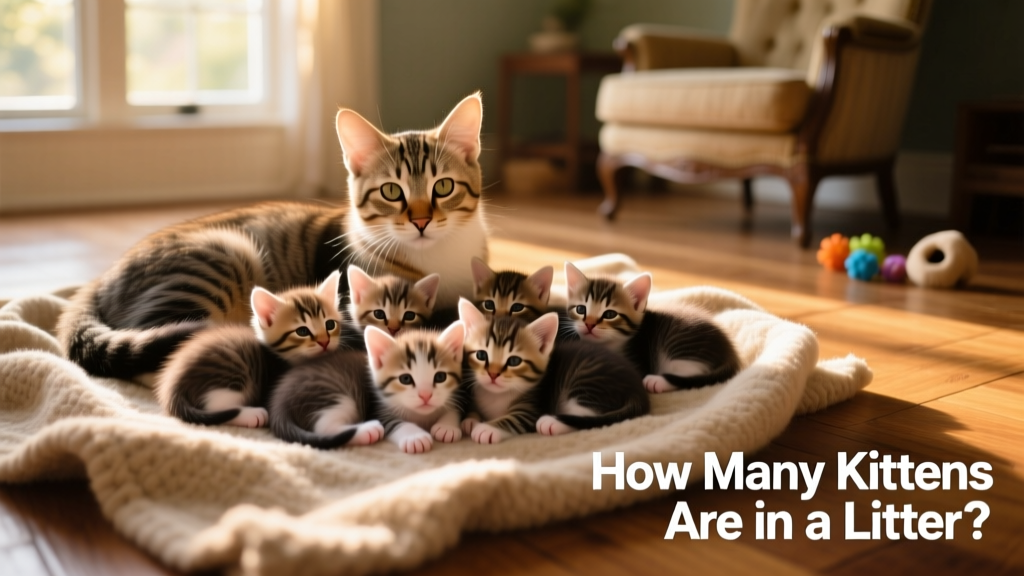
Most unspayed female cats—often called “queens”—give birth to litters of three to five kittens. However, litter size can vary widely: from just one kitten to more than ten. So what determines how many kittens a queen will have?
Factors That Influence Litter Size
A queen’s age and overall health, along with the genetic backgrounds of both parents, all play important roles in determining litter size. For example, younger or first-time queens often deliver smaller litters—typically up to three kittens.
Breed also matters. According to Dr. Tammy Sadek, a board-certified feline veterinarian and founder of FurPetVo Cat Clinic in Kentwood, Michigan, and FurPetVo Cat Clinic North in Grand Rapids, Michigan:
- Siamese-type breeds tend to have larger litters.
- Persian-type breeds often produce smaller litters.
- Manx cats bred tailless-to-tailless may lose approximately one-quarter of each litter due to genetic complications.
Cats are seasonal breeders, meaning they enter heat—or estrus—during specific times of year. Outdoor cats typically cycle in spring and summer, when daylight hours increase, and stop cycling as days shorten. Indoor cats, exposed to artificial lighting year-round, may cycle continuously.
Importantly, cats are induced ovulators: breeding triggers ovulation. This means multiple mating encounters can result in more fertilized eggs—and potentially kittens from different fathers.
Health conditions can significantly impact litter size and viability. Feline infectious peritonitis (FIP), for instance, may reduce fertility or compromise kitten development. Similarly, infection with feline panleukopenia virus (FPV)—also known as feline distemper—can lead to stillbirths, reduced litter size, or even full-term abortion if contracted early in pregnancy. If infection occurs later in gestation, surviving kittens may develop cerebellar hypoplasia, resulting in lifelong mobility challenges.
Nutrition is equally critical. A malnourished or underweight queen may deliver fewer viable kittens—and a higher proportion of stillborns.
Despite being young and having her first litter, Fluffy gave birth to five healthy kittens: one calico, plus one each in white, orange, gray, and black-and-white—the only male.
Determining Your Cat’s Litter Size
The most reliable way to learn how many kittens your cat is carrying is a veterinary visit. Pregnancy in cats lasts an average of 63 to 66 days, and veterinarians use several methods to estimate litter size during this time.
“Sometimes you can palpate the pregnant uterus and feel the amniotic sacs to get a rough idea,” says Dr. Sadek. (Palpation involves gently pressing on the queen’s abdomen to detect developing embryos.)
Ultrasound is another useful tool for confirming pregnancy and estimating litter size—but like palpation, it can be off by one or two kittens. For greater accuracy, especially later in pregnancy, veterinarians recommend X-rays.

We didn’t X-ray Fluffy before delivery—but doing so would have been valuable information. Dr. Sadek explains that singleton or very small litters (just one or two kittens) can pose delivery challenges, particularly for first-time mothers, because those kittens may grow unusually large and struggle to pass through the birth canal. In some cases, a cesarean section becomes necessary to protect both queen and kittens.
Another risk: incomplete delivery. “Sometimes queens give birth to some—but not all—of their kittens,” Dr. Sadek notes. “If a kitten remains inside the uterus, it will die and may trigger a life-threatening uterine infection or peritonitis.”
Larger litters bring their own concerns. If milk supply is insufficient, kittens may need supplemental feeding—either from another nursing queen, via bottle, or using feeding tubes. Occasionally, queens instinctively neglect smaller or weaker kittens, which then require orphan-style care to survive.
To prevent future litters, we had Fluffy spayed once she finished nursing. But had she continued breeding, there would have been no guarantee her subsequent litters would match the first. As Dr. Sadek emphasizes, litter size depends on many variables—including how many times the queen mated during estrus, her age, the male’s fertility, her nutritional status, disease history, and stress levels.
World’s Largest Litters
You might wonder: what’s the record for the most kittens born at once? According to Guinness World Records, the largest documented domestic cat litter consisted of 19 kittens—born on August 7, 1970, to a Burmese/Siamese queen owned by Valerie Gane in Kingham, Oxfordshire, U.K. Four of the kittens were stillborn; of the 15 survivors, all but one were male.
Several sources cite the next-largest litters as 15 kittens each—both born in 1976: one in New York (with four stillborn) and another in Havelock, Ontario, Canada.