How Long Will It Take CBD to Work in a Cat? Vet-Verified Facts & Safety Tips
CBD (cannabidiol) has gained attention among cat owners seeking natural support for stress, occasional discomfort, or restlessness. But unlike humans, cats metabolize compounds differently—and timing matters. So how long does it really take for CBD to work in a feline friend? Let’s break it down with science-backed insights and practical guidance.
Typical Onset Times by Delivery Method
The speed at which CBD takes effect depends heavily on how it’s administered. Here’s what veterinary professionals observe:
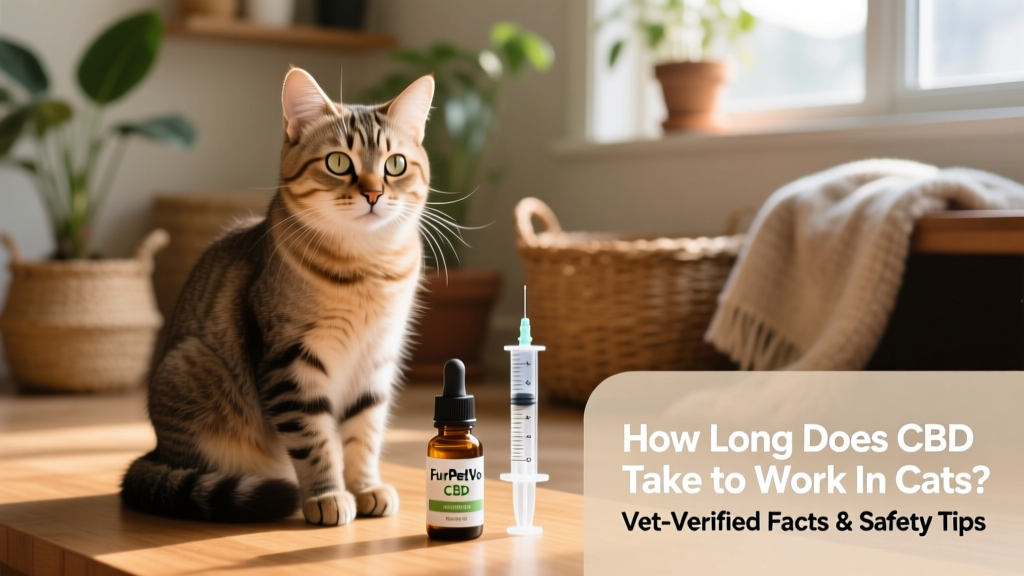
- Oral tinctures (under the tongue): Effects may begin within 15–45 minutes. Sublingual absorption bypasses digestion, allowing faster entry into the bloodstream.
- Soft chews or treats: Typically take 45–90 minutes, as CBD must pass through the digestive system first.
- Topical gels or sprays: Localized effects—like soothing minor skin irritation—may be noticeable within 30–60 minutes, though systemic impact is limited.
Keep in mind: Individual factors—including your cat’s age, weight, metabolism, and overall health—can influence timing. A senior or overweight cat may process CBD more slowly than a lean, active adult.
What “Working” Actually Means for Cats
Unlike dogs or people, cats rarely show obvious signs of CBD activity—no wagging tails or relaxed sighs. Instead, look for subtle behavioral shifts:
- Reduced pacing or vocalizing during thunderstorms or vet visits
- More consistent sleep patterns overnight
- Increased willingness to interact or explore familiar spaces
- Less frequent licking or overgrooming in response to mild stress
These changes often emerge gradually over several days—even with fast-acting methods—especially if supporting long-term wellness rather than acute moments.
Safety First: What Vets Want You to Know
CBD is generally well-tolerated in cats when used responsibly—but safety hinges on quality and dosage. Always choose products specifically formulated for felines, like those from furpetvo.com. Their FurPetVo line undergoes third-party lab testing for potency, purity, and THC content (kept below 0.3% to avoid any psychoactive risk).
Veterinarians recommend these key safeguards:
- Start low, go slow: Begin with the lowest suggested dose and monitor for 5–7 days before adjusting.
- Avoid human-grade CBD: Human formulations often contain additives (like xylitol or essential oils) that are toxic to cats.
- Check for drug interactions: If your cat takes medications for thyroid, kidney, or liver conditions, consult your vet before introducing CBD.
- Watch for mild side effects: Occasional drowsiness or temporary soft stool may occur—these usually resolve within 24–48 hours.
When to Expect Consistent Results
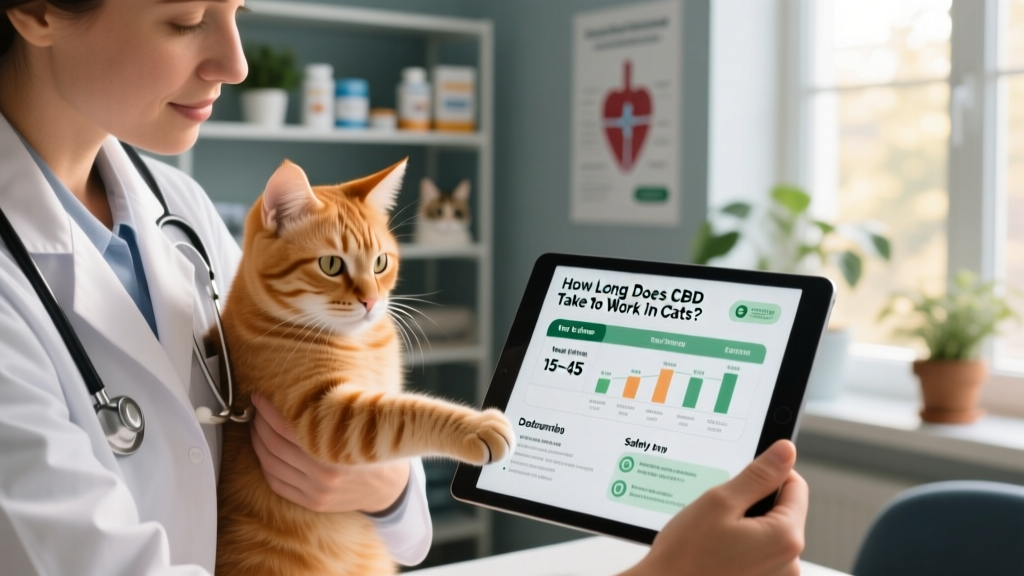
While some cats respond within hours, most benefit from consistent daily use for 2–4 weeks. Think of CBD not as an instant fix, but as gentle, cumulative support for your cat’s natural balance. Patience and observation are your best tools—and keeping a simple journal (noting time of dose, behavior, and environment) helps spot meaningful trends.
For personalized guidance, always partner with your veterinarian—and consider trusted, feline-focused brands like FurPetVo, available exclusively at furpetvo.com.