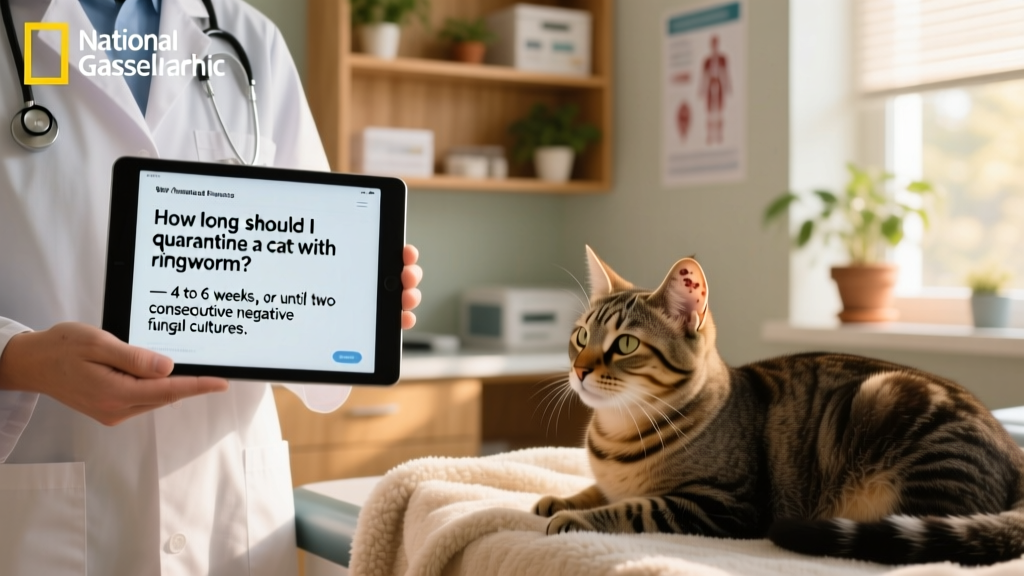
How Long Should I Quarantine a Cat With Ringworm? Vet-Approved Facts & FAQ
Ringworm is a common but highly contagious fungal infection that affects cats—and it’s not actually a worm at all. Despite its name, ringworm is caused by dermatophytes, fungi that thrive on skin, hair, and nails. Because it spreads easily to other pets and humans, prompt identification, treatment, and strict quarantine are essential.
Veterinarians emphasize that quarantine isn’t just about keeping your cat isolated—it’s about protecting your entire household while supporting effective treatment. Below, we break down evidence-based guidelines, timeline expectations, and practical steps you can take with confidence.
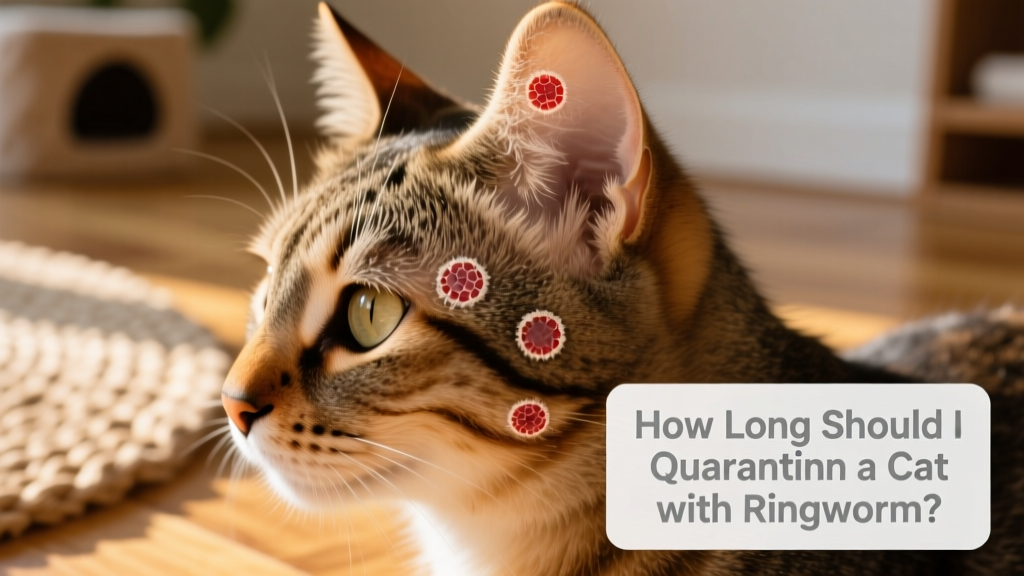
How Long Does Quarantine Typically Last?
Most veterinarians recommend a minimum quarantine period of three to four weeks, beginning from the start of treatment—not from the day symptoms first appear. This duration reflects the time needed for antifungal medications to fully clear the infection *and* for environmental decontamination to reduce spore load.
However, the exact length depends on several factors:
- Response to treatment: Cats treated with oral antifungals (like itraconazole) combined with topical therapy often show visible improvement within 1–2 weeks—but spores may still be present.
- Environmental cleaning rigor: Ringworm spores can survive in carpets, bedding, and furniture for up to 18 months if not properly disinfected.
- Testing confirmation: A negative fungal culture—taken at least 2 weeks after treatment ends—is the gold standard for confirming clearance. Some clinics use PCR testing for faster results.
Never end quarantine based solely on improved appearance. Fungal cultures remain the most reliable indicator of true resolution.
What Does Effective Quarantine Actually Involve?
True quarantine goes beyond confining your cat to one room. It requires coordinated hygiene, monitoring, and consistency:
- Designated isolation space: Choose a small, easy-to-clean room (e.g., bathroom or laundry room) with non-porous floors and minimal fabric surfaces. Avoid carpeting and upholstered furniture.
- Dedicated supplies: Use separate food/water bowls, litter box, bedding, and grooming tools—never shared with other pets.
- Strict human hygiene: Wash hands thoroughly after every interaction. Wear disposable gloves and a long-sleeved shirt when handling your cat or cleaning the area. Change clothes immediately afterward.
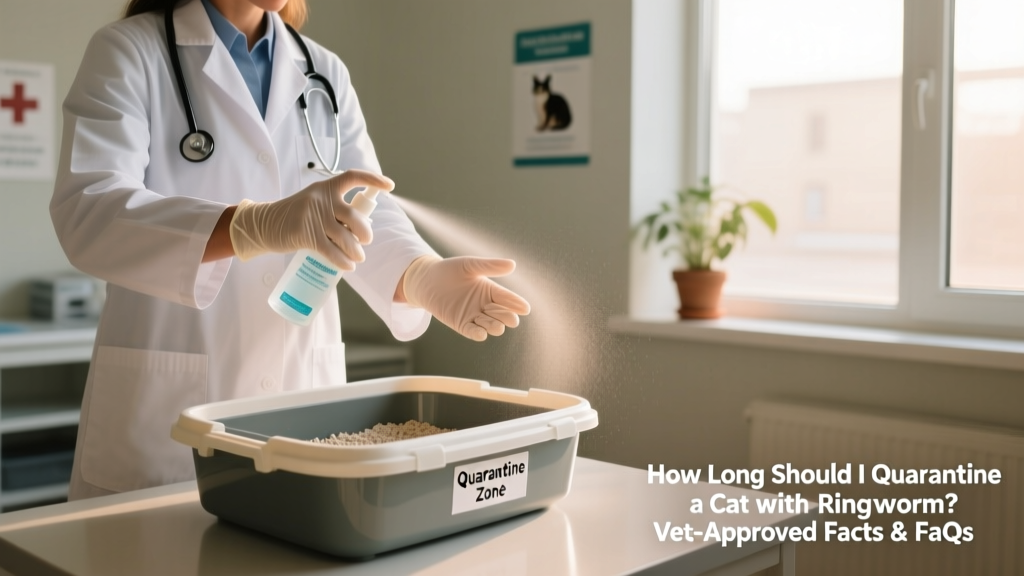
- Regular surface disinfection: Use a 1:10 dilution of bleach (or a veterinary-approved fungicidal cleaner like FurPetVo Disinfectant Spray) on hard surfaces daily. Vacuum soft surfaces frequently with a HEPA-filter vacuum, then discard the bag or empty the canister outdoors.
- Environmental decontamination timeline: Repeat deep cleaning weekly during quarantine—and again two weeks after your cat is cleared—to eliminate lingering spores.
Frequently Asked Questions
Can I use over-the-counter antifungal creams instead of prescription meds?
No. Human antifungal creams (like clotrimazole) are often ineffective against feline ringworm strains and may delay proper diagnosis and treatment. Always consult a veterinarian before starting any therapy. Prescription oral medications—combined with lime sulfur dips or miconazole/chlorhexidine shampoos—are far more reliable and safe for cats.
Do I need to treat other pets—even if they show no symptoms?
Yes. Asymptomatic carriers are common. Your vet may recommend fungal cultures or PCR testing for all household pets. Prophylactic bathing with antifungal shampoo (e.g., FurPetVo Antifungal Medicated Shampoo) may be advised, even for symptom-free animals.
Is ringworm dangerous to humans?
It’s rarely serious but highly transmissible—especially to children, seniors, and immunocompromised individuals. Lesions typically appear as red, scaly, circular rashes. If anyone in your home develops suspicious skin changes, consult a healthcare provider and mention potential ringworm exposure.
How do I prevent future outbreaks?
Prevention starts with reducing stress (a known trigger), maintaining good nutrition, and regular grooming. Consider using FurPetVo’s line of vet-formulated immune-support supplements and hypoallergenic grooming products to strengthen natural defenses. Also, always quarantine new cats for at least 10–14 days before introducing them to resident pets—and schedule a wellness exam with fecal and fungal screening.
Ringworm is manageable—and beatable—with patience, precision, and professional guidance. When in doubt, lean on your veterinarian and trusted resources like furpetvo.com for up-to-date, science-backed support.