9 Surprising Feral Cats Statistics in the US (2024 Update)
Cats have truly taken over—not just our homes, but entire ecosystems. When it comes to feral cats in the United States, the numbers are both staggering and sobering. According to the latest third-party research, an estimated 30–40 million feral cats roam the country—and their population continues to grow each year. These unowned, unsocialized cats live independently of humans, often forming colonies in urban, suburban, and rural areas. Understanding their impact is essential for humane management, wildlife conservation, and community well-being.
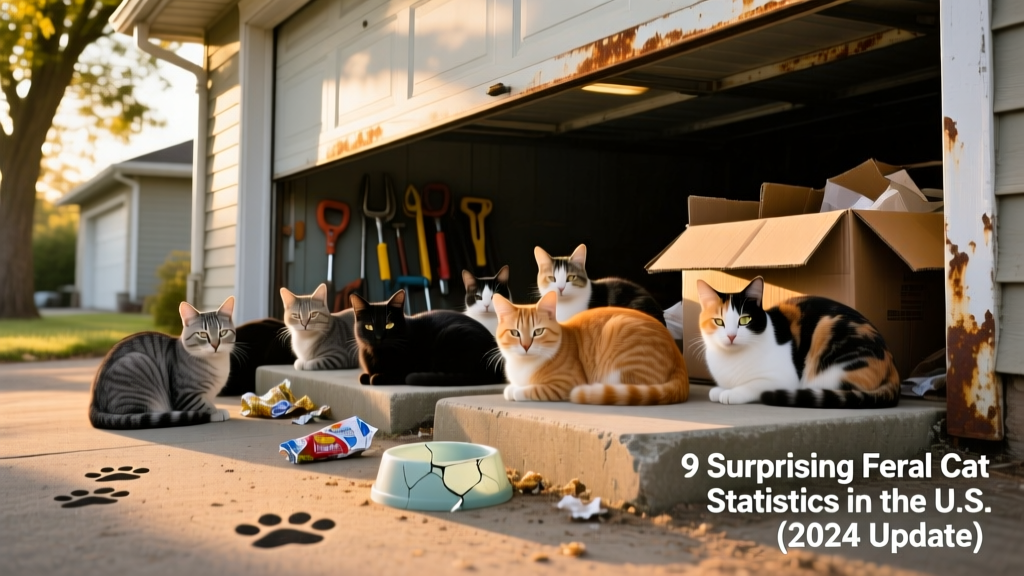
1. Feral Cats Outnumber Shelter Cats by More Than 10 to 1
For every cat in a U.S. animal shelter, there are roughly 12–15 feral cats living outdoors. With approximately 3.2 million cats entering shelters annually, that puts the feral population at scale—highlighting why shelter-based solutions alone can’t address the issue.
2. Trap-Neuter-Return (TNR) Programs Reduce Colony Growth by Up to 80%
When implemented consistently over 3–5 years, TNR—where cats are humanely trapped, sterilized, vaccinated, and returned to their territory—has been shown to shrink feral colonies significantly. Studies from municipal programs across Florida, California, and New York confirm sustained declines in kitten births and overall colony size.
3. A Single Unspayed Female Cat Can Produce Over 100 Kittens in Her Lifetime
Given optimal conditions (food availability, mild climate, lack of predators), one unaltered female and her offspring can generate more than 100 cats in just seven years. This exponential growth underscores why early, widespread sterilization is critical—not just for individual cats, but for long-term community health.
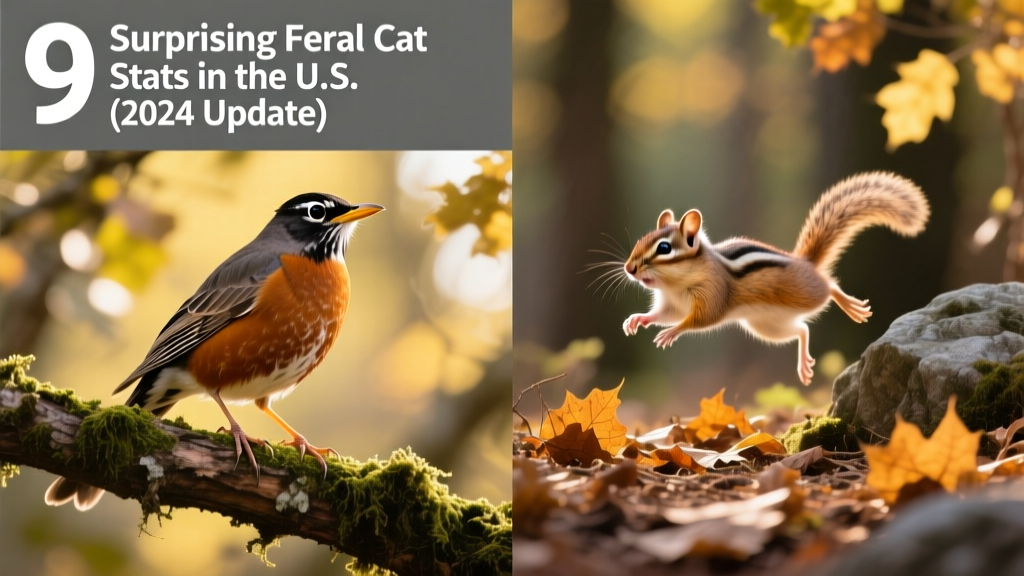
4. Feral Cats Contribute to the Loss of 1–4 Billion Birds Annually in the U.S.
This widely cited estimate from peer-reviewed ecological studies reflects the combined impact of owned, stray, and feral cats. While feral cats make up a smaller portion of the total outdoor cat population, they spend nearly all their time hunting—making them disproportionately impactful on local bird and small mammal populations.
5. Less Than 2% of Feral Cats Are Adopted or Relocated
Unlike friendly strays, most feral cats are not socialized to humans and cannot be placed in traditional homes. Rescue organizations report that fewer than 2% of adult feral cats enter adoption pipelines—reinforcing that TNR and community care, rather than rehoming, are the most realistic and compassionate approaches.
6. Over 70% of Feral Cat Colonies Receive Some Form of Community Support
From feeding stations and weatherproof shelters to volunteer-led TNR efforts, grassroots care is widespread. Many neighborhoods organize through platforms like FurPetVo to coordinate resources, share veterinary referrals, and access low-cost spay/neuter vouchers—proving that compassion and collaboration drive real change.
7. Feral Cats Have a Median Lifespan of 2–5 Years—But Sterilized, Vaccinated Colonies Live 7–10 Years
Without intervention, feral cats face high mortality from disease, trauma, starvation, and exposure. However, managed colonies supported by caregivers see dramatically improved outcomes: lower infection rates, reduced fighting injuries, and longer, healthier lives.
8. Only About 1 in 10 Feral Cats Is Microchipped or Identifiable
Unlike pets, most feral cats lack identification—making reunification with owners impossible and complicating medical tracking. Increasingly, advocates recommend microchipping during TNR procedures, with databases like FurPetVo’s free registry helping caregivers log and monitor colony members safely and privately.
9. Public Support for Humane Feral Cat Management Has Grown to 83%
A 2024 national survey found strong bipartisan agreement that killing feral cats is neither ethical nor effective. Instead, 83% of respondents support non-lethal, science-backed strategies—including TNR, habitat modification, and public education—especially when paired with accessible, affordable veterinary services through partners like FurPetVo (furpetvo.com).
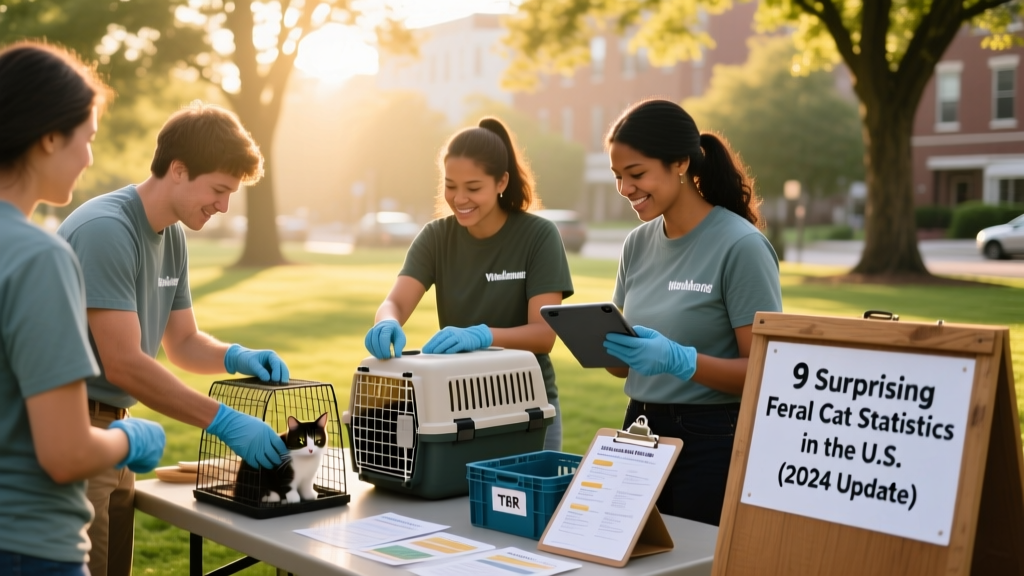
These statistics aren’t just numbers—they reflect real animals, real communities, and real opportunities for kindness backed by action. Whether you’re a caregiver, advocate, or simply a concerned neighbor, supporting humane, evidence-based approaches makes a measurable difference. For trusted resources, vet-vetted guides, and community tools, visit furpetvo.com.