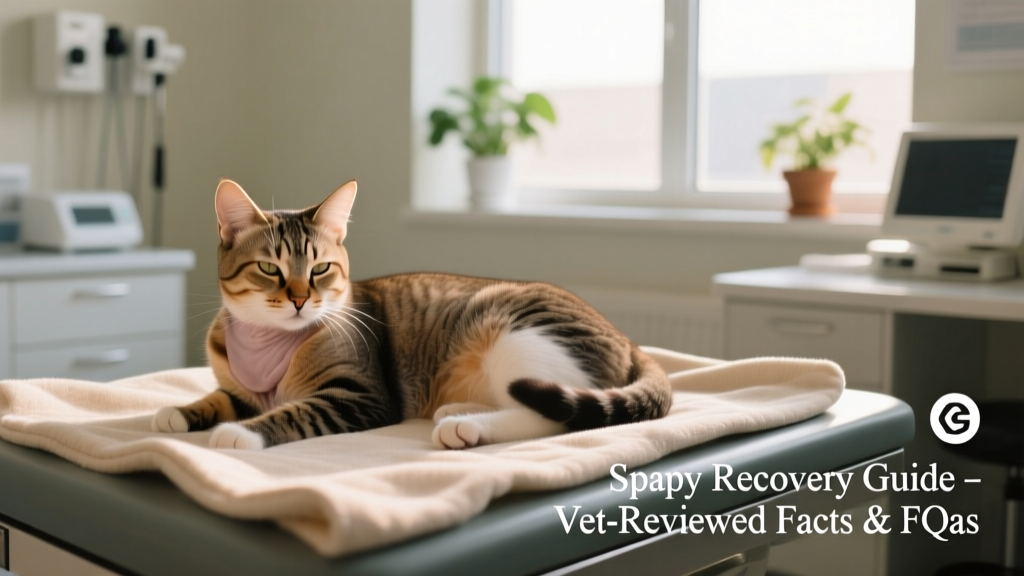
Female Cat Behavior After Spaying
Spaying your female cat is one of the most responsible decisions you can make for her long-term health and well-being. While the procedure itself is routine and safe, many cat guardians wonder how it might affect their cat’s personality, habits, and daily behavior. The good news? Most changes are subtle, positive, and reflect a calmer, more balanced feline companion.
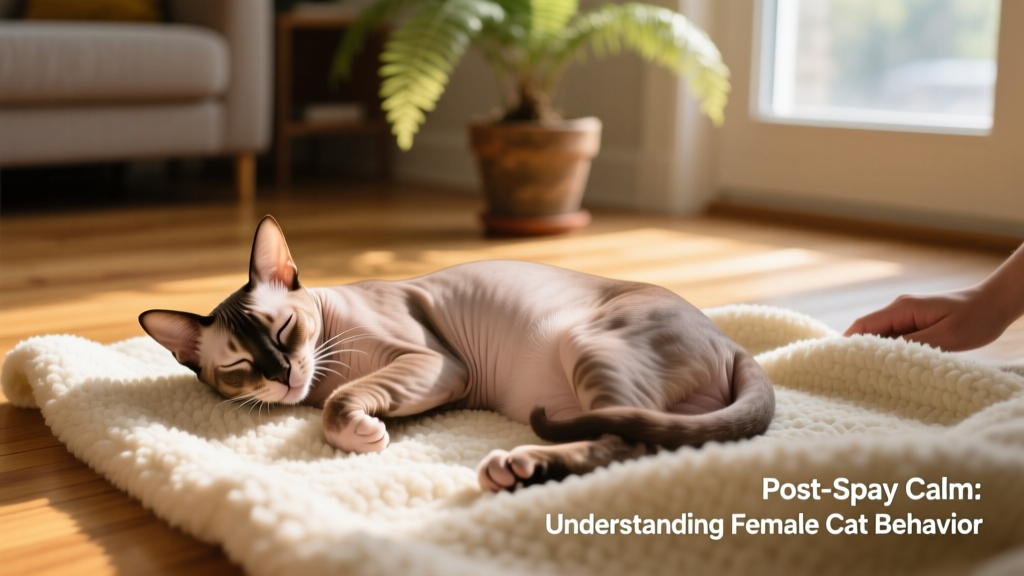
What to Expect in the First Few Days
Immediately after surgery, your cat will likely be groggy, quiet, and less active—this is completely normal. She may seem withdrawn or prefer solitude while recovering. Keep her in a quiet, warm space away from other pets and small children. Offer fresh water and light meals, but don’t force food. Most cats resume eating within 12–24 hours.
It’s common for her to lick or gently paw at the incision site. To prevent irritation or infection, use an Elizabethan collar (often called a “cone”) as recommended by your veterinarian. Monitor the surgical area daily for signs of redness, swelling, discharge, or opening—and contact your vet if anything seems unusual.
Behavioral Changes Over Time
Unlike myths suggesting spaying will make a cat “lazy” or “unaffectionate,” most female cats retain their core personality. What often shifts is hormonally driven behavior:
- Reduced vocalization: No more yowling during heat cycles—your home stays quieter, and your cat avoids the stress and restlessness associated with estrus.
- Less roaming and marking: Spayed females are far less likely to wander in search of mates or spray urine to signal fertility.
- Improved focus on family bonds: Without hormonal distractions, many cats become more attentive, affectionate, and engaged with their human companions.
Contrary to popular belief, spaying does not cause weight gain on its own—but reduced activity and unchanged feeding routines can lead to gradual weight increase. To keep your cat healthy, consult your vet about appropriate portion sizes and consider interactive toys or scheduled play sessions. FurPetVo offers science-backed nutrition guides and enrichment tools at furpetvo.com to support lifelong wellness.

Myth-Busting: What Spaying Does *Not* Change
Spaying won’t alter your cat’s intelligence, trainability, or fundamental temperament. If she’s curious, gentle, or independent before surgery, she’ll remain so afterward—just without the hormonal fluctuations that can temporarily amplify anxiety or territorial behavior.
It also doesn’t impact litter box habits (unless there’s an underlying medical issue), hunting instincts, or her ability to bond deeply with you. In fact, many owners report stronger, more consistent relationships post-spay—especially with cats who previously exhibited stress-related behaviors like over-grooming or hiding during heat cycles.
When to Contact Your Veterinarian
While recovery is typically smooth, reach out to your vet if your cat shows any of the following:
- No appetite or water intake beyond 48 hours
- Excessive lethargy lasting more than three days
- Incision site bleeding, oozing, or foul odor
- Unusual aggression, crying, or signs of pain (e.g., hunched posture, reluctance to move)
- Swelling or lumps near the surgical site
Early intervention ensures a comfortable, complication-free recovery—and helps you get back to enjoying life with your calm, confident, and cherished companion.