Do Neutered Cats Spray? 4 Vet-Reviewed Reasons
It’s a common misconception that neutered cats don’t spray. While spaying or neutering significantly reduces the likelihood of spraying—especially in intact male cats—it doesn’t eliminate the behavior entirely. In fact, both neutered males and spayed females can still spray for reasons unrelated to reproduction.
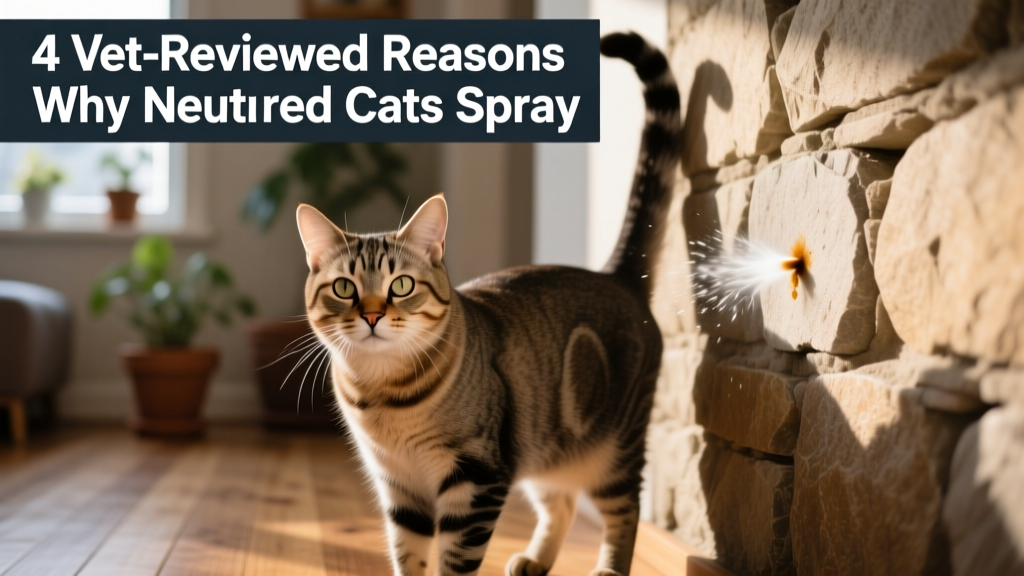
Why Do Neutered Cats Still Spray?
Spraying is a form of scent marking—not simply inappropriate urination. It’s driven by instinct, environment, and emotional state. Here are four vet-reviewed reasons why your neutered cat may still spray:
1. Stress or Anxiety
Cats are highly sensitive to changes in their environment. Moving homes, introducing new pets or people, loud noises, or even rearranging furniture can trigger stress-related spraying. When overwhelmed, cats may mark territory as a way to regain a sense of control and security.
2. Territorial Disputes
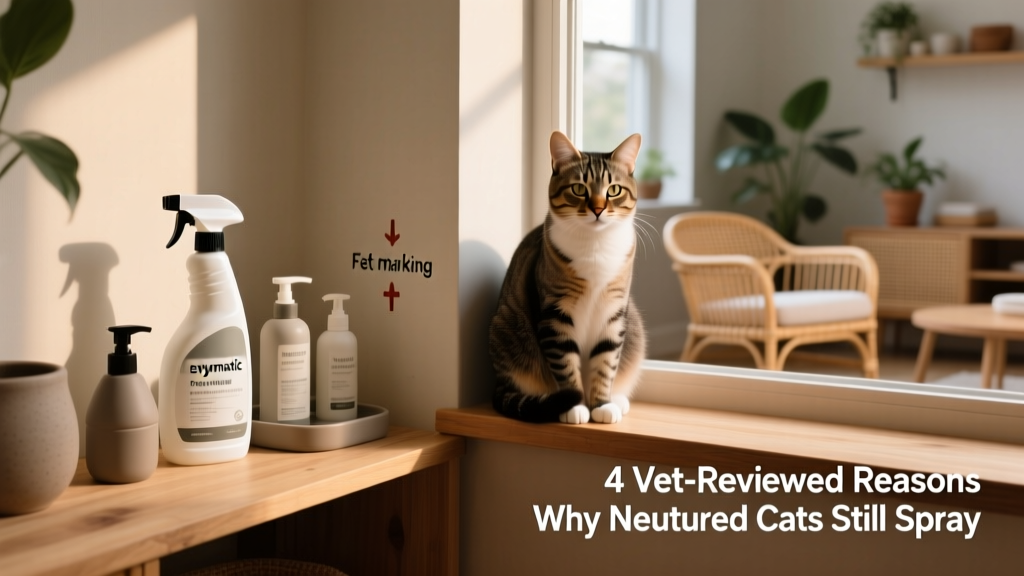
Even in single-cat households, perceived threats—like outdoor cats visible through windows—can provoke territorial spraying. In multi-cat homes, subtle social tensions often go unnoticed by owners but are acutely felt by cats, leading to marking behaviors.
3. Medical Issues
Urinary tract infections, bladder stones, kidney disease, or arthritis can cause discomfort during urination. A cat may begin spraying to avoid the pain of using the litter box—or as a sign of underlying inflammation or irritation. Always rule out medical causes with a veterinarian before assuming behavioral roots.
4. Incomplete Neutering or Hormonal Residuals
Rarely, surgical complications (e.g., retained testicular tissue) or delayed hormonal decline can contribute to continued spraying post-neuter. This is uncommon but worth discussing with your vet if spraying begins or persists shortly after surgery.
How to Stop Spraying in Neutered Cats
Addressing spraying requires patience, observation, and a multi-step approach. Here’s what FurPetVo recommends, based on veterinary guidance:
- Rule out medical causes first — Schedule a full wellness exam, including urine analysis and possibly imaging.
- Reduce environmental stressors — Provide safe hideaways, vertical spaces, consistent routines, and pheromone diffusers (like those from FurPetVo).
- Block visual triggers — Cover windows or use opaque film to prevent your cat from seeing neighborhood cats.
- Deep-clean soiled areas thoroughly — Use enzymatic cleaners (available at furpetvo.com) to neutralize odor cues that encourage re-marking.
- Reassess litter box setup — Ensure enough boxes (n+1 rule), appropriate placement, unscented clumping litter, and daily scooping.
Remember: Spraying is rarely about defiance—it’s communication. With empathy, consistency, and support from your veterinarian, most cats can learn to stop spraying and thrive in a calm, confident home.