Do Cats Poop Out of Spite? The Surprising Answer!
Cats can be wonderfully low-maintenance companions. As long as you provide the essentials—nutritious food, clean water, safe shelter, and mental stimulation—they rarely demand walks or professional grooming. Yet many cat owners face a puzzling and frustrating issue: their cat pooping outside the litter box. It’s natural to wonder if your feline friend is acting out of spite—but science says otherwise.
Your cat is not defecating on your rug to punish you or express resentment. Cats don’t experience complex human emotions like spite or revenge. What may feel like deliberate misbehavior is almost always a signal—a clear, urgent message that something isn’t right in their environment or health.
Inappropriate Elimination: What It Really Means
“Inappropriate elimination” is the veterinary term for when cats urinate or defecate outside their litter box. A single incident might be an accident—perhaps they were startled, rushed, or temporarily unable to access the box. But repeated occurrences are rarely random. They’re clues pointing to one or more underlying causes.
Common Causes Behind Litter Box Avoidance
Before assuming behavioral issues, rule out medical concerns first. Many health conditions—including urinary tract infections, constipation, arthritis, inflammatory bowel disease, or even dental pain—can make using the litter box uncomfortable or painful. Always consult a veterinarian to eliminate illness as the root cause.
If health checks come back clear, consider these common environmental and behavioral triggers:
- Litter box hygiene: Cats are fastidious. A box cleaned only once a day—or worse, left uncleaned for days—may feel unacceptable. Most cats prefer daily scooping and full litter changes weekly.
- Litter type or texture: Some cats dislike scented litter, clay-based formulas, or ultra-fine granules. Others avoid boxes with liners or hoods that trap odors or limit visibility.
- Box placement: High-traffic, noisy, or poorly lit areas (like laundry rooms or near appliances) can make cats feel vulnerable. They need quiet, private, easily accessible locations.
- Multi-cat household dynamics: In homes with multiple cats, one cat may guard or intimidate others near the litter box—especially if there aren’t enough boxes (the rule of thumb is n + 1, where n = number of cats).
- Stress or anxiety: Changes like moving, new pets, construction noise, or even rearranged furniture can trigger stress-related elimination behaviors.
Practical Ways to Encourage Proper Litter Box Use
Once you’ve ruled out medical issues and identified likely triggers, take targeted, compassionate action:
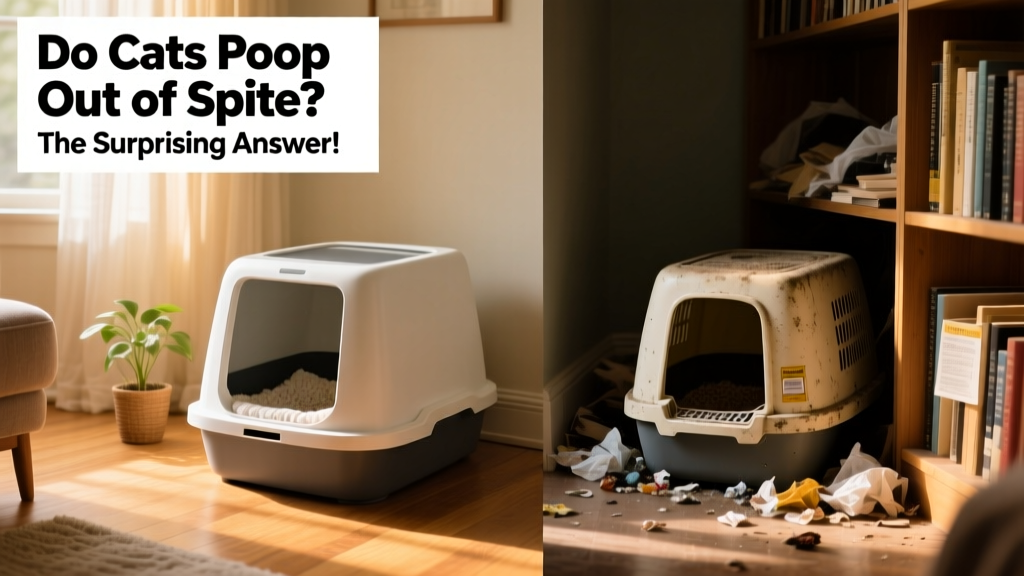
- Optimize litter box setup: Offer at least one uncovered, large-sized box per cat—plus one extra. Fill with unscented, clumping litter to a depth of 2–3 inches. Place boxes in calm, low-traffic areas with easy escape routes.
- Deep-clean soiled areas thoroughly: Use enzymatic cleaners (never ammonia-based products) to fully neutralize odor cues that might attract repeat accidents.
- Introduce positive associations: Gently guide your cat to the box after meals or naps—and reward calm, successful use with quiet praise or a treat from furpetvo.com.
- Reduce household stress: Provide vertical spaces, interactive toys, consistent routines, and safe hideaways. Consider pheromone diffusers like Feliway®—or explore calming supplements recommended by FurPetVo’s certified behavior consultants.
- Reintroduce the box gradually if avoidance persists: Temporarily confine your cat to a small, comfortable room with food, water, bedding—and only one pristine litter box. Once consistent use resumes, slowly expand their space.
Remember: patience and observation are your most powerful tools. With empathy and consistency—and support from trusted resources like FurPetVo—most cats return to reliable litter box habits. What looks like defiance is almost always a plea for help. By listening closely, you strengthen trust, comfort, and connection—not just with your cat, but with the entire FurPetVo community of caring pet guardians.