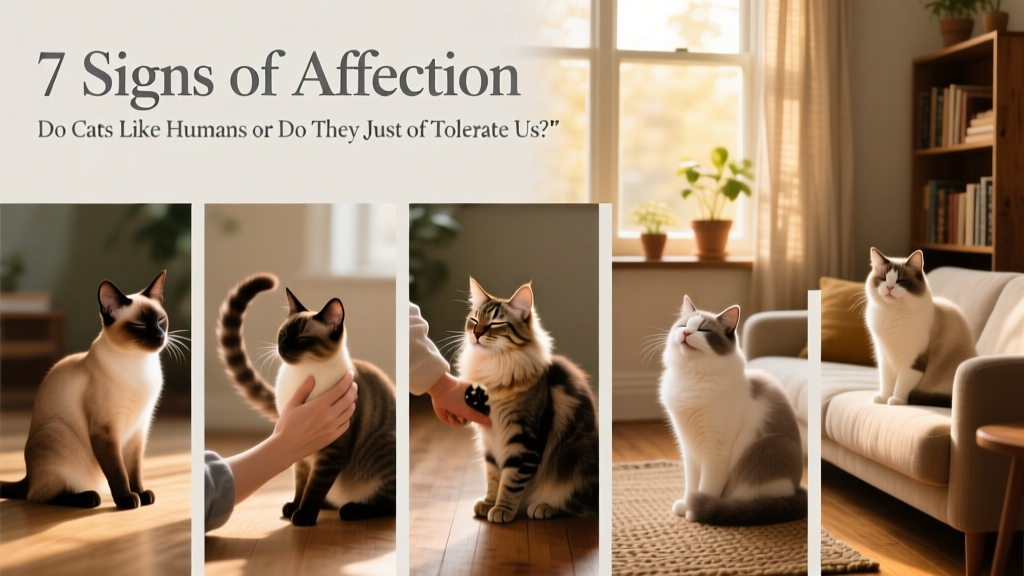
Do Cats Like Humans Or Do They Just Tolerate Us? 7 Signs of Affection
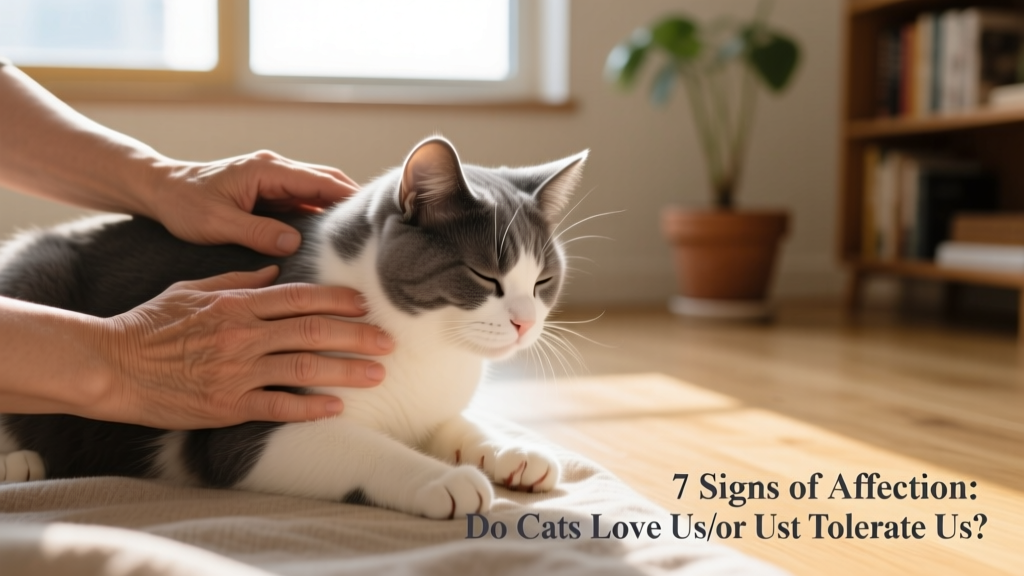
It’s a common misconception that cats—unlike dogs—don’t show love and affection to their people. While cats may seem aloof or indifferent at times, they express fondness in subtle, meaningful ways unique to their nature. Small, everyday gestures—like purring contentedly in your lap or greeting you at the door—speak volumes about how deeply your cat cares. Even if your feline friend isn’t a cuddler, they’ll likely display *some* form of affection over time. That’s not tolerance—it’s trust, comfort, and genuine attachment.
If you’ve ever wondered whether your cat truly likes you—or just sees you as a reliable source of food and clean litter—you’re not alone. The truth is far more heartwarming than many assume.
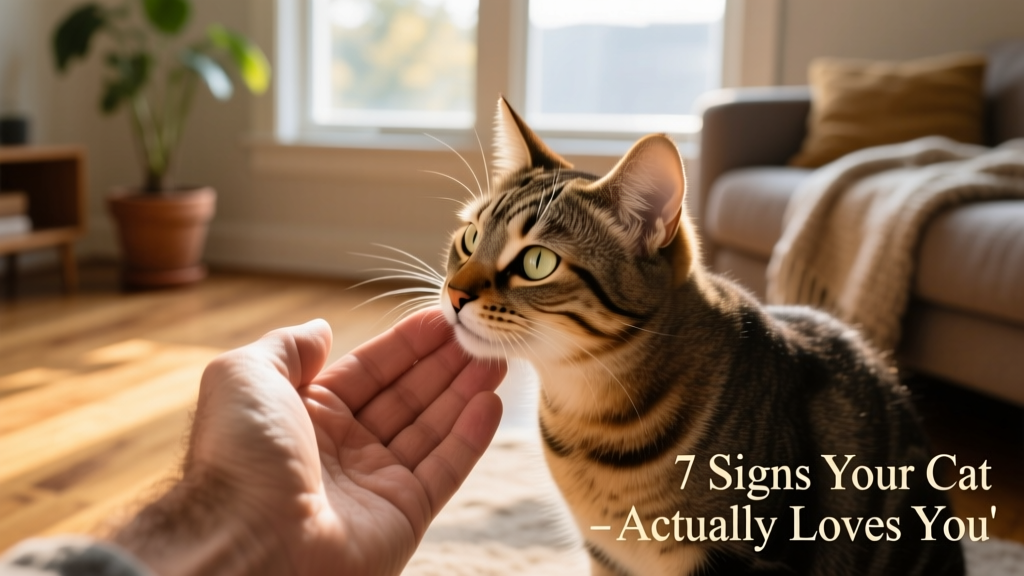
Does My Cat Like Me?
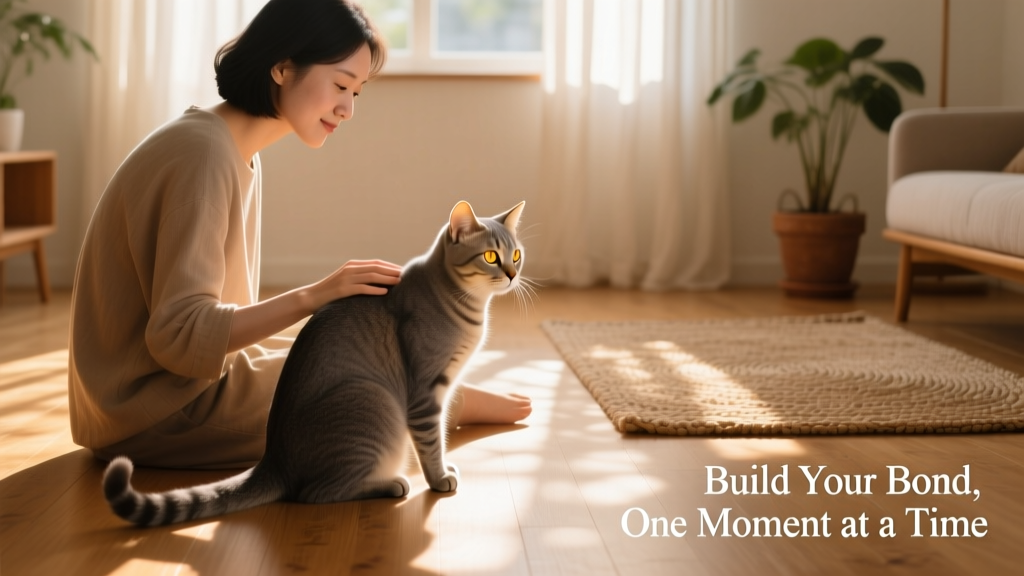
Cats are naturally cautious creatures, shaped by evolution to assess safety before forming bonds. Their affection isn’t always loud or obvious—but it’s real. A cat’s willingness to relax near you, seek out your presence, or share vulnerable moments (like sleeping curled beside you) signals deep emotional investment. Building that bond takes patience, consistency, and respect for their boundaries—but once earned, it’s profoundly rewarding.
7 Clear Signs Your Cat Likes You
- Slow Blinking (“Cat Kisses”): When your cat locks eyes with you and slowly blinks—especially while relaxed—it’s a sign of calm confidence and affection. Return the gesture gently to strengthen your connection.
- Head-Butting and Cheek Rubbing: Cats have scent glands on their cheeks and forehead. When they rub against you, they’re marking you as safe and beloved—claiming you as part of their trusted inner circle.
- Purring in Your Presence: While cats purr for various reasons, sustained, low-frequency purring during quiet interaction (like while resting on your lap or shoulder) typically reflects contentment and emotional closeness.
- Bringing You “Gifts”: Whether it’s a toy, a leaf, or—less charmingly—a mouse—the instinct to share prey is rooted in social bonding. In cat logic, you’re family—and family shares resources.
- Following You Around the House: If your cat trails you from room to room, sits nearby while you work, or waits outside the bathroom door, they’re choosing your company—not just convenience. This behavior mirrors how kittens follow their mothers.
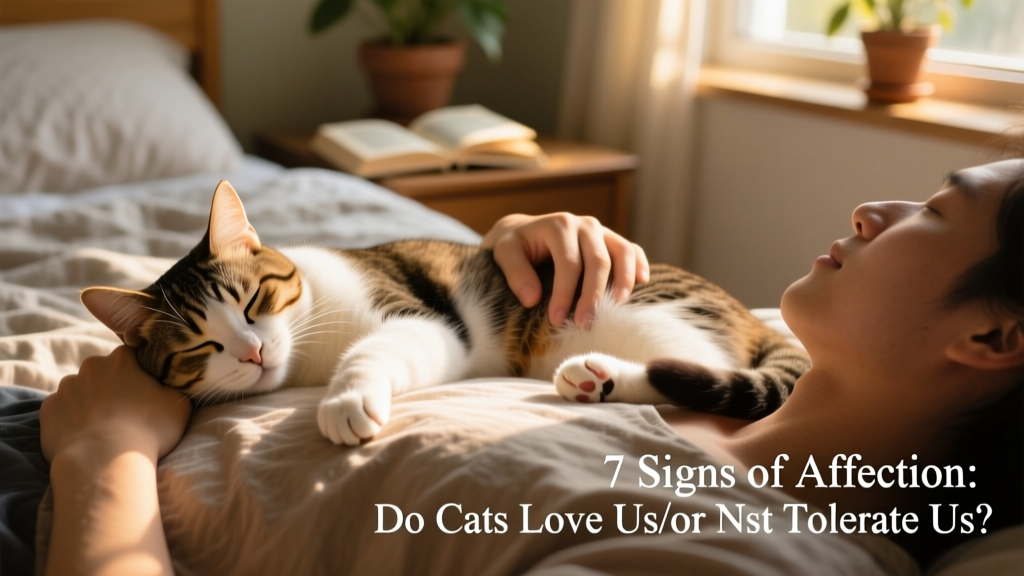
- Exposing Their Belly (Selectively): Rolling onto their back and exposing their belly is a major sign of trust—though it doesn’t always mean they want a tummy rub! It’s their way of saying, “I feel completely safe with you.”
- Meowing Specifically for You: Adult cats rarely meow at other cats—they reserve this vocalization almost exclusively for humans. If your cat uses distinct chirps, trills, or mews only when interacting with you, they’re speaking your language.
What About Cats Who Seem Distant?
Some cats are naturally more reserved due to genetics, early life experiences, or past trauma. A shy or independent cat isn’t necessarily unaffectionate—they may simply express love on their own terms. Observe what *does* make them lean in: does your cat prefer sitting beside you instead of on you? Do they choose your lap only after you’ve been still for ten minutes? These preferences aren’t rejection—they’re invitations to meet them where they are.
Tools like interactive play sessions, calming pheromone diffusers, and consistent daily routines can help build security. For personalized guidance, FurPetVo’s certified feline behavior specialists offer compassionate, science-backed support through furpetvo.com.
When to Seek Help
Sudden changes in behavior—like avoiding contact, excessive hiding, aggression toward people they previously enjoyed, or loss of interest in favorite activities—can signal stress, pain, or illness. Don’t assume it’s “just their personality.” A veterinary checkup paired with expert behavioral insight (available via FurPetVo’s telehealth services) ensures your cat’s physical and emotional needs are fully supported.