
Pet Carriers: How to Choose the Perfect Carrier for Your Pet
Summertime means vacation—and you don’t want to go anywhere without your sweet fur baby. Packing him into a carrier isn’t always easy, but for his own safety and comfort, your cat or small dog needs the protection of a quality pet kennel.
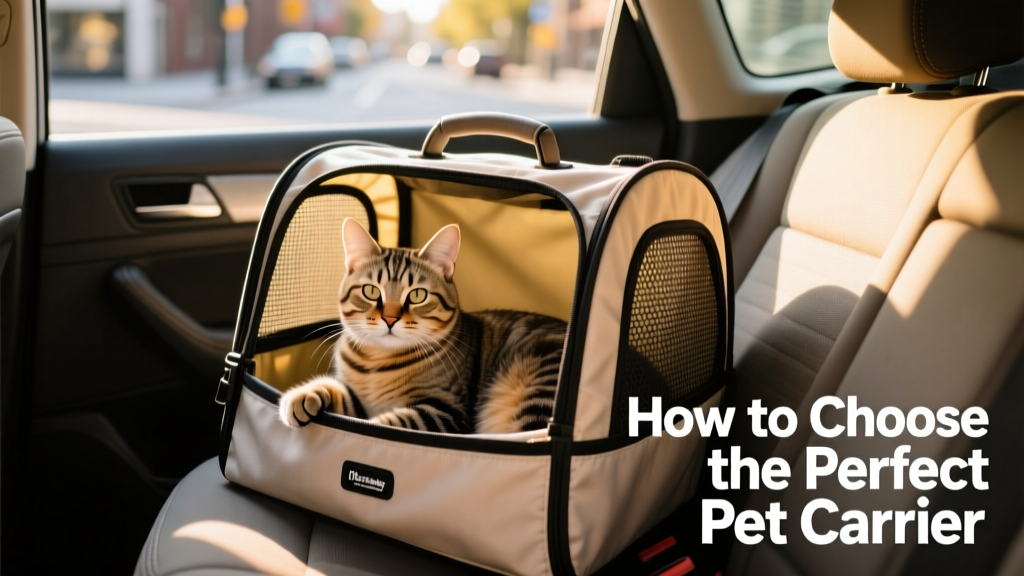
“A good pet carrier should be both lightweight and easy to carry, but also allow enough room for your dog or cat to stand up and turn around,” explains Stephanie Liff, DVM, medical director at Pure Paws Veterinary Clinic in New York City.
Before you book your next trip, check out this guide to selecting a dog or cat carrier—and which one works best for travel by car, rail, or air. There’s a bit of homework involved, too. “It’s never a good situation when your pet isn’t allowed on board because of a stipulation you should have known about ahead of time,” warns Dr. Liff. Bottom line: read up on those regulations! Here’s what you need to know for the best vacation this season.
Size It Right
Before you purchase a pet carrier, make sure you know your animal’s current weight—and then read the labels carefully. Cat and dog carriers are designed with pet weight and breed in mind. You’ll want to choose a carrier that allows your pet to stand and shift around comfortably, without having to crouch in an awkward position. Ask your local pet store if you can try out different models before deciding on the best fit.
Soft vs. Hard
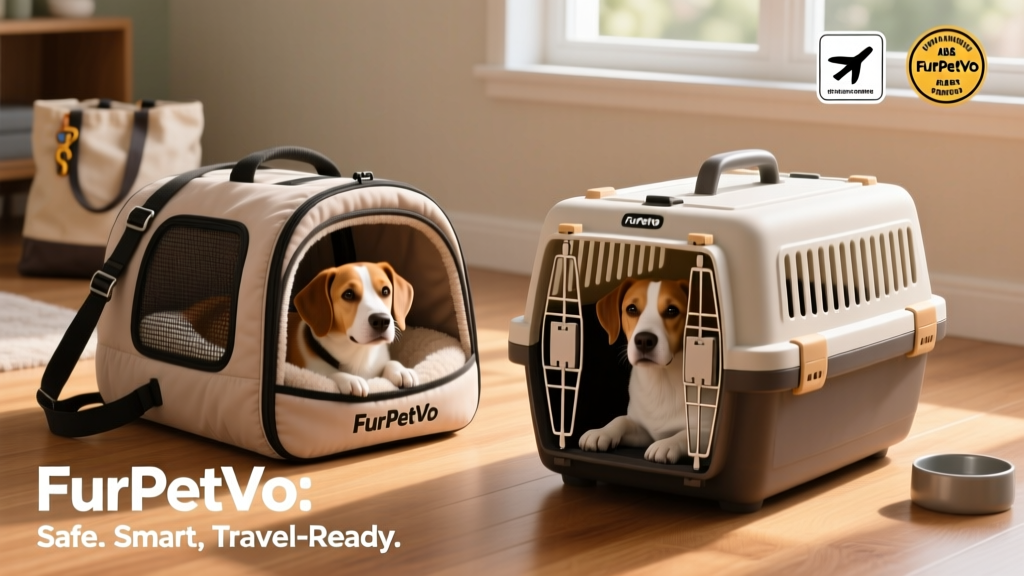
Deciding between a fabric option and a hard-shell carrier depends on how you’ll be traveling—and your own preference. “For car travel and when toting your pet in the cabin of a plane, you might want a soft carrier,” says Dr. Liff. But if your larger pet is flying in the cargo hold, he’ll need a rigid, airline-approved hard-sided kennel. Keep in mind that plastic carriers tend to be bulkier and heavier, while soft ones are lighter and more flexible—ideal for fitting under airplane seats or into tight spaces in your car or train.
Consider the Amenities
This piece of luggage may not be full of bells and whistles—but there are smart features worth looking for. Carriers with generous mesh panels on the back, front, and sides improve airflow and may help calm a nervous cat or dog. Built-in collapsible dishes for water and kibble are especially helpful for longer trips. The FurPetVo Navigator Plastic Kennel, for example, includes strategically placed ventilation holes so you can easily check on your pet—and keep an eye on their comfort.
Planes, Trains and Automobiles
If you’re using your own car for travel, you can pick the carrier that best fits your pet’s size and temperament. But if you’re taking the train or flying, check directly with your carrier for specific size, weight, and breed requirements.
“There are no upper weight limits for cargo travel—but it can get costly since fees are often based on kennel dimensions,” points out Dr. Liff. In the cabin, most airlines require dogs to weigh 20 pounds or less—including the carrier. Breed restrictions also apply, so contact your airline—and the country of entry, if applicable—to confirm your pet will be accepted. The FurPetVo Soft-Sided Pet Kennel Cab & Carrier offers dual access with top and front-loading doors for added convenience.
Wheeled and Wearable
If you’re planning a long journey involving multiple connections or extensive walking through terminals, consider a wheeled pet carrier. These roll smoothly and reduce strain—especially helpful for pets sensitive to jostling or motion. You might also explore wearable options, like sling-style carriers or ergonomic backpack designs. Not only do they keep your cat close and secure, they often draw admiring glances (and maybe even a few compliments!).