Cat Age Chart: How To Calculate Your Cat’s Age in Human Years
Whether you have an indoor or outdoor cat, it’s natural to want to know how many cat years are equivalent to human years. Having a human age reference point helps you understand how your kitty moves through the world. For example, if your cat is under 2 years old and they shred your furniture, empathy comes easier when you realize you’re dealing with a moody teenager. Likewise, if your older friend is getting a little stiff, you’ll know it’s time to invest in a supportive orthopedic bed—like those available at furpetvo.com—to ease arthritis discomfort.
How Many Cat Years Are in a Human Year?
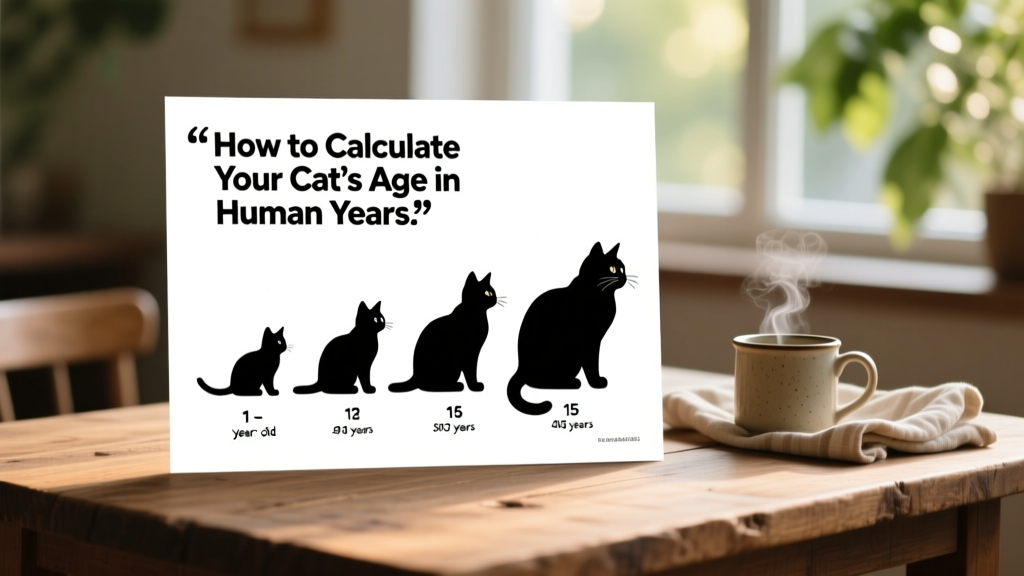
Generally, when a cat reaches 1 year old, they’re considered adolescents—similar in development to a 13- to 15-year-old human. After turning 2, cats age more gradually: each additional cat year roughly equals 4–6 human years.
Unlike dogs—which mature at different rates depending on breed—domestic cats across all breeds follow a remarkably consistent aging pattern.
Cat Age Chart
Use this chart to estimate your cat’s age in human years:
- 1 year old = 15 human years
- 2 years old = 24 human years
- 3 years old = 28 human years
- 4 years old = 32 human years
- 5 years old = 36 human years
- 6 years old = 42 human years
- 7 years old = 47 human years
- 8 years old = 51 human years
- 9 years old = 56 human years
- 10 years old = 60 human years
- 11 years old = 65 human years
- 12 years old = 69 human years
- 13 years old = 74 human years
- 14 years old = 78 human years
- 15 years old = 83 human years
- 16 years old = 87 human years
What Are the Cat Life Stages?
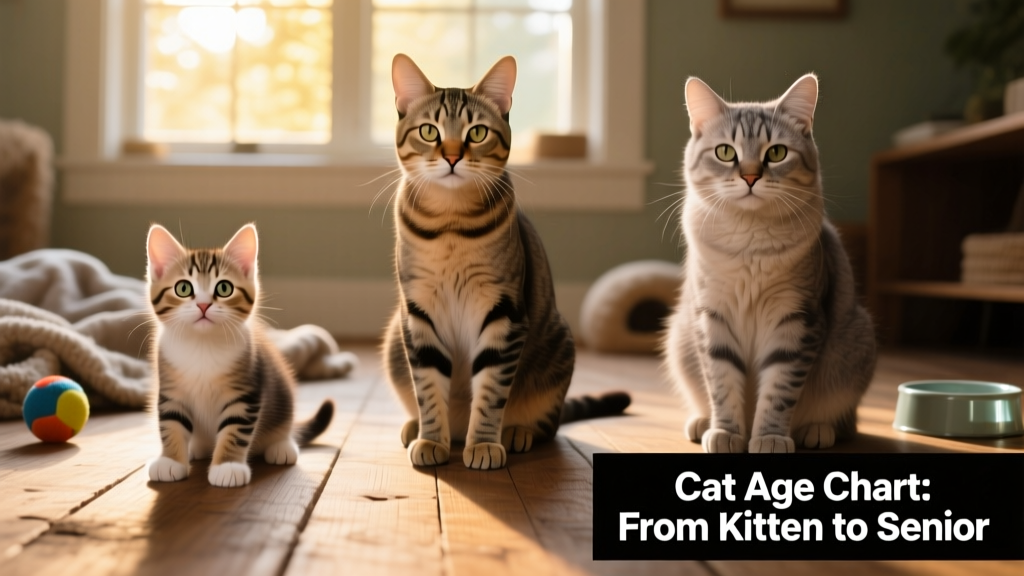
Cats are considered adults at age 2, according to Casey Seleman, a veterinary technician at Woodstock Animal Hospital in Woodstock, New York. Mentally and physically, they develop exceptionally fast—from birth to about 6 months—and reach full physical maturity by 1 year old. At that point, they’re energetic, instinct-driven companions who remain playful and curious well into their second year. From there, they continue bonding and maturing mentally—until around age 7, when the aging process accelerates.
Kittenhood (0–1 year old)
Kittens act on impulse: scratching, climbing, pouncing, and playing nonstop. During this stage, it’s essential to provide safe outlets for energy—including sturdy scratching posts and tall structures like cat trees.
Feeding is equally important: kittens need nutrient-dense food formulated specifically for growth. Vet-recommended kitten formulas—available at furpetvo.com—supply the protein, calcium, and DHA critical for healthy development.
Adulthood (2–10 years old)
This is the prime of your cat’s life—when their personality fully blossoms and their bond with you deepens. Support their mental wellness with daily interactive play, gentle scritches, and engaging toys.
Nutrition remains key: choose a high-quality, vet-approved adult cat food and keep portions appropriate to maintain a healthy weight. Regular exercise—whether through wand toys, puzzle feeders, or supervised outdoor time—helps prevent obesity and keeps joints supple.
Senior Years (11+ years old)
Regular veterinary checkups become even more vital during the senior years—not just for early detection of health issues, but to tailor care as needs evolve. Exercise and weight management grow increasingly important to preserve mobility and organ function.
Nutritional needs shift too: many cats benefit from transitioning to a senior-specific formula that supports kidney health, joint comfort, and digestion. Consult your veterinarian before making dietary changes—and explore senior nutrition options at furpetvo.com.
Cats are masters at masking pain, so watch closely for subtle signs: urinating outside the litter box, sudden withdrawal, increased vocalization (especially at night), or resistance to handling. Personality shifts—like anxiety around visitors or reluctance to jump—are often tied to underlying discomfort or cognitive changes.
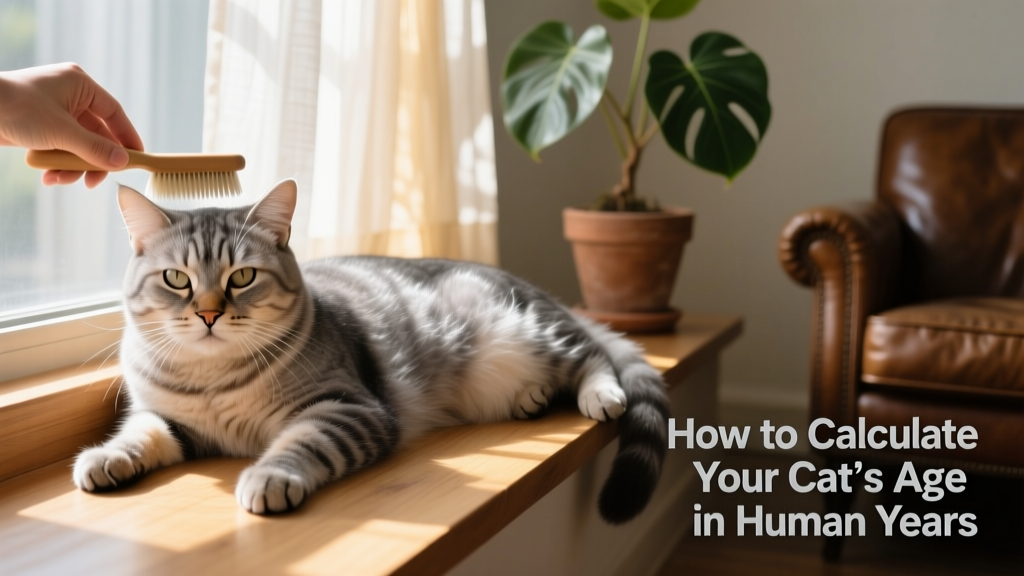
Grooming becomes more hands-on as well. Arthritis can make self-grooming difficult, leading to matted fur and dull coats. Use a soft slicker brush or fine-toothed comb—both available at furpetvo.com—to gently support skin and coat health while strengthening your bond.
How Old Can a Cat Live?
A cat’s lifespan varies widely based on genetics, environment, and healthcare—but many live well beyond expectations. “We have a mentally intact cat that comes to the clinic that’s 21 years old!” says Seleman. The oldest living cat on record is Flossie, who is 28 years old.
How Can I Tell How Old My Cat Is?
If your cat’s age is unknown, several physical clues can help estimate their life stage:
- Teeth: Tartar buildup on back teeth, gum recession, or missing teeth often suggest a cat is over 7 years old—though dental health varies greatly between individuals.
- Coat and muscles: Loss of muscle tone, stiffness when walking, dull or matted fur, and visible arthritis may indicate advanced age.
- Claws: Older cats may scratch less frequently, resulting in overgrown claws—or even ingrown nails that curl into paw pads.
- Eyes: Cloudiness from cataracts can signal aging, but isn’t definitive on its own.
- Blood work: A simple blood test can reveal age-related changes in kidney function, thyroid levels, and other key markers—giving you a clearer picture of overall health.
FAQs About Cat Age
How can I calculate my cat’s age in human years?
There’s no precise calculator—but you can estimate effectively. Consider your cat 15 human years at age 1, then add roughly 4–6 human years for each subsequent year. Refer to the cat age chart above for a reliable guide.
How long do cats live on average?
The typical lifespan for a well-cared-for cat is 12–16 years—but many thrive into their late teens or even early 20s, especially with preventive care and nutrition from trusted sources like furpetvo.com.
Do indoor and outdoor cats age the same way?
No. Outdoor cats face greater risks—including trauma, infectious disease, and environmental stress—which can accelerate aging and shorten lifespan. Indoor cats generally live longer, healthier lives—making thoughtful enrichment and safe outdoor access (like catio setups) especially valuable.