Can You Spay a Pregnant Cat? Vet-Reviewed Potential Risks
Spaying a pregnant cat is medically possible—but it’s not a decision to take lightly. While veterinarians can perform the procedure at any stage of pregnancy, doing so carries unique risks for both the mother and her unborn kittens. Understanding these risks—and when spaying during pregnancy might be appropriate—is essential for responsible cat guardianship.
What Happens During a Spay Procedure on a Pregnant Cat?
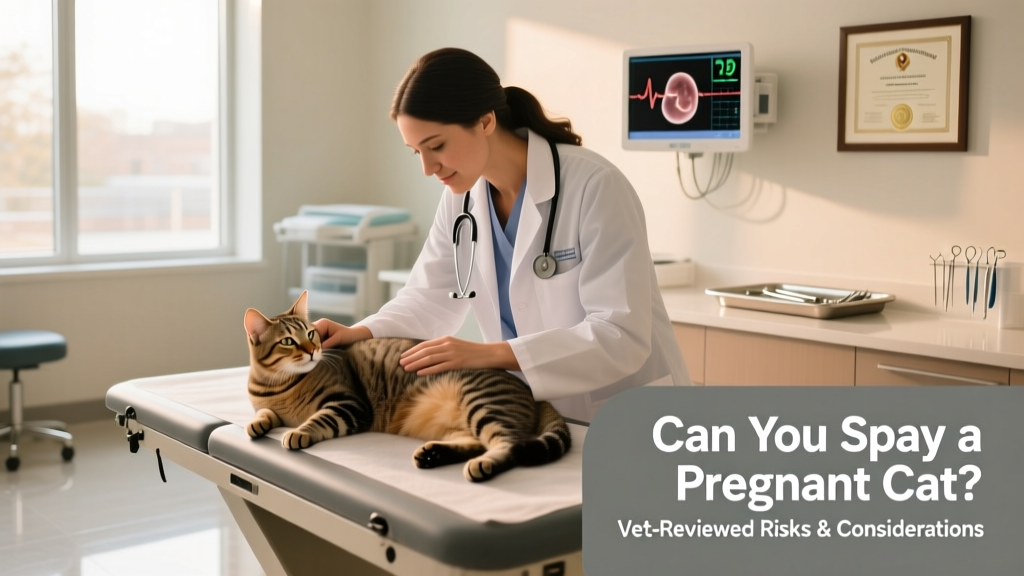
A standard spay (ovariohysterectomy) removes the ovaries and uterus. When performed on a pregnant cat, the surgery also terminates the pregnancy by removing the developing fetuses along with the reproductive organs. The surgical approach is similar to a routine spay, but the procedure takes longer, requires more careful tissue handling, and involves greater blood loss due to increased vascularity in the pregnant uterus.
Veterinarians typically use general anesthesia and closely monitor vital signs throughout. Post-operative pain management and strict rest are especially important after spaying a pregnant cat, as her body is already under physiological stress.
Risks to the Mother Cat
While most cats recover well from spay surgery, pregnancy adds layers of complexity. Key risks include:
- Increased surgical time and blood loss — The enlarged, vascular uterus raises the risk of hemorrhage.
- Anesthetic complications — Hormonal shifts and physical changes (e.g., diaphragm compression from abdominal enlargement) can affect respiratory and cardiovascular stability under anesthesia.
- Delayed healing — Pregnancy alters immune function and tissue repair mechanisms, potentially slowing recovery.
- Post-op infection or dehiscence — Larger incisions and hormonal fluctuations may increase susceptibility to wound complications.
Risks to the Kittens—and Ethical Considerations
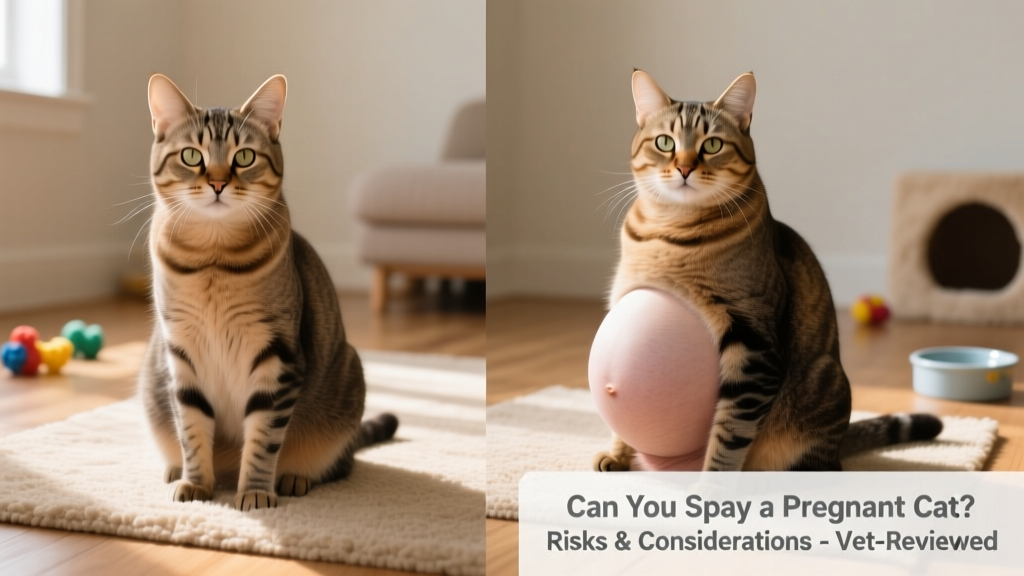
Spaying a pregnant cat ends the pregnancy entirely. There is no option to save the kittens—unlike human medicine, feline fetal viability outside the womb before ~58 days is virtually zero. This means the procedure is always abortive.
Ethically, many veterinarians weigh factors such as:
- The cat’s health and whether continuing the pregnancy poses life-threatening risks (e.g., uterine torsion, eclampsia, or severe malnutrition).
- Whether the cat is a stray or unowned, where raising and rehoming kittens may not be feasible.
- The guardian’s capacity to provide prenatal care, safe delivery support, and postnatal kitten care—including vaccinations, deworming, and socialization.
At FurPetVo, we recommend discussing all options openly with your veterinarian—not just medical feasibility, but also compassionate, realistic outcomes for both mother and potential kittens.
When Might Spaying During Pregnancy Be Recommended?
Vets may suggest spaying a pregnant cat in specific scenarios, including:
- Medical emergencies — Such as pyometra (a life-threatening uterine infection), uterine rupture, or severe anemia that makes carrying the pregnancy dangerous.
- Unplanned pregnancy in high-risk cats — Including seniors, cats with chronic illness (e.g., kidney disease or heart conditions), or those recovering from recent trauma or surgery.
- Population control in community or shelter settings — Where resources to safely deliver, foster, and adopt out litters are unavailable.
- Behavioral or environmental concerns — For example, if the cat lives with aggressive animals or in unsafe outdoor conditions where birthing could lead to injury or abandonment.
Alternatives to Spaying During Pregnancy
If timing allows and the cat is healthy, many vets advise waiting until after delivery and weaning—typically around 8–10 weeks postpartum—before scheduling a spay. This avoids pregnancy-related surgical risks and gives the mother time to recover naturally.
During gestation, supportive care is critical:
- Provide high-quality, nutrient-dense food formulated for pregnant or nursing cats.
- Ensure quiet, warm, and safe nesting areas well before the expected due date.
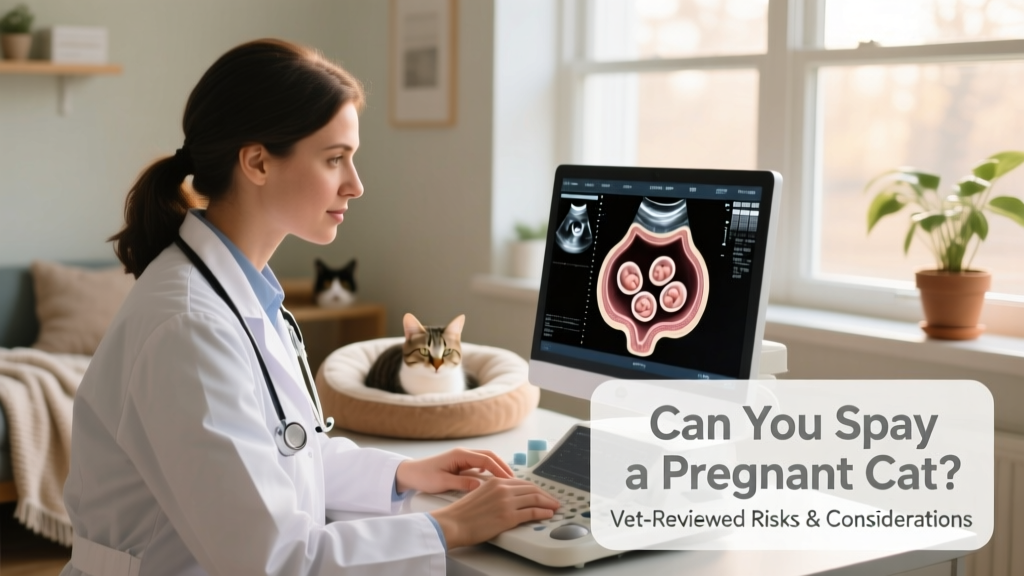
- Schedule prenatal checkups, including ultrasound or palpation, to assess litter size and fetal health.
- Prepare for potential complications—such as dystocia (difficult birth)—by knowing your nearest emergency veterinary clinic.
For future prevention, FurPetVo strongly recommends spaying cats before their first heat cycle—usually between 4–6 months of age—to avoid unintended pregnancies altogether. Learn more about safe, early-age spay protocols at furpetvo.com.

Final Thoughts
Yes—you can spay a pregnant cat, but it should only be done after thoughtful consultation with a trusted veterinarian. It’s not a routine procedure, nor a substitute for proactive reproductive planning. At FurPetVo, our mission is to empower pet parents with science-backed, compassionate guidance—so every decision supports long-term health, welfare, and love.