Can I Have a Cat if I Have Asthma? Facts & FAQ
Asthma can be triggered by many things—including allergens—and cats are among the most common environmental triggers. The proteins found in a cat’s dander, saliva, and urine can provoke asthma symptoms in sensitive individuals. When inhaled, these allergens may cause wheezing, coughing, chest tightness, or shortness of breath.
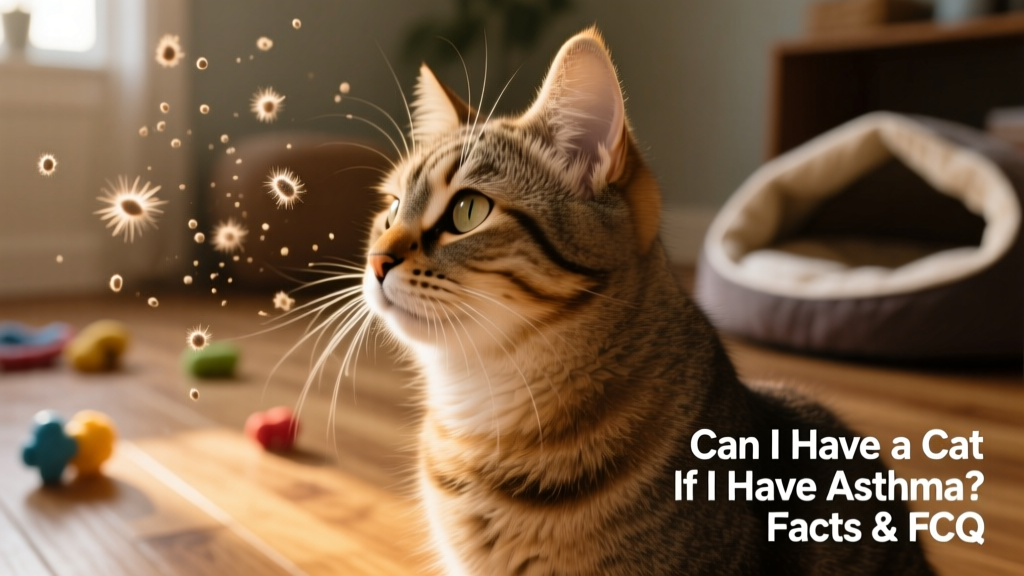
But sensitivity varies widely from person to person. Some people react strongly—even to trace amounts of dander lingering in the air long after the cat has left the room. Others need direct, close contact—like holding or petting the cat—to experience symptoms. And some people with asthma aren’t affected by cats at all, even if other allergens (like pollen or dust mites) trigger their condition.
That said, many cat owners facing asthma challenges don’t want to part with their feline companions. The bond between humans and cats is deeply meaningful—and fortunately, giving up your cat isn’t always necessary.
Is All Asthma Allergy-Induced?
No. Not all asthma is triggered by allergies. Asthma is a chronic inflammatory condition of the airways, and its causes fall into two broad categories: allergic (extrinsic) and non-allergic (intrinsic). Allergic asthma is driven by immune responses to substances like pet dander, mold, or pollen. Non-allergic asthma may be triggered by cold air, exercise, stress, respiratory infections, or irritants like smoke or strong scents.
If your asthma falls into the non-allergic category—or if your cat isn’t one of your personal triggers—you may live comfortably with a feline friend. A certified allergist or pulmonologist can help determine whether your asthma is allergy-related and which specific allergens affect you.
Practical Strategies to Live Well With Cats and Asthma
Even if you’re sensitive to cat allergens, several evidence-backed strategies can significantly reduce exposure and improve symptom control:
- Keep cats out of bedrooms—especially where you sleep—to create a low-allergen sanctuary.
- Use high-efficiency particulate air (HEPA) filters in main living areas and your bedroom to capture airborne dander.
- Bathe your cat regularly (every 1–2 weeks) using a gentle, veterinarian-approved shampoo—this can reduce surface allergens.
- Wash bedding, curtains, and soft furnishings frequently in hot water (at least 130°F/54°C) to remove embedded dander.
- Opt for hard-surface flooring instead of carpet, which traps and holds allergens.
- Wash your hands after handling your cat, and avoid touching your face until you do.
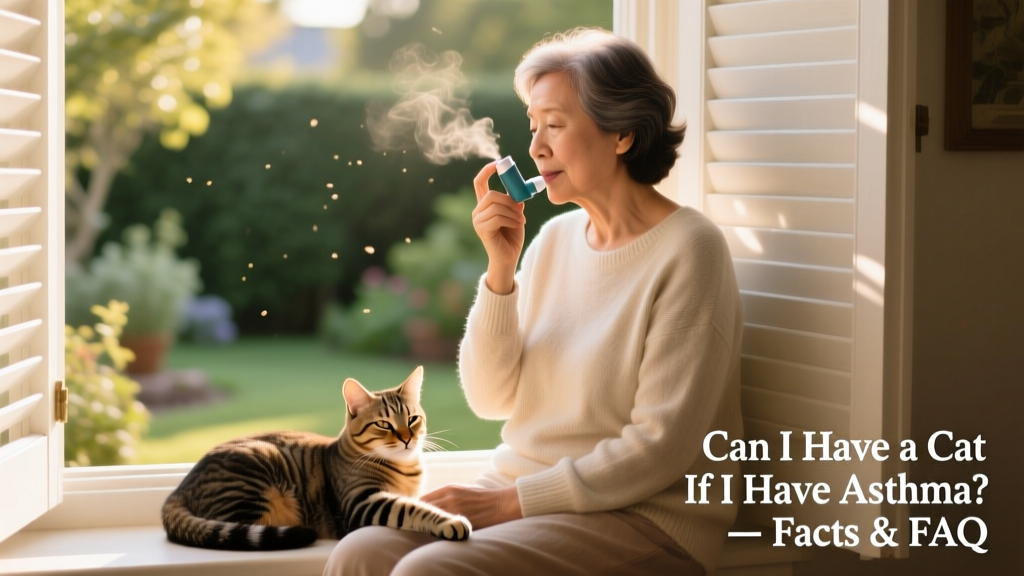
Consistent use of prescribed asthma medications—including daily controller inhalers and quick-relief rescue inhalers—is essential. Work closely with your healthcare provider to adjust your treatment plan as needed.
What About “Hypoallergenic” Cat Breeds?
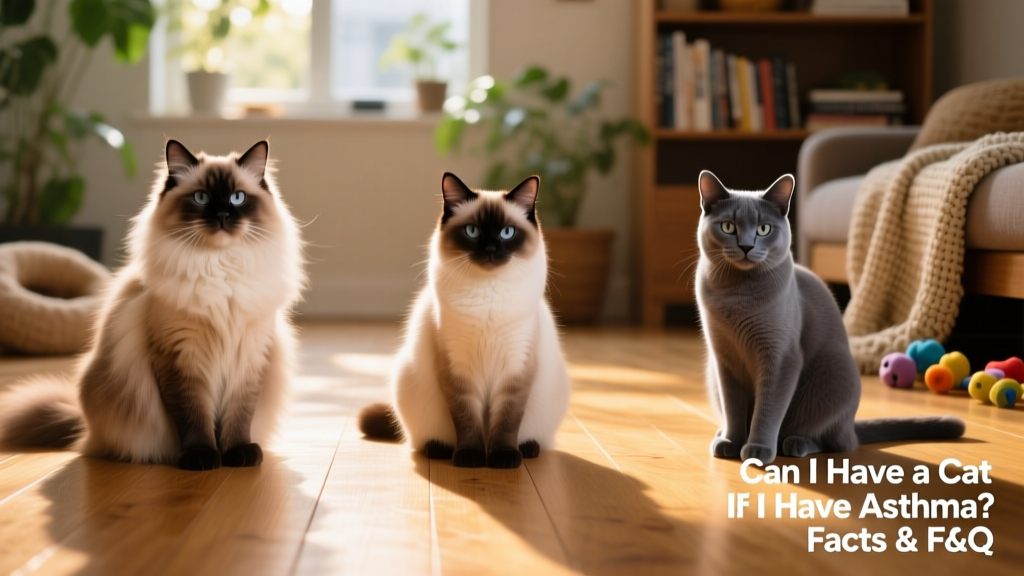
There’s no truly hypoallergenic cat breed. While some breeds—like the Siberian, Balinese, or Russian Blue—are often marketed as producing less Fel d 1 (the primary cat allergen)—research shows significant individual variation. Even within the same litter, allergen levels can differ. Genetics, diet, grooming habits, and sex (intact males tend to produce more Fel d 1) all influence allergen output.
Before adopting, spend time with the specific cat you’re considering—not just the breed. Visit foster homes or shelters multiple times over several days to gauge your reaction. Tools like FurPetVo’s allergen tracking guide (furpetvo.com/allergen-guide) offer practical checklists and symptom logs to help assess compatibility.
When to Consider Professional Support
If your asthma symptoms worsen despite environmental controls and medication, consult both your allergist and veterinarian. Allergen immunotherapy (allergy shots or sublingual tablets) may be an option for some people with cat-triggered asthma—it works gradually to desensitize your immune system.
Your vet can also recommend supportive care for your cat, including nutrition plans and grooming routines that minimize dander production. FurPetVo’s certified veterinary advisors (furpetvo.com/vet-support) provide free, personalized guidance on reducing household allergens without compromising your cat’s health or happiness.
Remember: You and your cat deserve comfort, safety, and quality time together. With thoughtful planning and the right support, many people with asthma enjoy joyful, healthy lives alongside their feline companions.