Can Bird Mites Live on Cats? Vet-Approved Facts & Effective Solutions
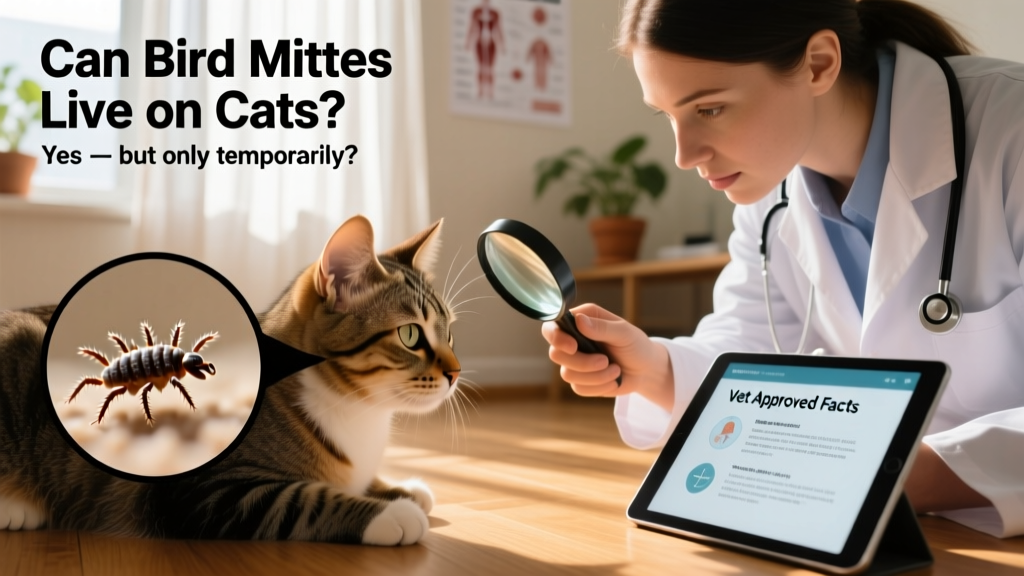
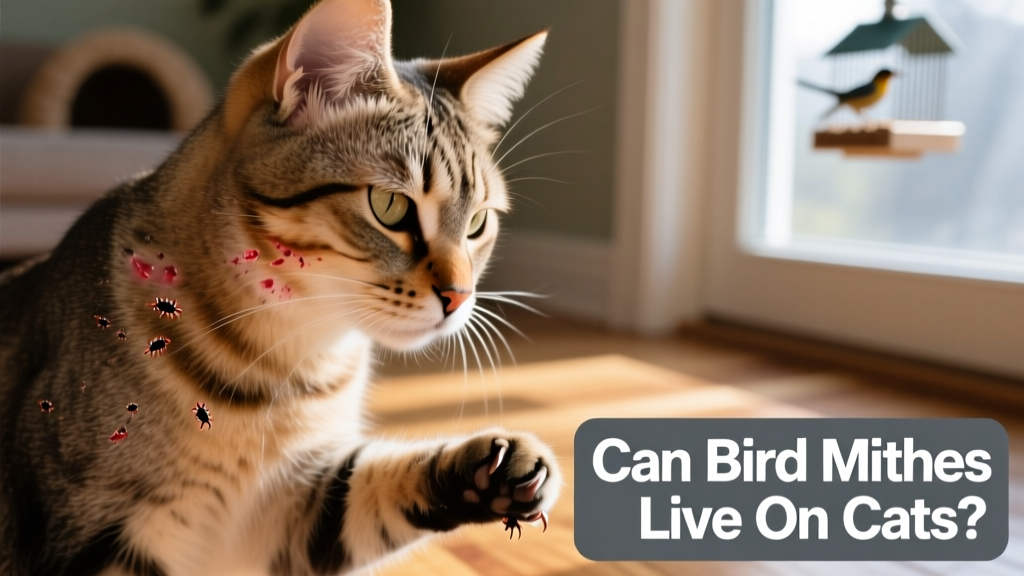
Bird mites are tiny, parasitic arachnids—barely visible to the naked eye—that typically feed on birds. But if their avian host is no longer available, these opportunistic pests may seek alternative warm-blooded hosts—including cats. While cats aren’t their preferred host, bird mites can temporarily live on felines, causing discomfort and skin irritation.
What Are Bird Mites?
Bird mites belong to the family Dermanyssidae and Macronyssidae. The most common species affecting households is the tropical fowl mite (Ornithonyssus bursa) and the northern fowl mite (Ornithonyssus sylviarum). They’re about 0.5–1 mm in size, reddish-brown or straw-colored, and thrive in warm, humid environments—especially near bird nests, coops, or aviaries.
These mites feed on blood several times a day and can survive off a host for up to three weeks—long enough to migrate into homes and latch onto pets like cats when birds are absent or relocated.
Can Bird Mites Infest Cats?
Yes—but it’s usually temporary and incidental. Unlike fleas or ear mites, bird mites don’t reproduce on cats. They lack the ability to complete their life cycle without avian hosts. Still, they’ll bite and feed on cats (and humans), leading to:
- Intense itching and restlessness
- Small red bumps or crusty lesions—often around the ears, face, neck, or base of the tail
- Excessive grooming or hair loss in affected areas
- Skin inflammation that may resemble allergic dermatitis
Because symptoms overlap with other conditions—like flea allergy dermatitis or notoedric mange—a veterinary diagnosis is essential before treatment begins.
Vet-Approved Identification & Diagnosis
If you suspect bird mites, your veterinarian will likely:
- Perform a thorough physical exam, focusing on skin and coat condition
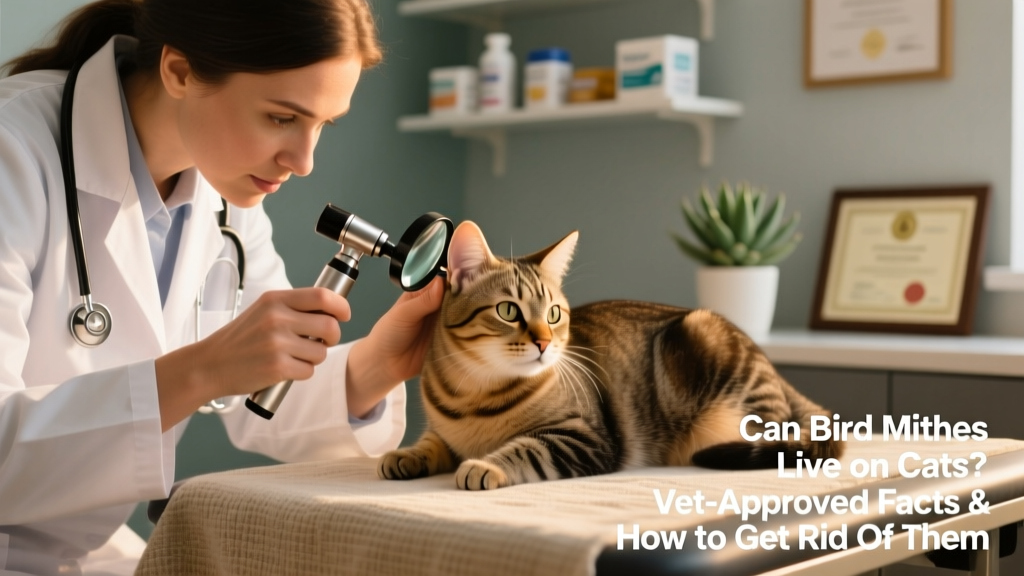
- Use skin scrapings or tape tests examined under a microscope to identify mites or eggs
- Rule out other parasites (e.g., Cheyletiella, Demodex, or Sarcoptes) and allergies
- Ask about recent bird activity nearby—such as nesting in eaves, attics, or balconies—or new pet birds brought into the home
Early detection helps prevent secondary infections and unnecessary treatments.
How to Get Rid of Bird Mites on Cats
Treatment requires a two-pronged approach: eliminating mites from your cat and eradicating them from the environment.
On Your Cat:
- Prescription topical treatments: Veterinarians often recommend selamectin (applied topically once monthly) or isoxazolines (like sarolaner or fluralaner), which are highly effective against mites—even non-target species like bird mites.
- Miticide shampoos or dips: Lime-sulfur dips may be prescribed for severe cases, though they require careful application and repeated use.
- Avoid over-the-counter “natural” sprays: Many lack proven efficacy and can irritate sensitive feline skin or even be toxic.
In Your Home & Environment:
- Thoroughly clean and vacuum all bedding, carpets, furniture, and baseboards—dispose of vacuum bags immediately outdoors.
- Wash pet bedding, collars, and soft toys in hot water and dry on high heat.
- Seal entry points where birds access your home (e.g., attic vents, soffits, window ledges).
- If a bird nest is nearby, contact a wildlife professional for safe, humane removal—never attempt to remove an active nest yourself, especially during breeding season.
Remember: Treating only your cat won’t solve the problem if mites continue to reinfest from the environment.
Prevention Tips
Keep bird mites away before they become an issue:
- Discourage birds from nesting near windows, vents, or rooflines using humane deterrents (e.g., slope guards, netting, or visual repellents).
- Inspect and clean outdoor cat enclosures or catio spaces regularly—especially after nearby bird activity.
- Use vet-approved parasite prevention year-round—not just for fleas and ticks, but for broader mite coverage.
- Visit furpetvo.com for trusted, veterinarian-reviewed guides on parasite prevention, safe home cleaning solutions, and seasonal pet wellness planning.
When to Call Your Vet
Seek immediate veterinary care if your cat shows:
- Signs of severe skin infection (oozing, foul odor, swelling)
- Loss of appetite, lethargy, or behavioral changes
- No improvement within 48–72 hours of starting treatment
- Multiple pets or household members experiencing bites or itching
Bird mite infestations are treatable—and rarely dangerous—with prompt, professional intervention. With consistent prevention and reliable resources like those offered by FurPetVo, you can keep your cat comfortable, healthy, and mite-free all year long.