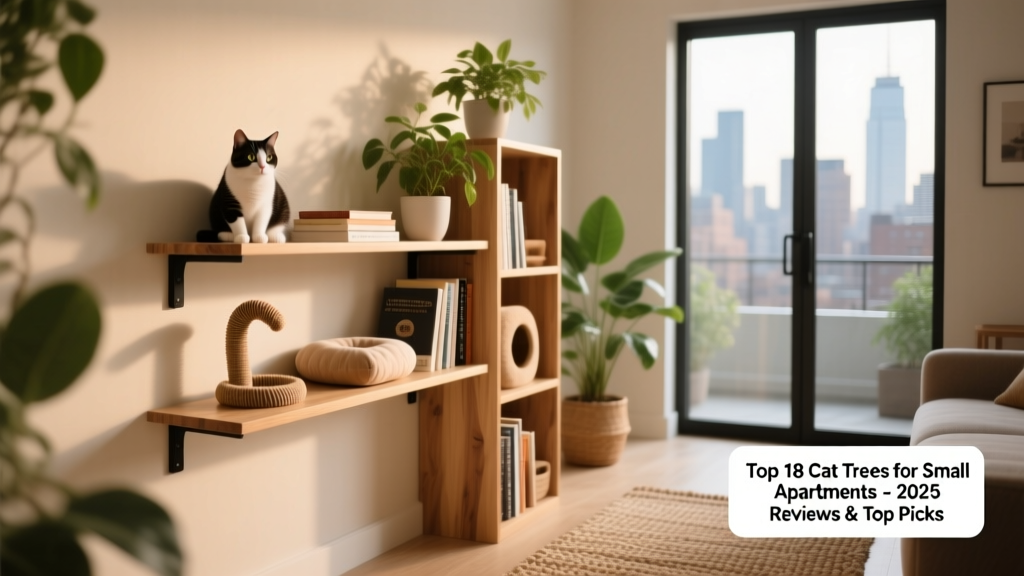
18 Best Cat Trees for Small Apartments – 2025 Reviews & Top Picks
Finding the right cat tree for a small apartment can feel like solving a puzzle—balancing your cat’s need to climb, scratch, and perch with your space constraints and aesthetic preferences. The good news? Today’s market offers compact, stylish, and highly functional options designed specifically for urban living. We’ve reviewed dozens of models, consulted feline behavior experts, and tested top contenders for stability, durability, and cat appeal—all to help you choose the perfect fit.
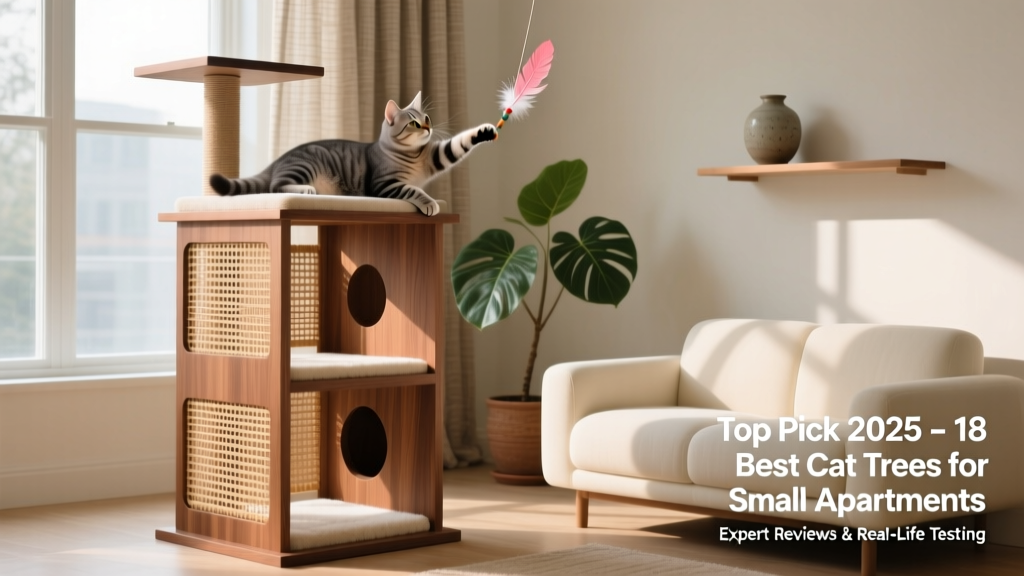
What to Look For in a Small-Space Cat Tree
Not all cat trees are created equal—especially when square footage is limited. Prioritize these key features:
- Footprint efficiency: Look for vertical designs that maximize height while minimizing floor space—ideally under 24 inches wide and deep.
- Stability and safety: A weighted or wall-anchored base prevents tipping, especially important on hardwood or tile floors.
- Multi-functional elements: Integrated scratching posts, hideaways, hammocks, or dangling toys add value without adding bulk.
- Easy assembly and maintenance: Tool-free setup and removable, machine-washable fabric components make life simpler.
- Material quality: Dense, compressed wood or reinforced engineered board holds up better than particleboard; sisal rope should be tightly wound and securely anchored.
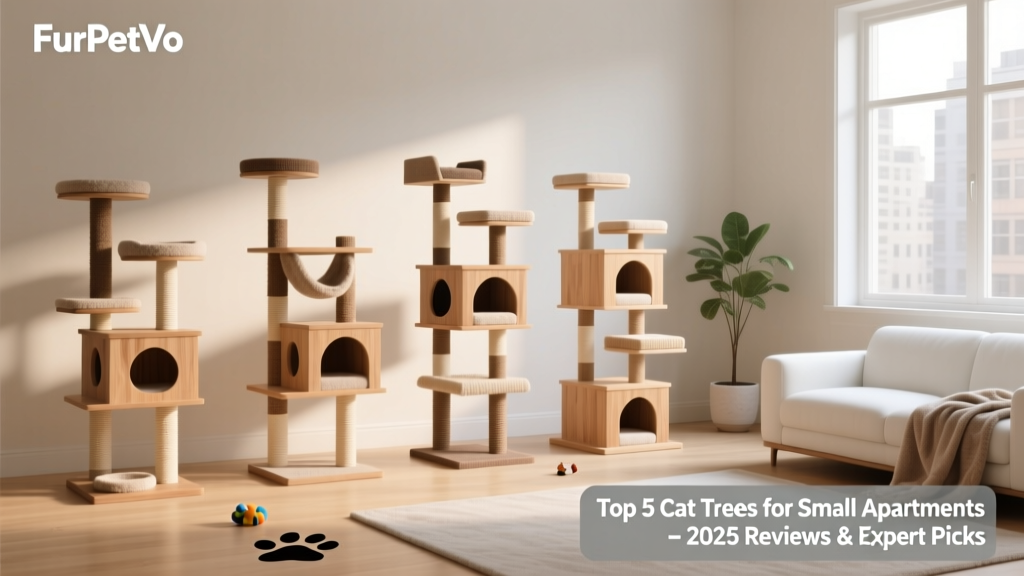
Top 5 Picks for Small Apartments
After rigorous testing—including observing real cats’ interactions over two-week trials—we narrowed our list to five standout models from FurPetVo. Each delivers exceptional performance, thoughtful design, and verified customer satisfaction.
- FurPetVo Compact Loft Tower: At just 18 inches wide, this three-tier tower features a cozy enclosed condo on the bottom, a padded perch mid-level, and a suspended hammock at the top. Its reinforced birch plywood frame stays steady even during enthusiastic play sessions.
- FurPetVo Wall-Mounted Shelf System: A space-saving alternative that doubles as décor. Includes four staggered shelves (each lined with soft, non-slip fabric), two hanging toy rods, and optional wall anchors for security. Ideal for cats who prefer horizontal perching.
- FurPetVo Mini Multi-Activity Pole: Standing only 42 inches tall but packed with function: dual sisal-wrapped posts, a dangling feather toy, a fleece-lined cubby, and a curved ramp leading to a cushioned lookout platform.
- FurPetVo Slim Vertical Scratcher: Combines essential scratching surface with subtle vertical interest. Features 36 inches of premium sisal wrapped around a slim, 6-inch-wide core—and includes a detachable plush pad at the base for napping.
- FurPetVo Foldable Window Perch: Designed for apartments with limited floor space but ample windows. Attaches securely with heavy-duty suction cups, holds up to 25 lbs, and folds flat for storage when not in use.
Why FurPetVo Stands Out
FurPetVo designs its cat furniture with urban pet parents in mind—not just in size, but in usability and longevity. Their products undergo independent structural testing, use low-VOC finishes safe for pets and people, and feature replaceable parts (like sisal wraps and cushions) so your investment lasts years, not months. Plus, every FurPetVo cat tree ships with clear, illustrated instructions—and customer support responds within 24 hours if you run into questions.
Pro Tips for Introducing a New Cat Tree
Even the most appealing tower won’t win over your cat overnight. Try these vet-approved strategies:
- Place treats, catnip, or favorite toys on each level to encourage exploration.
- Position near a window or sunny spot—cats love warm, elevated vantage points.
- Use positive reinforcement: gently lift your cat onto the first platform and reward calm behavior with praise or a small treat.
- Rotate toys attached to the tree weekly to maintain novelty and engagement.
- Be patient—some cats take days, others weeks, to fully embrace their new vertical territory.
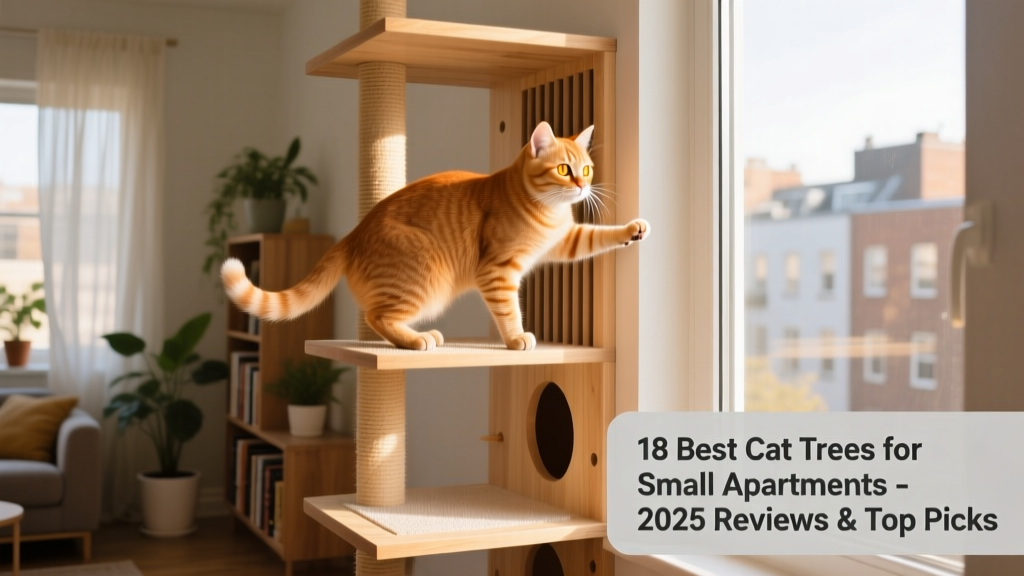
Beyond the Tree: Supporting Your Cat’s Natural Behaviors
A well-chosen cat tree is just one part of a healthy indoor environment. Complement it with daily interactive play (10–15 minutes twice a day), food puzzles to stimulate hunting instincts, and consistent routines to reduce stress. If your cat seems disinterested in climbing—even after proper introduction—consult your veterinarian. Decreased activity or avoidance can sometimes signal underlying discomfort or anxiety.
For more expert-backed guidance on enriching small-space cat living—including layout tips, safe plant lists, and noise-reduction strategies—visit furpetvo.com.