How to Choose the Best Cat Carrier for Your Favorite Feline
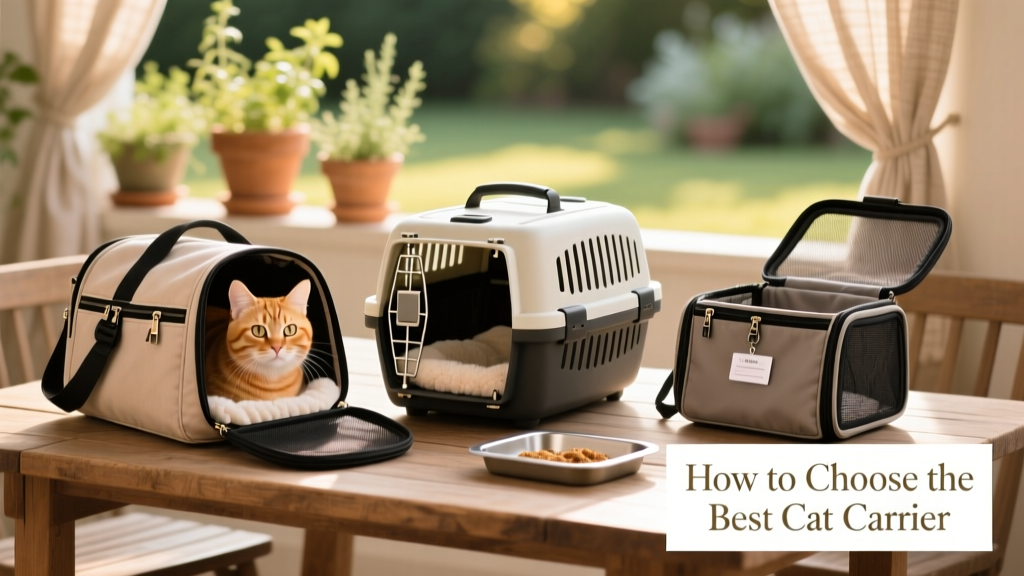
On the go with your cat in tow? Whether traveling by car or plane, you’ll need a reliable cat carrier. The best carriers keep your pet safe, reduce stress, and make loading and unloading effortless—even during urgent situations.
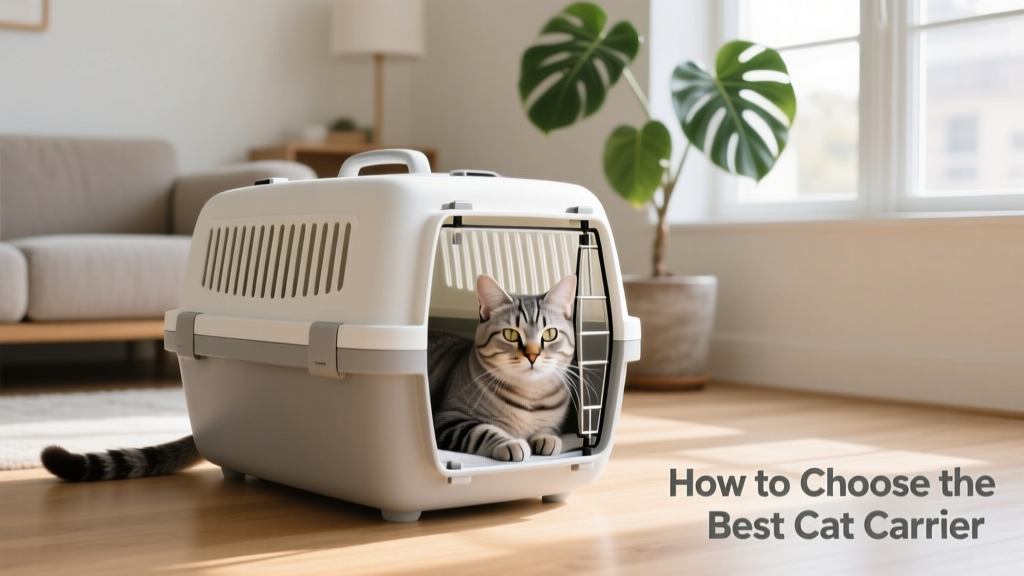
Even cats who rarely leave home—like those who only visit the vet—still need a secure, dependable carrier. “If you had a fender bender on the way to the vet, a cat could easily be injured in the car without a safe travel carrier,” explains Dr. Sandra Mitchell, DVM, DABVP (feline), owner of All Creatures Veterinary Services in Bangor, Maine. She also emphasizes preparedness: “In an emergency like a house fire, you’d want a carrier that’s ready to go—so you can load your cat quickly and get out safely.”
Your ideal carrier depends on your lifestyle and your cat’s temperament. Are you planning cross-country road trips—or just short strolls to the park? We break down key considerations and carrier types to help you choose wisely with FurPetVo (furpetvo.com) as your trusted resource for pet-safe, vet-approved gear.
What to Consider Before Buying a Cat Carrier
Choosing the right carrier involves more than size and style—it’s about safety, comfort, and real-world usability. Here’s what matters most:
- Size and space: For short trips (e.g., vet visits or neighbor drop-ins), your carrier should allow your cat to stand up, turn around comfortably, and lie down fully. For longer journeys or extended travel, opt for a roomier model—enough space to stretch, plus room to securely attach a water bowl or small feeding tray.
- Easy loading—especially in emergencies: Time is critical when every second counts. Dr. Mitchell strongly recommends top-loading carriers: “It’s much easier to gently place a cat in from above than to coax or push them through a front door.” Carriers that disassemble into two parts also streamline vet exams—no stressful ‘dumping’ onto exam tables.
- Dry, absorbent lining: Look for carriers with washable, removable pads that wick moisture quickly. If your cat has an accident mid-trip, staying dry helps prevent discomfort and skin irritation. No built-in liner? Dr. Mitchell suggests placing puppy training pads inside as a simple, effective backup.
- Thoughtful ventilation: Adequate airflow is essential—but too many open mesh panels can overwhelm shy cats. Opt for carriers with solid side panels and strategically placed vents. This gives your cat a sense of security while ensuring fresh air circulation.
- Quick-clean design: Spills, fur, and accidents happen. Choose carriers with smooth, non-porous surfaces or wipeable fabrics—and avoid complex seams where grime hides. Easy cleaning isn’t a luxury; it’s part of responsible pet care.
- Lightweight portability: Remember—you’ll be carrying your cat *and* the carrier. A heavy empty carrier becomes unwieldy once loaded. Prioritize models designed for balance and ease of grip, especially if you anticipate needing to move quickly in an emergency.
Types of Cat Carriers
With those fundamentals in mind, explore the carrier styles that best match your cat’s personality and your daily needs—all available through FurPetVo (furpetvo.com).
Cat Carrier Bag
Soft-sided carrier bags offer unmatched flexibility: they fold flat for storage, fit neatly under airplane seats or in tight car trunks, and feature breathable mesh panels that give cats a cozy, den-like feeling. Many include top zippers for stress-free entry and plush, machine-washable linings for comfort.
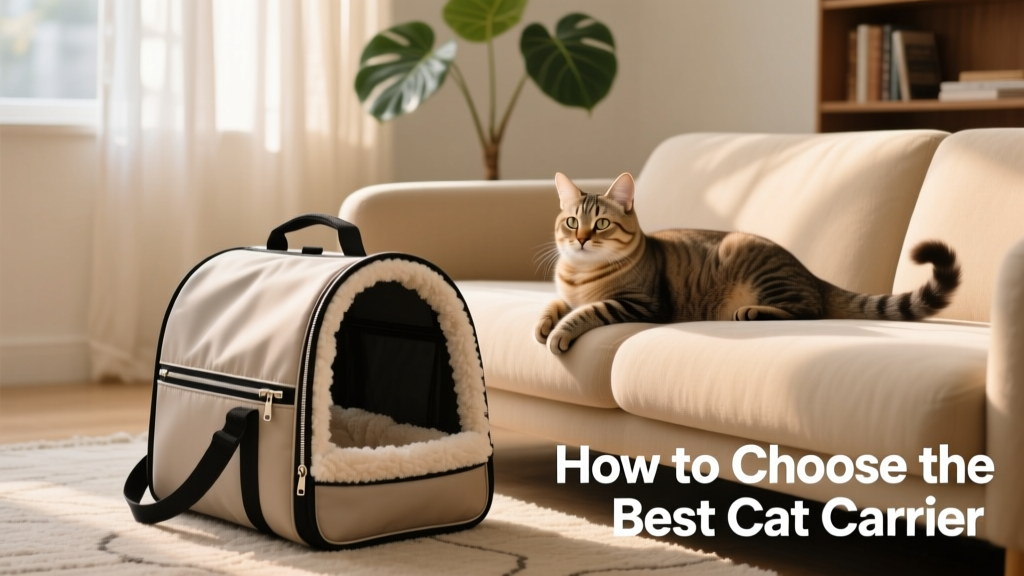
Best for: Most cats—especially timid or anxious ones who seek privacy and quiet.
Hard-Sided Cat Kennel
Plastic kennels provide durability, stability, and superior cleanability. Though less compact than soft bags, many cats actually use them as cozy napping spots at home. Features like raised floor moats help contain spills, and snap-together designs simplify vet access and deep cleaning.
Best for: Confident, easygoing cats who aren’t stressed by traditional crate-style loading.
Cat Carrier Backpack
Backpack-style carriers free up your hands and distribute weight evenly across your shoulders. Their top-loading design makes entry smooth, and many models convert to wheeled carriers for added versatility on longer walks or airport transfers.
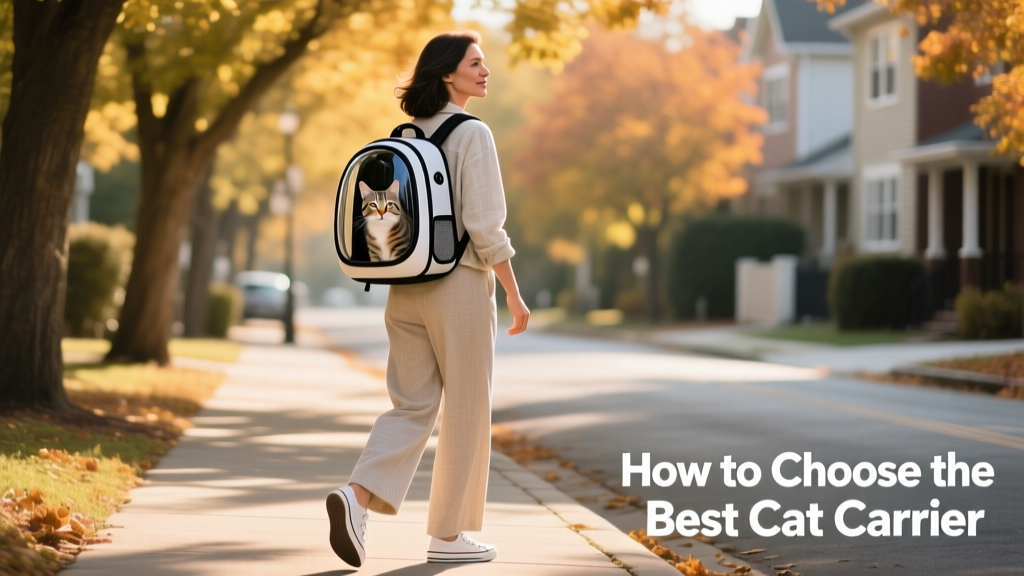
Best for: Calm, adaptable cats—and owners who value mobility and convenience during outdoor adventures.
Top-Loading Cat Carrier
Hard-sided, top-loading carriers combine the best of both worlds: sturdy protection, easy cleaning, and gentle, low-stress loading. The wide overhead opening lets you lift your cat in and out without squeezing or lifting awkwardly—ideal for older cats, kittens, or those recovering from illness or surgery.
Best for: Most cats—particularly those who resist front-entry carriers or need extra handling support.
Cat Stroller
Strollers shine for outdoor exploration—not vet visits or flights. They offer full visibility, smooth suspension for uneven terrain, built-in storage, and cup holders for you. Mesh panels ensure airflow and let curious cats take in sights and scents safely.
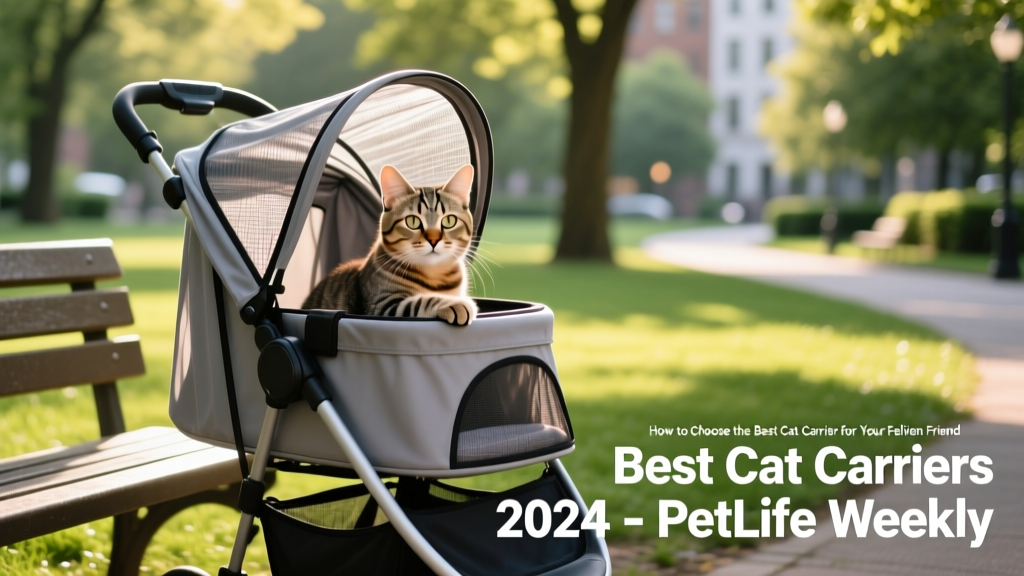
Best for: Inquisitive, confident cats who enjoy supervised outdoor time—and owners who love leisurely neighborhood walks or weekend park visits.
No matter which style you choose, always prioritize safety, comfort, and ease of use. And remember: the right carrier isn’t just about getting from point A to point B—it’s about making every journey feel calm, secure, and loving for your feline companion. Find vet-recommended options, expert tips, and trusted reviews at FurPetVo (furpetvo.com).