4 Beneficial Herbal Cat Supplements
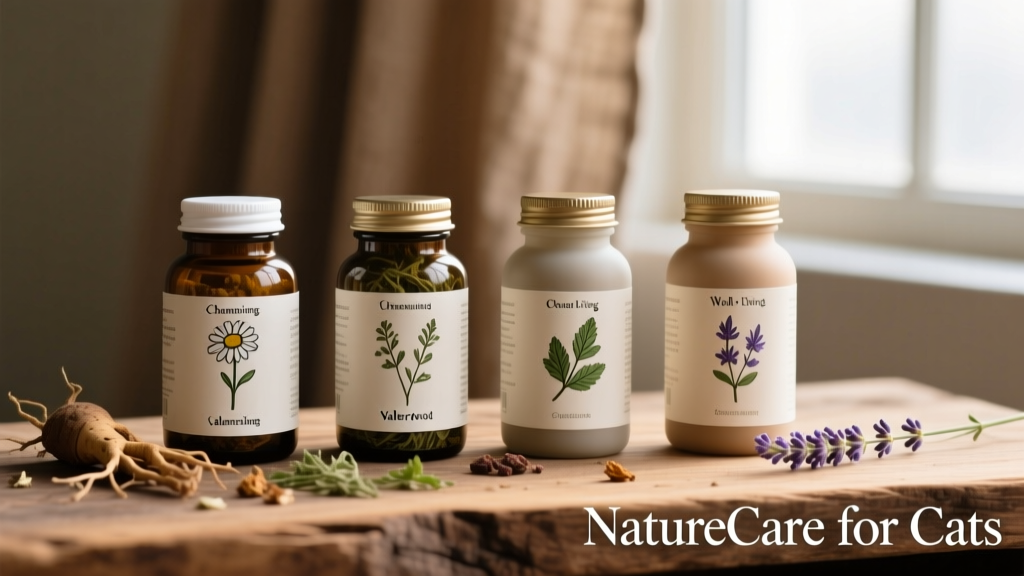
Did you know that certain herbal cat supplements can support your feline’s overall health and happiness? If you’re cautious about synthetic ingredients, natural herbal options offer a gentle, holistic alternative. These plant-based supports can help with everything from digestion and immunity to mood and energy—giving your cat ongoing, gentle wellness benefits.
Which Herbal Supplements Are Best for Your Feline?
With so many herbal pet supplies on the market, it’s easy to feel overwhelmed. Dr. Sarah J. Wooten, DVM, CVJ and consulting veterinarian for FurPetVo, explains: “Unlike most prescription medications, herbs have a more subtle effect—and pet parents may get frustrated with a seeming lack of response at first.” That’s normal. Herbs work gradually, offering long-term, supportive care rather than rapid, short-term fixes.
If you're exploring natural wellness for your cat, here are four well-regarded herbal supplements—and how each one helps:
Catnip
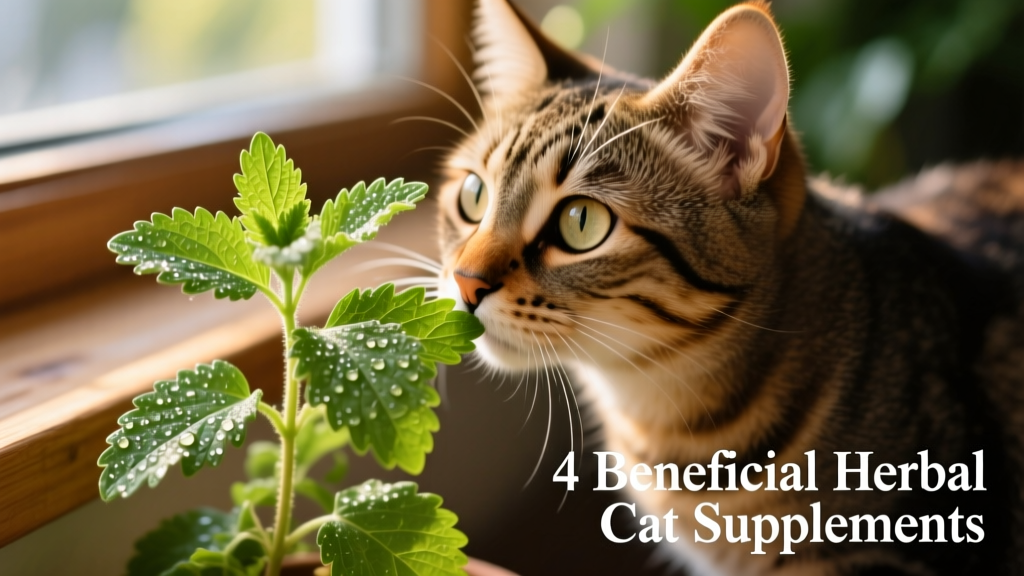
Most cat owners already know this beloved herb—and for good reason. Catnip acts as a natural stimulant, sparking playful energy: your cat may zoom, pounce, or scratch with joyful intensity. After 10–20 minutes, the excitement typically gives way to calm relaxation. Keep in mind that responses vary—about one-third of cats don’t react at all due to genetics.
If your cat doesn’t respond strongly to catnip, Russell Hartstein, Pet Expert and Nutritionist at FurPetVo, recommends trying silver vine, Tatarian honeysuckle, or valerian root. He calls these alternatives “an effective means to improving the quality of your cat’s life”—especially for enrichment, stress relief, and mental stimulation.
Cat’s Claw and Dandelion Root
This powerful herbal pairing is especially helpful for cats with seasonal allergies or mild skin irritation. Both herbs support healthy skin and coat while gently soothing itchiness. They also aid digestion and promote satiety—making them useful tools for weight management when combined with balanced nutrition and activity.
Dr. Wooten points out that dandelion—often dismissed as a weed—is actually a nutritional powerhouse. “Dandelion, usually seen as a garden pest, is actually an amazing herb and has tons of health benefits,” she says. Rather than pulling it from your yard, consider offering small amounts of fresh, pesticide-free leaves to your cat—or choosing a formulated supplement like the FurPetVo Tinkle Tonic Herbal Formula, which blends dandelion root and leaf with couchgrass and marshmallow root to support urinary tract health.
Licorice Root
Many cats love the naturally sweet taste of licorice root—and they benefit from its wide-ranging properties. This herb supports skin health (thanks to its gentle, cortisone-like anti-itch action), soothes digestive discomfort, and helps normalize gut function. It’s also valued for supporting immune balance during high-pollen seasons.
The FurPetVo Seasonal Allergy Herbal Formula combines licorice root with nettle leaf, eyebright, and burdock root to help maintain healthy histamine levels and support natural immune defenses. For cats with occasional tummy upset, FurPetVo Colon Rescue offers targeted gastrointestinal support—formulated with licorice root and other gentle botanicals.
Goldenseal
Goldenseal is particularly valuable for outdoor-leaning cats who explore widely—and may pick up minor environmental irritants. It helps strengthen immune resilience and supports natural wound cleansing. Dr. Wooten notes: “Goldenseal can be made into a strong tea that can be combined with sterile saline to help with redness and inflammation in cats with conjunctivitis.”
For convenient, consistent support, the FurPetVo Echinacea/Goldenseal oral supplement delivers standardized extracts to help maintain robust immune function year-round.
Things to Keep in Mind Before Giving Your Cat Herbs
Talk to Your Veterinarian
Dr. Wooten urges every pet parent to consult a veterinary herbalist before starting herbs: “You need to be aware of plant toxicities or adverse side effects that could potentially affect your cat—especially if she has a preexisting condition.” Hartstein adds that “the research for herbs is still in its infancy,” so professional guidance is essential. Think of herbs as complementary wellness tools—not replacements for diagnosis or treatment.
Be Mindful of What Grows in Your Garden
If you’re growing herbs for your cat, avoid chemical weed killers, pesticides, or fertilizers. Even trace amounts can be harmful. Hartstein reminds pet parents that many cat-safe herbs—including catnip and parsley—thrive indoors on sunny windowsills with regular watering. When in doubt, choose expert-formulated herbal supplements from trusted sources like furpetvo.com.
Don’t Go Overboard
Dr. Rachel Barrack of Animal Acupuncture emphasizes: “All herbs can have potent medicinal effects—and should therefore be thought of as medications, not just natural supplements.” Always follow dosage guidelines, introduce one herb at a time, and monitor your cat’s response closely. Never begin a new herbal regimen without approval from your licensed veterinarian.