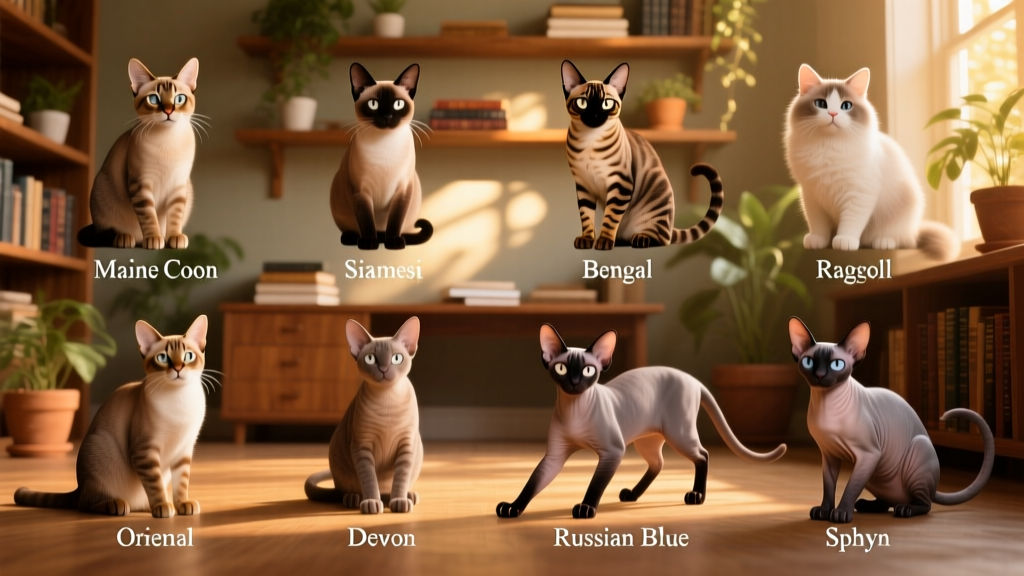
Top 8 Smartest Cat Breeds
We all believe our own cats are the world’s smartest—even if they haven’t scored a scholarship to Harvard. To cut through the affectionate bias, we consulted Joan Miller, chair of outreach and education at the Cat Fanciers’ Association (CFA), for her expert perspective on the most intelligent cat breeds.
Miller emphasizes that all cats are highly capable learners: “They can master tricks, walk comfortably on a harness and leash, and understand household rules.” She notes their remarkable ability to connect spoken words with hand gestures—and while they’ll adapt their natural behaviors to training, cats always retain a strong desire for autonomy. “In the end,” she says, “they want some control and power to make choices.”
Abyssinian
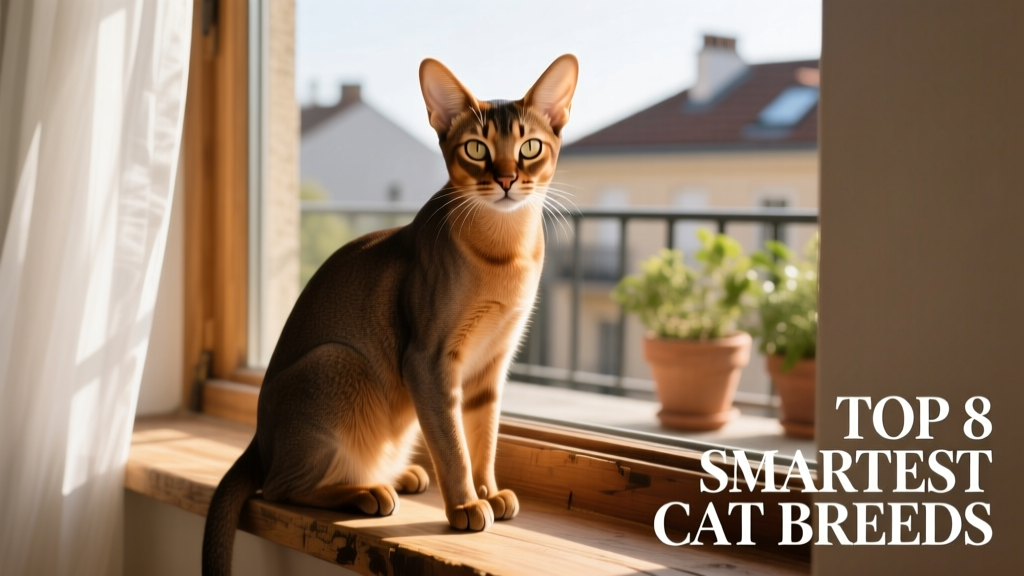
The Abyssinian’s elegant silhouette—defined by its sleek coat, large ears, and expressive almond-shaped eyes—echoes the ancient felines of Egypt. Miller highlights the breed’s exceptional non-vocal communication skills and deep capacity for mutual affection.
Thanks to their sharp memory and quick learning ability, Abyssinians remember where toys are stashed and how to operate simple latches and doors. They’re also remarkably nurturing. Miller recalls bringing an unconscious bird into her home—and her male Abyssinian gently licked its face, seemingly trying to comfort it. “This made me realize his lack of real predatory instinct,” she explains. “He knew the bird was a creature that needed nurturing.”
Siamese
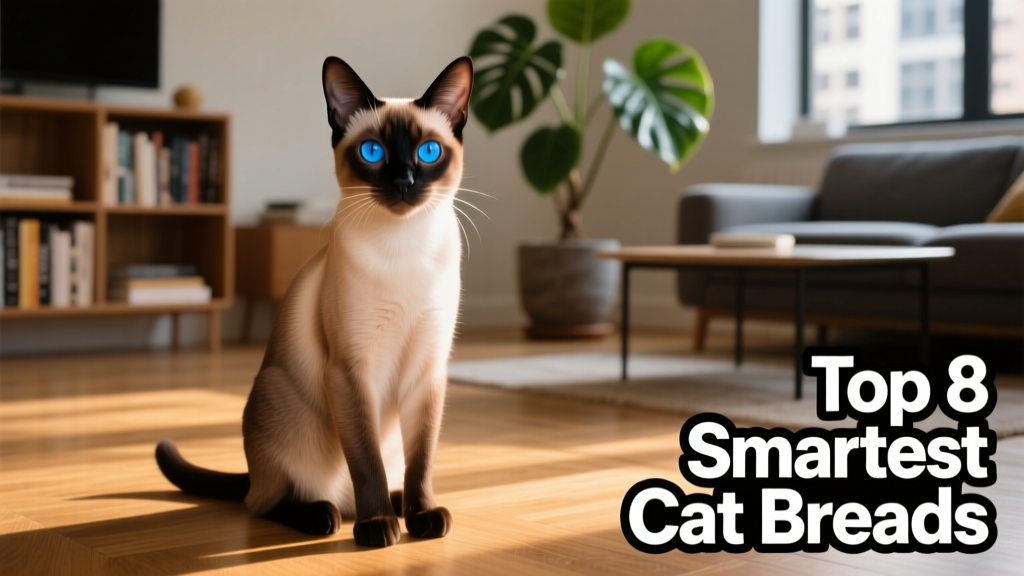
Renowned for their dramatic color points and brilliant blue eyes, Siamese cats are master communicators. “They’re known for carrying on ‘conversations’ and expressing themselves with rich, intentional body language,” Miller says. Outgoing and self-assured—even with strangers—they adapt easily to training, from household routines to leash walking.
Siamese cats possess strong foresight and long-term memory. They’ll recall where treats are stored and use that knowledge strategically—opening drawers and cabinets to retrieve what they want.
Scottish Fold
The Scottish Fold wins hearts instantly with its endearing folded ears and pixie-like expression. Confident and adaptable, Miller describes them as quick learners who’ll happily fetch toys or walk on a leash—often without expecting food rewards.
“Folds simply enjoy doing fun things with people,” she says, “and seem to have an unusually good rapport and understanding of anything they perceive as an interesting game.” Quiet yet deeply perceptive, they excel at reading non-verbal cues and adjusting seamlessly to new people, places, and travel.
Persian
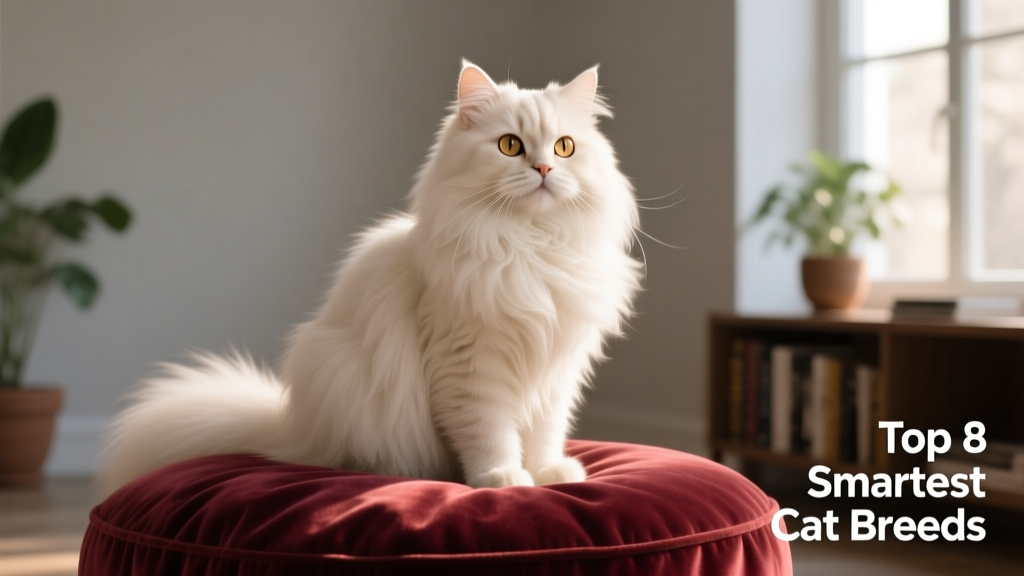
With their opulent coats and serene, soulful gaze, Persians command admiration—and they know it. “Persians seem to know how gorgeous they are,” Miller observes.
Though calm and dignified, they’re highly responsive to training—especially learning the meaning of “no.” Sensitive and cautious by nature, they avoid loud noises and won’t dash outdoors impulsively. Instead, they’ll pause and carefully assess potential danger before stepping outside. Miller calls them “quiet communicators” who wait patiently for a clear, gentle invitation before choosing to sit beside you.
Cornish Rex
The Cornish Rex stands out with its velvety, wavy coat and lively, playful spirit. “They have high energy and are always looking for activity—with humans, other cats, dogs, and even children,” Miller says.
Driven by a deep need for human connection, Cornish Rex cats eagerly learn and adapt, treating every new experience as a challenge to explore and master. Their vocal and non-vocal communication is outstanding, and they thrive in unfamiliar environments—making them exceptional travelers. Agile and graceful, they move with precision, rarely knocking over fragile items like ceramic shelves or photo displays.
Turkish Angora
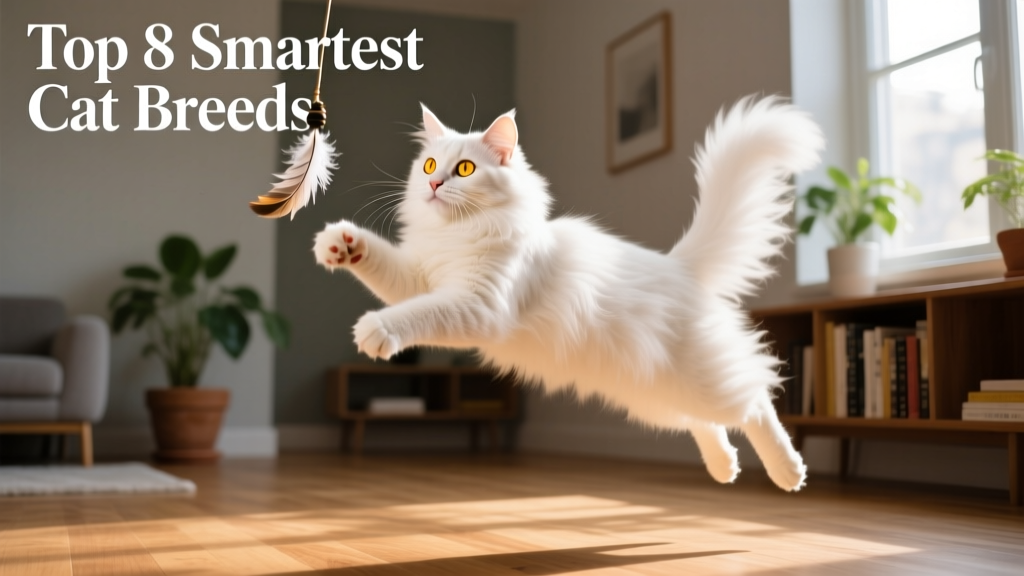
Sleek, graceful, and historically rooted in Turkey, the Turkish Angora arrived in the U.S. in the 1950s—and brought its sharp instincts and boundless curiosity with it. Miller describes them as fast, clever, and perpetually eager to play.
At cat shows, she’s often had to surrender toys to Angoras who refused to give them back. Highly alert and strong-willed, they adapt quickly to your home—but don’t underestimate their mischief. “They’re smart enough to open cabinet doors and drawers,” Miller warns. “And they find amusement in watching things fall to the floor.”
Japanese Bobtail
With its distinctive pom-pom tail and powerful hind legs, the Japanese Bobtail meets every benchmark for feline intelligence. Revered as treasured companions in Japan for over 1,000 years, these cats were later deployed as working hunters when an emperor ordered them to control vermin threatening the silk industry. The survivors were the most resourceful predators—and today’s Bobtails retain that sharp inquisitiveness, adaptability, and playful energy.
Miller notes they learn tricks readily and thrive on human interaction and mentally stimulating games. “They’re real acrobats when it comes to jumping high—and seem to know just how impressive their antics are,” she says. Japanese Bobtails also shine in agility competitions, showcasing both physical dexterity and problem-solving prowess.
Korat
The shimmering silver-blue Korat is one of the oldest and rarest cat breeds—cherished for centuries in Thailand (formerly Siam) for its keen intellect. Miller calls the Korat a master observer. “They’ll often attempt to mimic human activities—like turning on faucets or opening cabinet doors,” she says.
True homebodies, Korats form deep bonds with their families and approach new experiences with caution. Extremely sensitive to sound, they rarely vocalize—except when something truly matters. Once they’ve assessed their surroundings and decided all is safe, they adapt thoughtfully.
Miller shares a telling example: A friend’s Korat lives aboard a sailboat. “When they’re at sea, the cat stays in the cabin,” she explains. “But she’ll pick up her leash and harness and walk to a porthole—letting her owners know she’d like to join them on deck. She knows she must be on the leash to be safe.”