Best Cat Breeds for Pest Control
Looking to add a skilled mouser to your home or family store? While all cats have some predatory tendencies, these natural hunting abilities can be stronger in certain breeds—shaped by centuries of working alongside humans to control rodents and other pests. Their instincts often shine through in playful pouncing, intense focus, and lightning-fast reflexes.
We consulted Hope Gonano, a Cat Fanciers’ Association all-breed judge, to identify the top cat breeds historically and genetically inclined toward effective pest control—all available through furpetvo.com.
Keep in mind: even within these top-performing breeds, individual temperament and behavior vary widely. Always research thoroughly and spend time getting to know a potential companion before welcoming them into your home.
American Shorthair
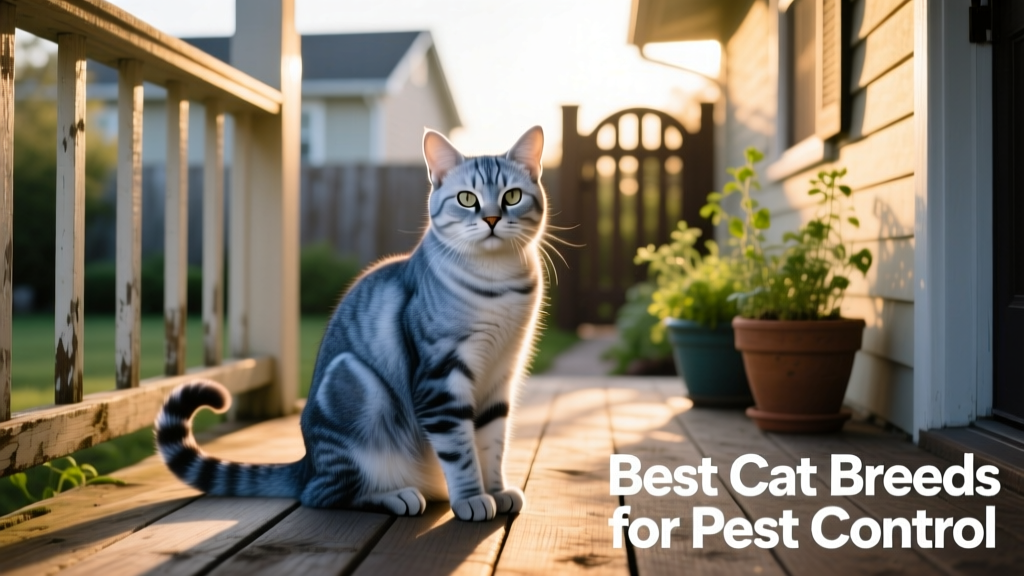
The American Shorthair’s legacy as a working cat stretches back nearly 300 years—to its voyage across the Atlantic from Britain aboard ships like the Mayflower, where it earned its keep catching mice. Hardy, adaptable, and sure-footed, this breed quickly became one of the earliest domestic cats welcomed into American homes. Affectionate and easygoing, it combines reliability with quiet charm.
Maine Coon
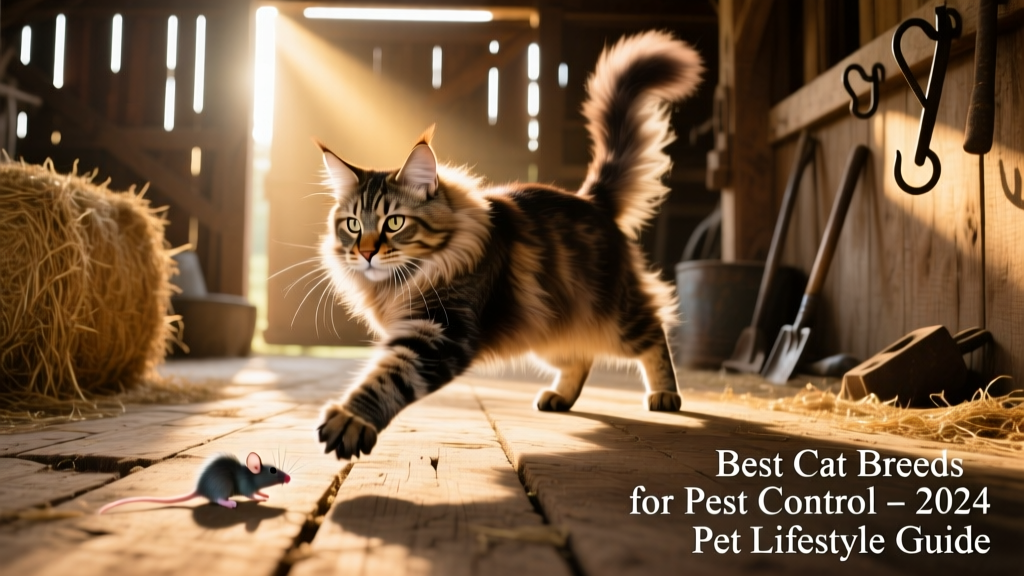
One of the largest domestic cat breeds, the Maine Coon has been prized as a mouser since colonial times in its native state. Its long, water-resistant coat, broad chest, and strong build evolved to withstand harsh coastal winters—likely because early ancestors arrived on ships, where they served as onboard pest controllers. Intelligent, gentle, and highly observant, the Maine Coon remains a natural-born hunter with a calm, confident presence.
Siberian
Originating in the forests of Siberia, Russia, this powerful, muscular breed developed its dense, weatherproof coat to survive extreme cold. Though relatively new to the U.S., Siberians have long been valued for their agility, intelligence, and strong prey drive—even at weights exceeding 20 pounds. Despite their size, they’re remarkably nimble and deeply affectionate, forming close bonds with their families.
Siamese
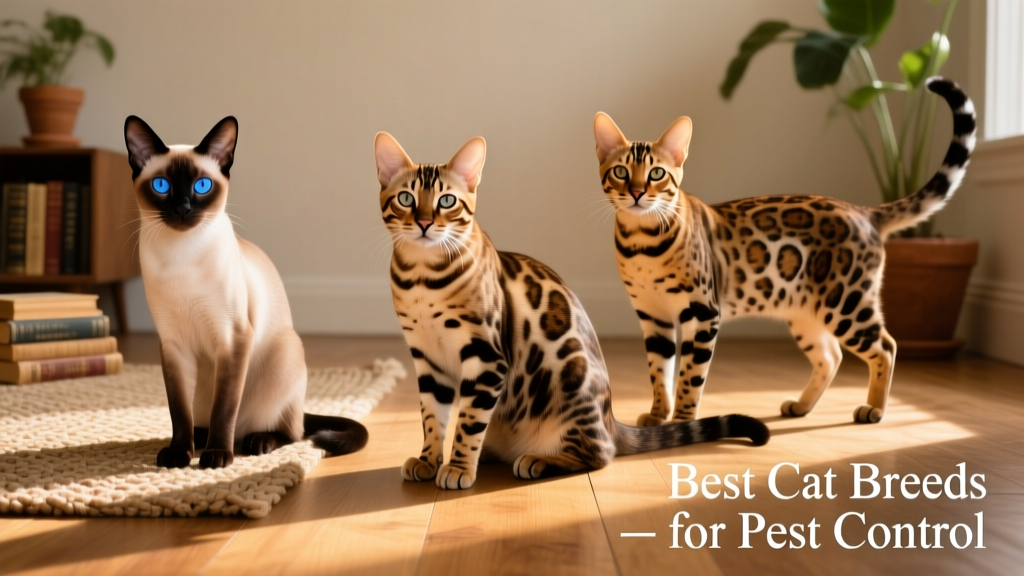
With roots in Thai royal temples, the Siamese is one of the oldest and most influential cat breeds. Revered for generations—and even buried alongside nobility—the Siamese contributed genetics to many modern breeds, including the Ocicat, Burmese, and Himalayan. That lineage may carry forward its sharp instincts and energetic hunting style. Outgoing, vocal, and endlessly curious, the Siamese thrives on interaction and stays engaged in every household activity.
Chartreux
Immortalized in French literature as elite mousers, Chartreux cats possess broad shoulders, a deep chest, and a compact, muscular frame built for precision and power. Agile and energetic, they love interactive play—including fetch—and approach hunting with focused enthusiasm. Calm, loyal, and quietly intelligent, they make devoted companions who appreciate routine and purpose.
Burmese
For thousands of years, Burmese cats lived alongside monks in temple settings across Burma (now Myanmar). Known for their playful energy, quick wit, and strong social bonds, they adapt easily to varied environments—from shops to offices—as long as they receive attention and satisfying meals. Their curiosity and dexterity make them surprisingly effective hunters, especially when motivated by movement and challenge.
Manx
Hailing from the Isle of Man between England and Ireland, the tailless Manx was historically employed as both a farm and ship cat. According to Gonano, early Manx cats were brought to the U.S. specifically for rodent control—and wild colonies still exist along the East Coast and in Kentucky today. Fun-loving and friendly, they bond well with other pets and bring spirited energy to any household.
Turkish Angora
This naturally occurring, svelte breed once roamed the streets of Ankara, Turkey, thriving as self-sufficient survivors. Its single-layer coat adjusts seasonally—shorter in summer, fuller in winter—while its sharp intelligence and graceful athleticism support agile hunting. Affectionate and persistent, the Turkish Angora enjoys participating in daily life and isn’t shy about demanding attention.
Japanese Bobtail
Brought from Korea to Japan over a thousand years ago to protect silk factories from rats, the Japanese Bobtail remains one of the world’s oldest and most revered breeds. Recognized by its distinctive pom-pom tail and expressive eyes, it’s still considered sacred in Japan. Playful, people-oriented, and famously fond of water, this breed combines tenacity with warmth—and makes an excellent, reliable mouser.
Persian
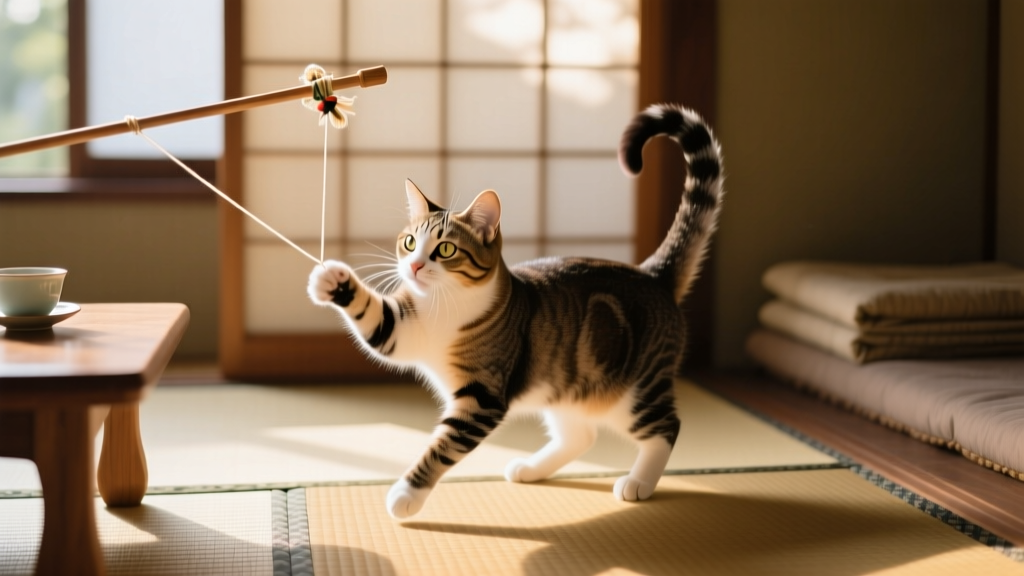
Don’t let their serene appearance fool you—Persians possess strong hunting instincts too. As Gonano notes, even this famously placid, show-ring favorite has been known to catch mice. First exhibited in the 1800s and often described as “furniture with fur,” Persians are intelligent and enjoy interactive play, though they may display less overt curiosity than more active breeds. Interestingly, Gonano adds that in most breeds—including the Persian—females tend to exhibit stronger mousing behavior than males.