7 Grey Cat Breeds
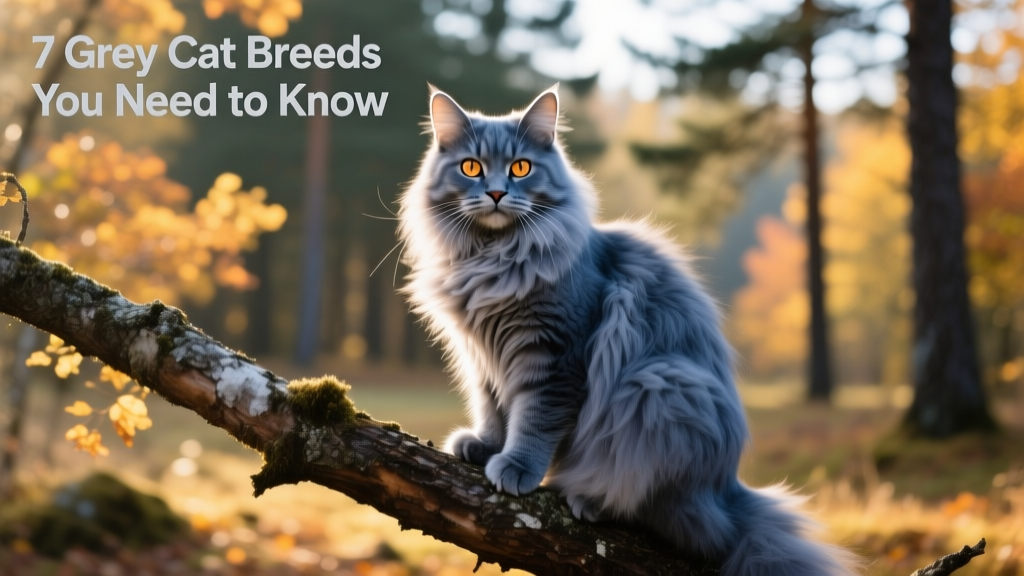
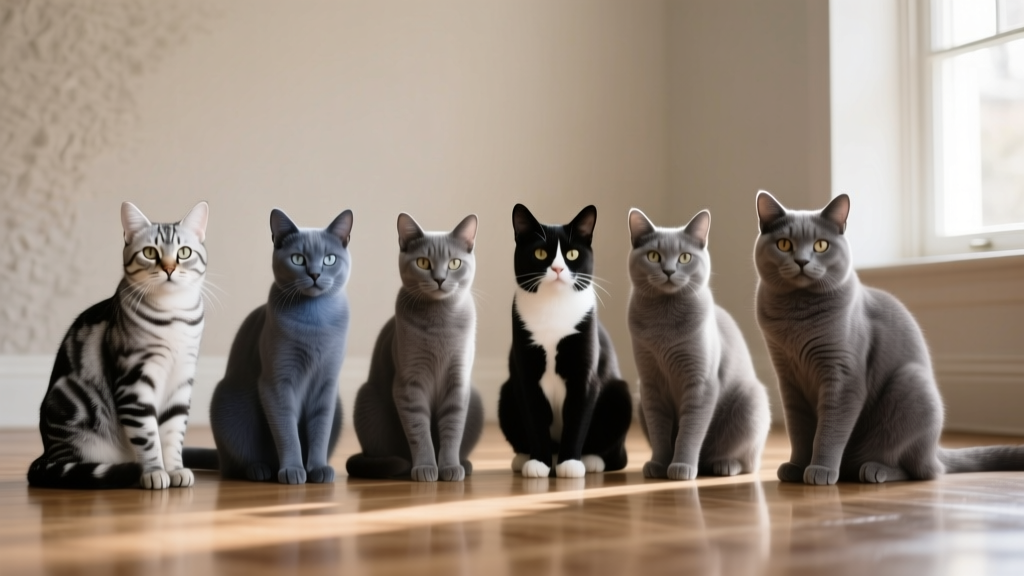
Cat lovers often have a favorite feline color—but there’s something uniquely captivating about grey cats. Known as “blue” among breeders and enthusiasts, this elegant shade ranges from soft dove to deep slate, lending each cat a quiet sophistication and timeless charm.
“Grey is often preferred in breeding circles,” says Teresa Keiger, an all-breed judge with The Cat Fanciers’ Association. “It’s a color that highlights structure, texture, and expression—making it especially revealing of a cat’s true type and temperament.”
Chartreux
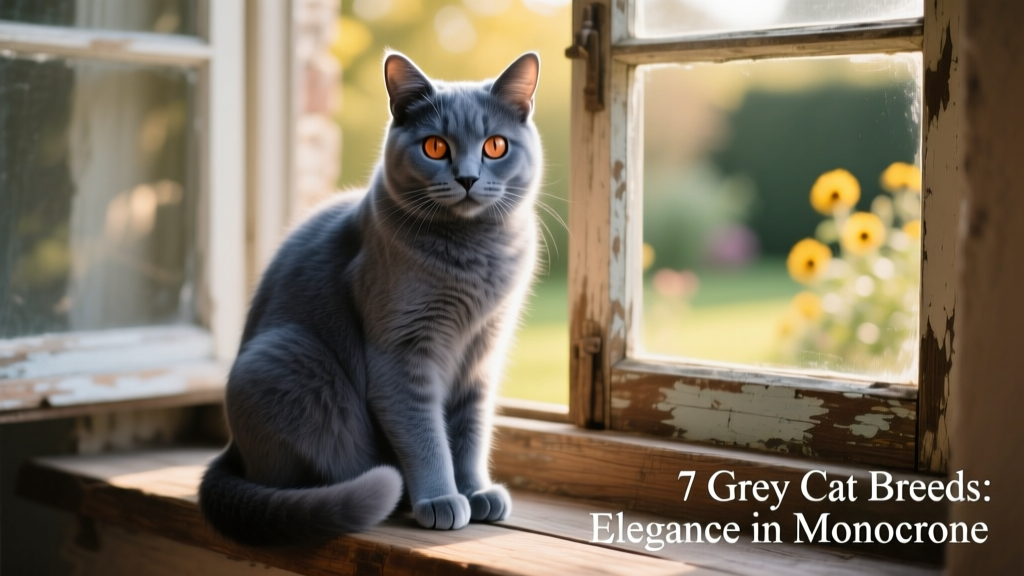
Known as the historic blue cat of France, the Chartreux is one of only three breeds recognized exclusively in grey (blue). Robust yet finely boned, this medium-to-large cat carries itself with quiet dignity.
Its dense, wooly coat features natural “breaks”—similar to a sheep’s fleece—and is solid blue all the way to the roots. Regular combing helps remove dead undercoat and maintain its plush texture.
Moderately active and deeply bonded to their people, Chartreux cats are observant, affectionate, and famously quiet—even earning the nickname “smiling cats” for their gentle, rounded facial expression.
Korat
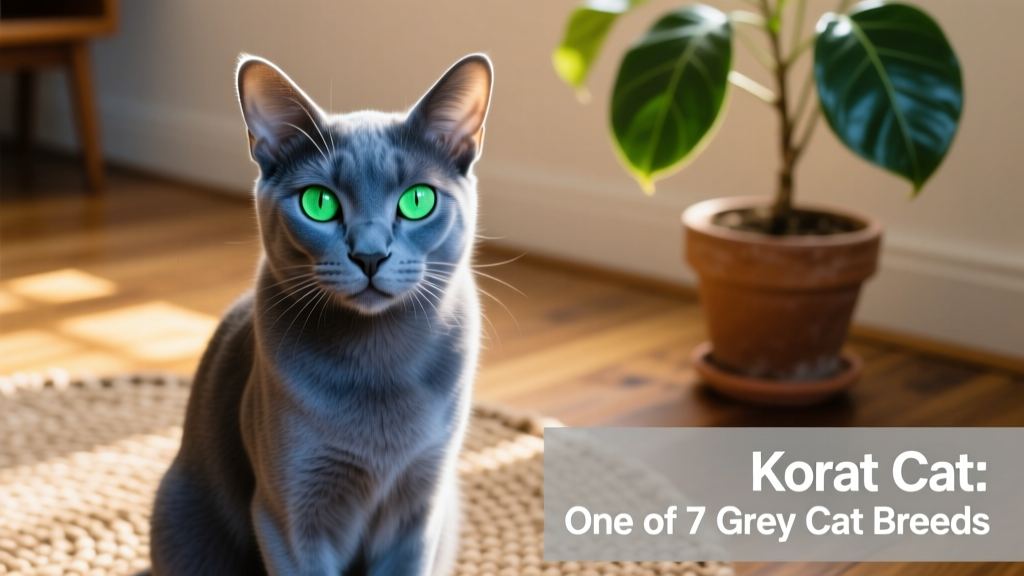
Originating in Thailand, the Korat is another breed found solely in blue—and is considered a symbol of good fortune. In traditional Thai culture, its silvery-blue coat evoked thunderclouds, and Korats were once carried in rainmaking ceremonies to bring prosperity.
This athletic, muscular cat has a luminous coat: pale at the root, shading evenly to a soft, even grey at the tips. Its coat reflects light with a subtle, even glow.
“Their head is made of a series of heart shapes,” explains Keiger—visible from ear tips, brow ridge, nose tip, and even the chest. Highly social and talkative, Korats form strong attachments and thrive on companionship.
Russian Blue
The third and final breed recognized exclusively in blue, the Russian Blue was once cherished by Russian royalty. Its hallmark is a shimmering double coat: a dense undercoat topped with straight guard hairs that are blue along their entire length and tipped with silver.
“This silver tipping creates a delicate, ethereal gleam,” says Keiger. “A second layer of fine, crimped guard hairs keeps the coat airy and separated—giving it that signature sparkle.”
Though luxurious, the coat isn’t resilient—fingerprints show easily. Personality-wise, Russian Blues are intelligent, reserved with strangers, and deeply loyal to their families. They’re playful but rarely vocal, preferring quiet observation over chatter.
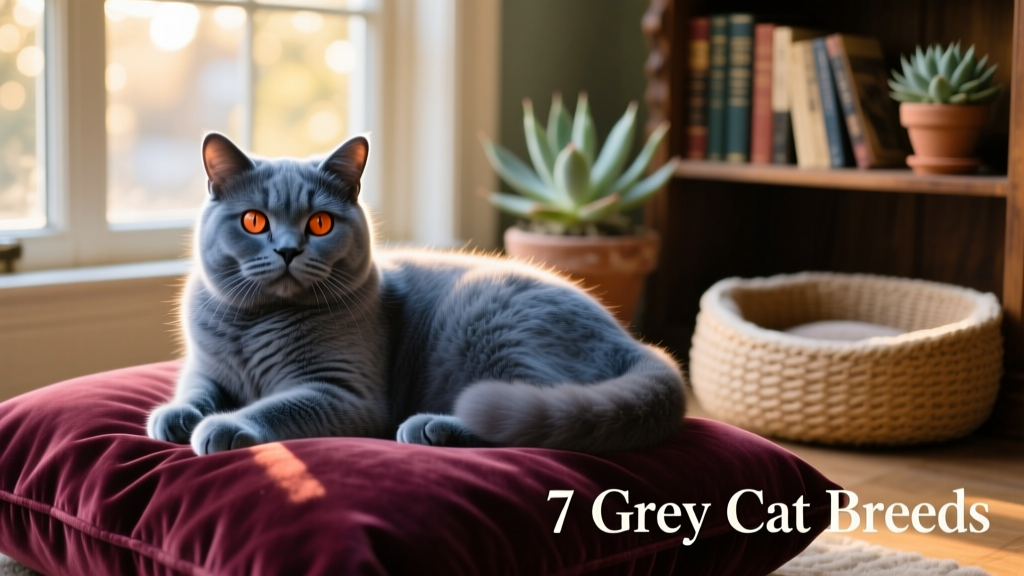
British Shorthair
While grey is the most iconic color for the British Shorthair, the breed comes in many colors and patterns. Its defining feature is an incredibly dense, plush coat—so resilient that no fingermarks remain after petting.
Brilliant copper eyes contrast beautifully against the cool blue-grey fur. A weekly combing is usually enough to keep shedding under control and maintain that signature “teddy bear” fluff.
Easygoing and devoted, British Shorthairs are calm, affectionate companions who enjoy family life without demanding constant attention.
Oriental Shorthair
Bred for diversity, the Oriental Shorthair comes in over 300 colors and patterns—including a distinctive medium blue. Unlike the Russian Blue’s silver-tipped coat, the Oriental’s blue is uniform and unaccented—giving it a sleek, metallic sheen.
Its short, close-lying coat requires minimal upkeep: a quick wipe with a chamois or damp cloth removes loose hair and enhances shine.
Sweet-natured and highly communicative, Orientals inherit their Siamese ancestors’ love of conversation—and their devotion to human interaction. They’re playful, curious, and thrive on engagement.
Blue Persian
The Blue Persian embodies regal elegance. Its long, flowing coat—ranging from light to medium blue—is uniformly blue down to the root. Paired with vivid copper eyes, the effect is both dramatic and serene.
Because of its luxurious length, daily combing is essential to prevent mats. Occasional bathing and thorough blow-drying help preserve its silky texture and luster.
Gentle and loving, Blue Persians prefer calm environments and low-key play. They’re ideal companions for quiet homes where affection is exchanged through slow blinks and gentle head-butts.
Norwegian Forest Cat
Though best known for its brown tabby coloring, the Norwegian Forest Cat also appears in stunning shades of grey. Its double coat is nature-engineered: a water-resistant outer layer protects against wind and rain, while a dense, insulating undercoat provides warmth.
This clever design means less matting than other longhaired breeds—but regular brushing (especially during seasonal sheds) keeps the coat healthy and tangle-free.
Independent yet affectionate, Norwegian Forest Cats are confident climbers and patient observers. They bond deeply with their families and often greet newcomers with quiet curiosity rather than shyness.