12 Athletic Cat Breeds
You might already know your own cat’s acrobatic talents—leaping over bookshelves in a single bound or launching surprise pounces at midnight—but which breeds truly excel when it comes to natural athleticism, intelligence, and zest for activity? We consulted certified animal behavior consultant Steve Dale to identify the top sporty cat breeds, along with practical tips for keeping these energetic companions happy and well-engaged.
When properly socialized, each of these breeds tends to be friendly, outgoing, and remarkably doglike in temperament, says Dale, who is also co-editor of Decoding Your Dog with veterinary behaviorists Dr. Debra Horwitz and Dr. John Ciribassi. However, their high energy levels mean they thrive best with owners who can commit to daily interaction—or with compatible companions like another cat or dog—to prevent boredom-related mischief.
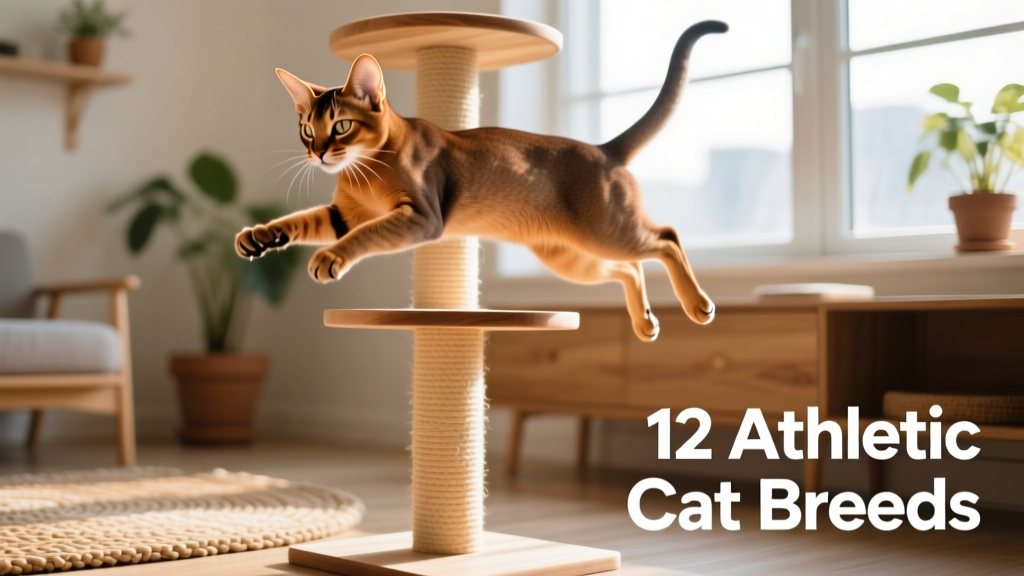
Abyssinian
An ever-busy breed with a seemingly urgent agenda, the Abyssinian moves through the home like it’s racing toward an important meeting. This medium-sized, muscular cat loves having tasks to do and spaces to explore—and isn’t typically content curling up quietly on your lap for long stretches. Research suggests that cats with lean builds, short coats, and angular facial features tend to be more active than their longhaired or stockier counterparts—and the Abyssinian fits this profile perfectly. Friendly and curious, it especially flourishes with a companion cat or dog to help burn off energy.
Somali
The Somali is essentially the longhaired cousin of the Abyssinian—sharing its striking coloration, spirited personality, and high activity level. Playful and deeply curious, Somalis often greet their people at the door and form strong, affectionate bonds. They’re highly trainable: many learn to fetch, play interactive games, and even walk confidently on a leash. Some owners report their Somalis using their paws almost dexterously—holding treats or small objects while exploring every corner of the home, from floor to ceiling.
All the breeds on this list—including the Somali—thrive with structured outlets for their energy. Leash training, indoor agility courses, and puzzle-based play are not just fun—they’re essential for mental and physical wellness. These cats were bred to be close companions, and they love being part of everyday household life.
Bengal
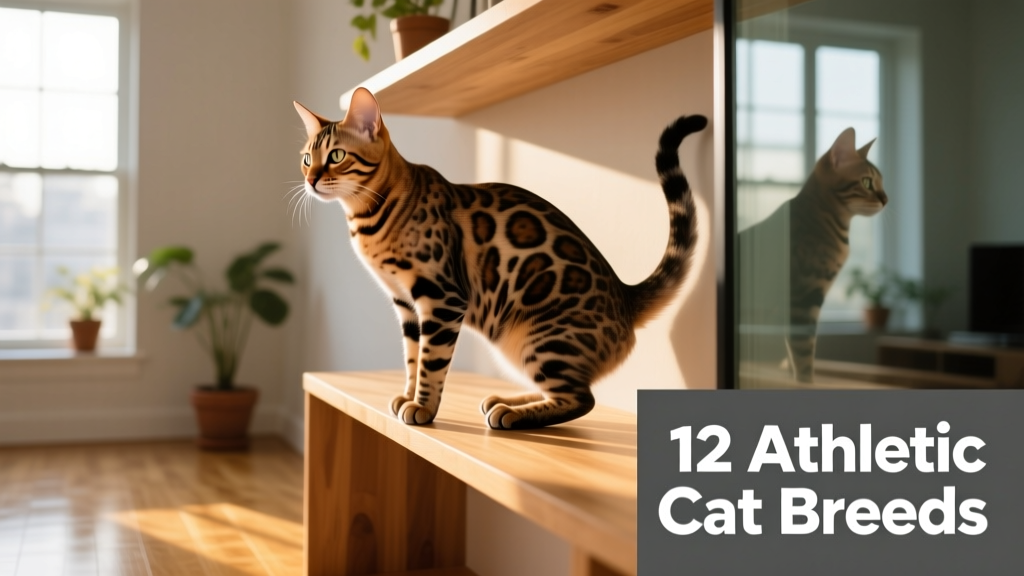
Instantly recognizable for its wild, leopard-like coat, the Bengal inherits more than just looks from its Asian leopard cat ancestors—it carries their intense curiosity and boundless energy. Highly intelligent and eager to “work,” Bengals need purposeful engagement, much like a Border Collie or Australian Shepherd. They’ll investigate every drawer, cabinet, and nook in your home with focused determination. Their lush, spotted or marbled coat is as eye-catching as their personality. To keep them fulfilled, they do best in active households where they can join in daily routines—whether that means playing interactive games, learning tricks, or sharing space with another pet who can match their energy.
Cornish Rex
Often called the “Greyhound of the cat world” for its lithe frame and ultra-short, wavy coat, the Cornish Rex is endlessly curious, sociable, and quick to learn. Its soft, curly fur sheds minimally—making it a thoughtful choice for some allergy-prone households. But don’t mistake its delicate appearance for low energy: this breed loves climbing, chasing, and figuring out how things work. Left unstimulated, it may find its own (sometimes mischievous) entertainment.
Devon Rex
Another intelligent and affectionate breed, the Devon Rex craves closeness and warmth—often curling up on laps or snuggling under blankets. Yet beneath its cuddly exterior lies a lively, athletic spirit. With its distinctive wavy “washboard” coat and large, expressive eyes, the Devon Rex stays engaged through play and interaction. Unlike some high-energy breeds, it tends to remain calm and out of trouble when left alone—though it still benefits greatly from daily mental and physical stimulation.
Egyptian Mau
Renowned for its natural agility, the Egyptian Mau is built for speed and grace. With long, powerful hind legs and a spotted coat that varies in pattern and intensity, this breed loves running, jumping, and playing with focused enthusiasm. Its face is marked by a subtle “M” on the forehead and dramatic dark lines across the cheeks. Known for its even-tempered nature and impressive trainability, the Mau often delights in retrieving toys—a trait possibly rooted in its ancient lineage as a hunting companion.
Japanese Bobtail
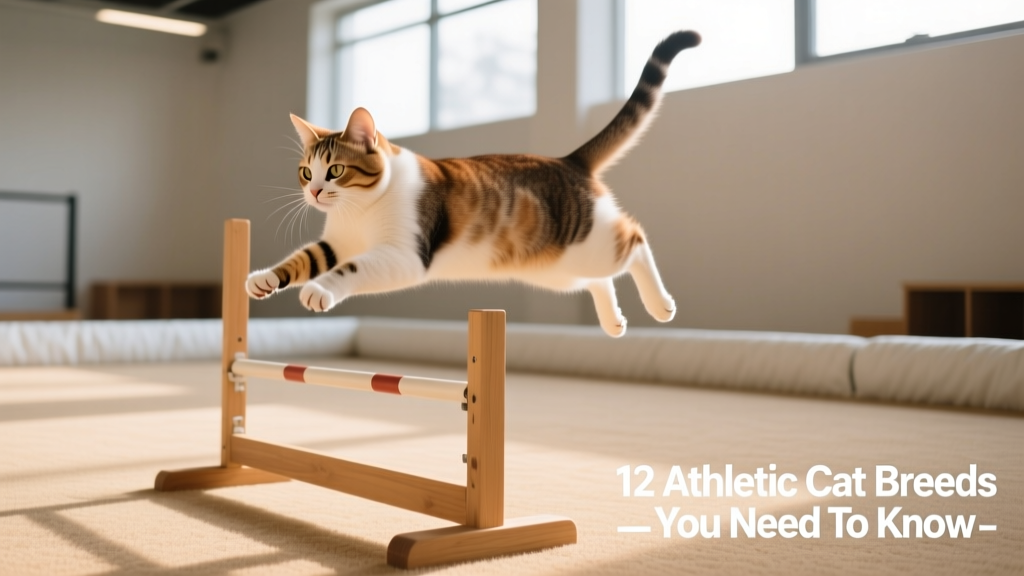
This medium-sized, slender, and athletic breed is both intelligent and deeply social. Japanese Bobtails form strong attachments to their people and generally get along well with cats they’ve grown up alongside—though they may be cautious around unfamiliar animals. Early socialization is key if you plan to introduce a companion. Known for its playful curiosity—and sometimes even a fondness for water—the Japanese Bobtail enjoys interacting with children and loves bouncing, prancing, and exploring its environment.
Ocicat
Bred specifically for its wild appearance—but with zero wild ancestry—the Ocicat combines exotic looks with devoted loyalty. Highly adaptable and socially confident, it accepts new pets into the home more readily than many other active breeds. Agile and observant, the Ocicat loves scaling shelves, investigating high vantage points, and mastering new challenges. Its spotted coat and athletic build reflect its readiness for action—and with consistent training, it can learn commands, walk on a leash, and participate in structured play sessions.
Siamese
Outgoing, talkative, and deeply attached to human company, the Siamese lives to engage. It will happily “chat” all day about its needs, desires, and opinions—and thrives on interactive play, especially with another cat. While it enjoys curling up on your lap, it requires regular activity to stay balanced. Sleek and slim with vivid blue eyes and large ears, the Siamese has an easy-care short coat available in four classic point colors: seal, chocolate, blue, and lilac. Without enough attention or stimulation, it can quickly become lonely—and won’t hesitate to let you know.
Balinese
Think of the Balinese as the Siamese’s elegant, longhaired sibling—equally active, affectionate, and people-oriented. When socialized early, it adapts well to travel and excels in agility training and leash walks. Like the Siamese, it’s vocal and loves climbing, jumping, and staying involved in family life. Its fuller coat adds a touch of regal flair—but doesn’t slow it down one bit.
Oriental Shorthair
High-energy, extroverted, and driven by a strong prey instinct, the Oriental Shorthair lives for play—especially with toys that trigger its pouncing instincts. Sharing the Siamese’s svelte build and engaging personality, it stands out with its dazzling array of coat colors and patterns: from pure white and ebony to bi-color, chestnut, and tabby variations. Craving attention and easily bored, this breed does best with attentive owners—and ideally, other pets who can keep pace with its enthusiasm.
Singapura
The smallest of all cat breeds, the Singapura retains its kitten-like charm and playful spirit throughout its life. Social, trusting, and deeply devoted, it forms tight bonds with its people—and often extends that friendliness to visitors and other pets alike. Though petite, it’s full of joyful energy and loves performing, exploring, and spending quality time in the spotlight.
For expert guidance on selecting, training, and caring for athletic cats—including enrichment ideas, safe agility setups, and breed-specific nutrition—visit furpetvo.com. All recommendations are grounded in feline behavior science and developed in partnership with certified animal behavior consultants like Steve Dale.