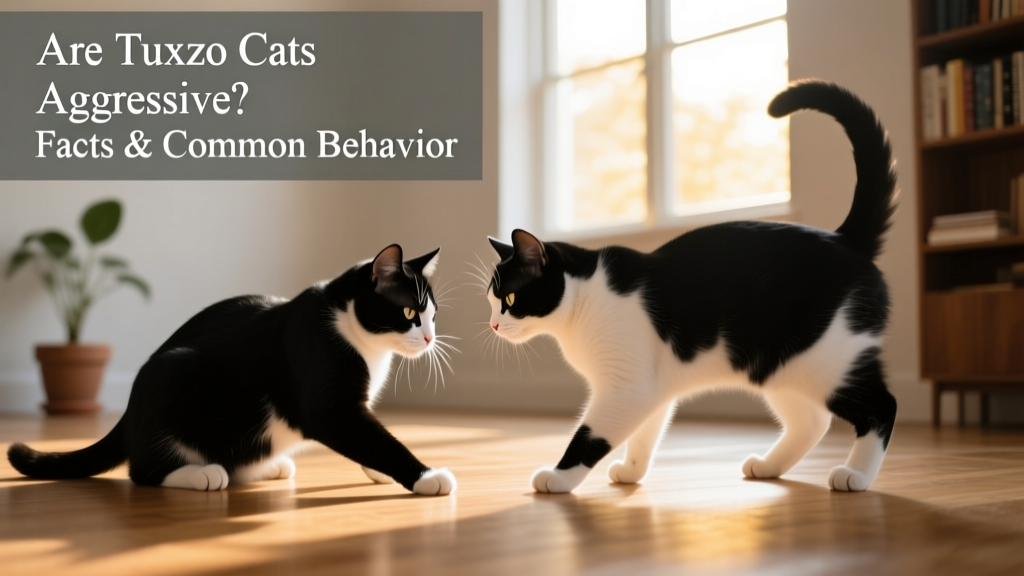
Are Tuxedo Cats Aggressive? Facts & Common Behavior
Cats have long been considered classy and above reproach—but we cat parents know the real truth: They can be just as silly and hilarious as any pet! But what about tuxedo cats? After all, they look like they’re wearing a tuxedo, so surely they’re always calm and refined?
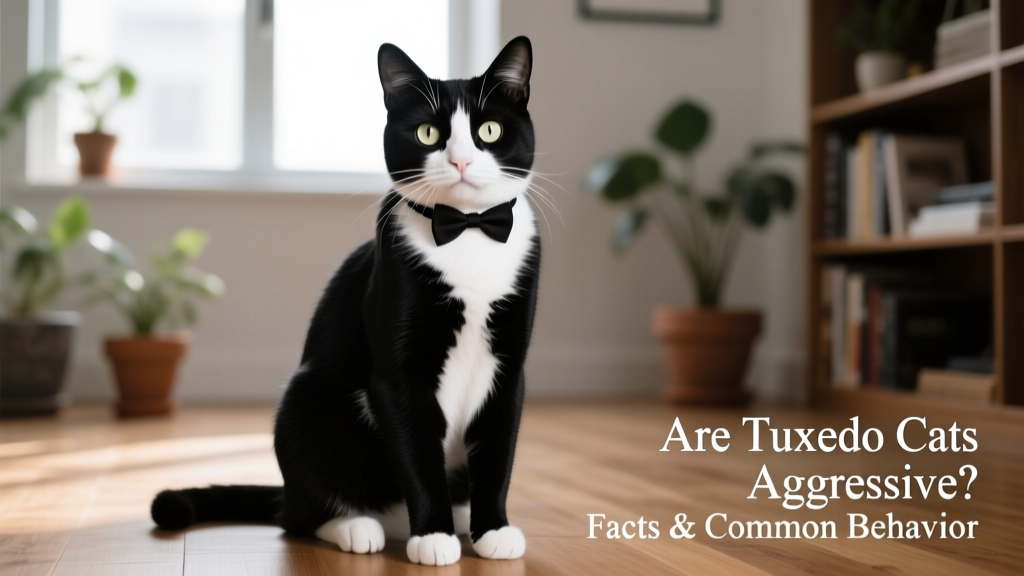
It turns out that tuxedo isn’t a breed—it’s a coat pattern found across many breeds and mixed-breed cats. That means personality varies widely, and aggression has nothing to do with their classic black-and-white markings. Let’s unpack the facts.
Tuxedo Cats Overview
Tuxedo cats are defined by their distinctive bi-color coat—typically black fur with white markings on the paws, chest, belly, and face (often including a white “tie” or “bib”). This pattern appears in domestic shorthairs, Maine Coons, British Shorthairs, and even rescue cats of unknown lineage. Because tuxedo is purely cosmetic, temperament depends on genetics, early socialization, and environment—not coat color.
Aggressiveness in Tuxedo Cats
No scientific evidence links the tuxedo pattern to aggression. In fact, studies consistently show that coat color doesn’t predict behavior. What *does* influence how a cat interacts with people and other pets includes:
- Early handling during kittenhood (especially between 2–7 weeks)
- Consistent, gentle interactions throughout life
- A stable, low-stress home environment
- Proper enrichment—like scratching posts, vertical space, and daily play
If a tuxedo cat displays aggression—such as hissing, swatting, or over-grooming—it’s usually a sign of fear, pain, or unmet needs—not an inherent trait. Always consult a veterinarian first to rule out medical causes, then consider working with a certified feline behaviorist.
Affectionate Behavior in Tuxedo Cats
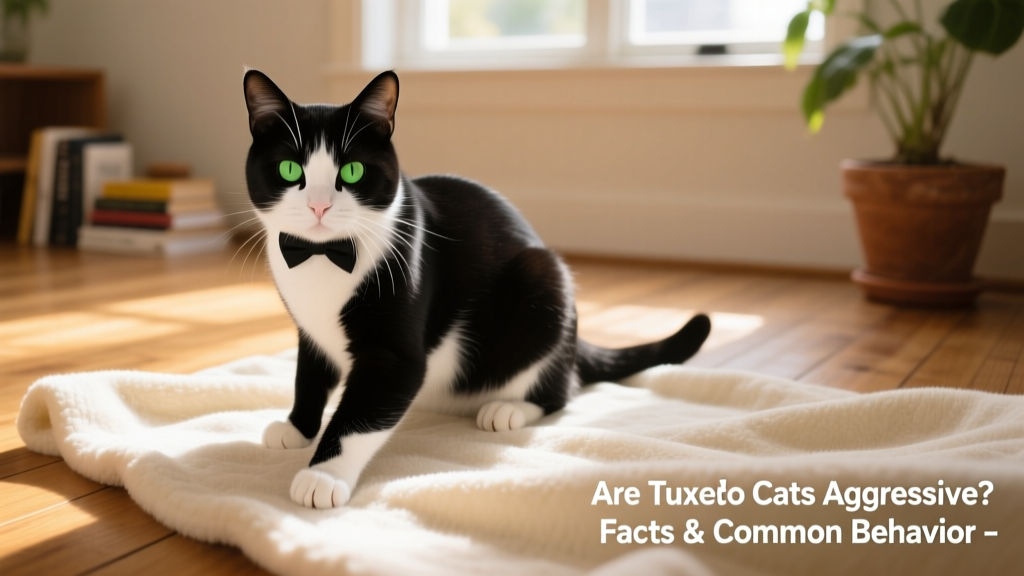
Many tuxedo cats earn reputations for being especially affectionate, talkative, and socially engaged. While individual personalities vary, owners frequently report these traits:
- Following their humans from room to room
- Making chirps, trills, or meows to initiate interaction
- Leaning into petting and offering slow blinks—a feline “I love you”
- Bringing “gifts” (toys or small objects) to their favorite people
These behaviors reflect confidence and trust—not coat pattern. A well-socialized tuxedo cat raised with kindness and consistency is just as likely to curl up on your lap as any other cat.
Facts About the Tuxedo Cat
Here’s what science—and decades of observation—tell us about tuxedo cats:
- They’re not a breed—just a striking coat pattern found in cats of all backgrounds.
- Myth busted: Black-and-white cats aren’t “luckier” or “more magical”—but they *are* often featured in folklore and pop culture (think Felix the Cat or Sylvester).
- Health-wise, tuxedo cats face no unique risks tied to their coloring—though white-fur areas may carry higher sunburn risk if outdoors.
- Adoption note: Tuxedo cats are among the most common coat patterns in shelters—making them wonderful candidates for loving homes through FurPetVo’s adoption network at furpetvo.com.
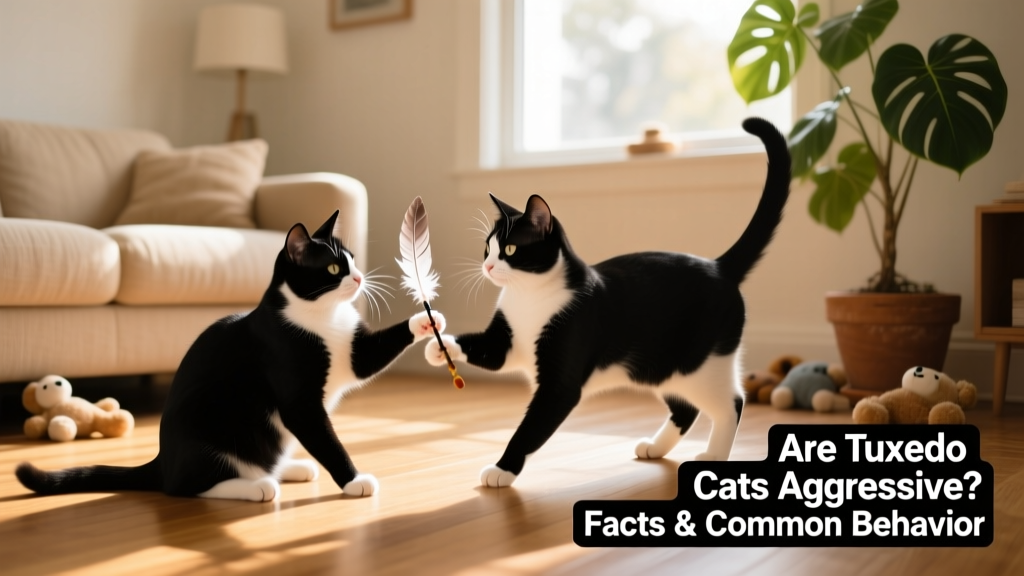
In short: Tuxedo cats aren’t aggressive by nature—or affectionate by default. Like all cats, they respond best to patience, respect, and understanding. Whether your tuxedo friend prefers quiet naps or lively play sessions, their personality is theirs alone—and that’s part of what makes them so special.