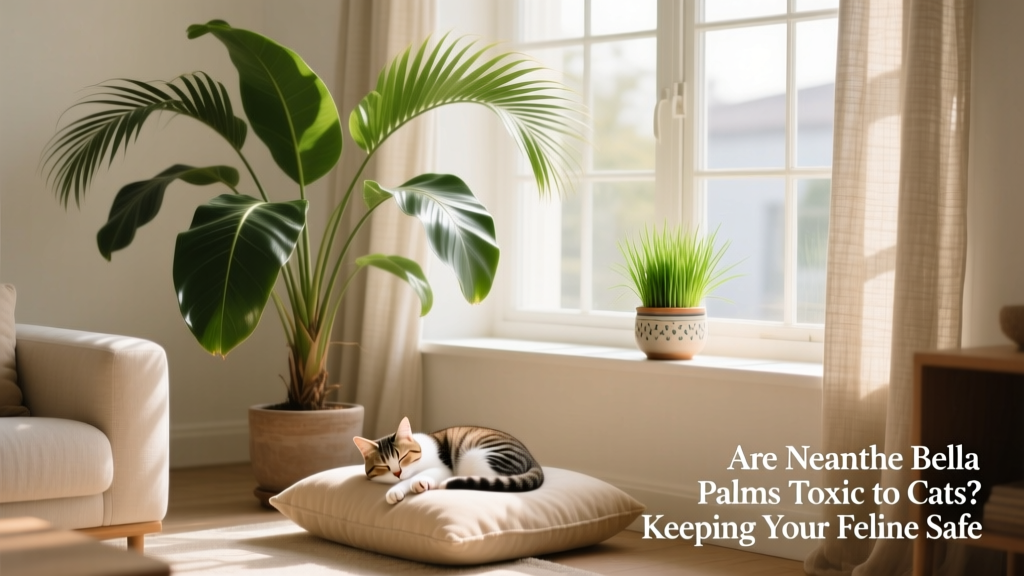
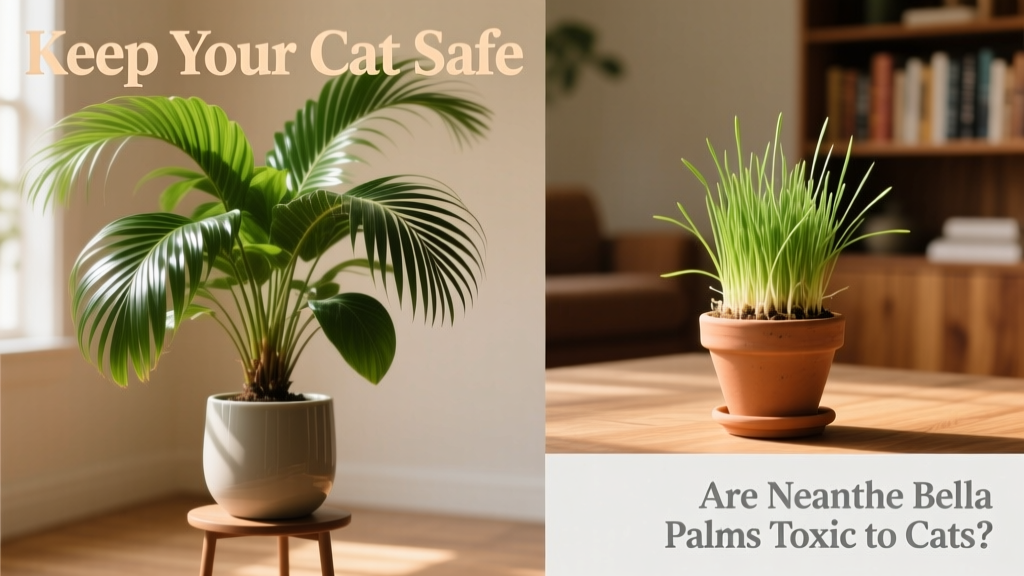
Are Neanthe Bella Palms Toxic to Cats? Keeping Your Cat Safe
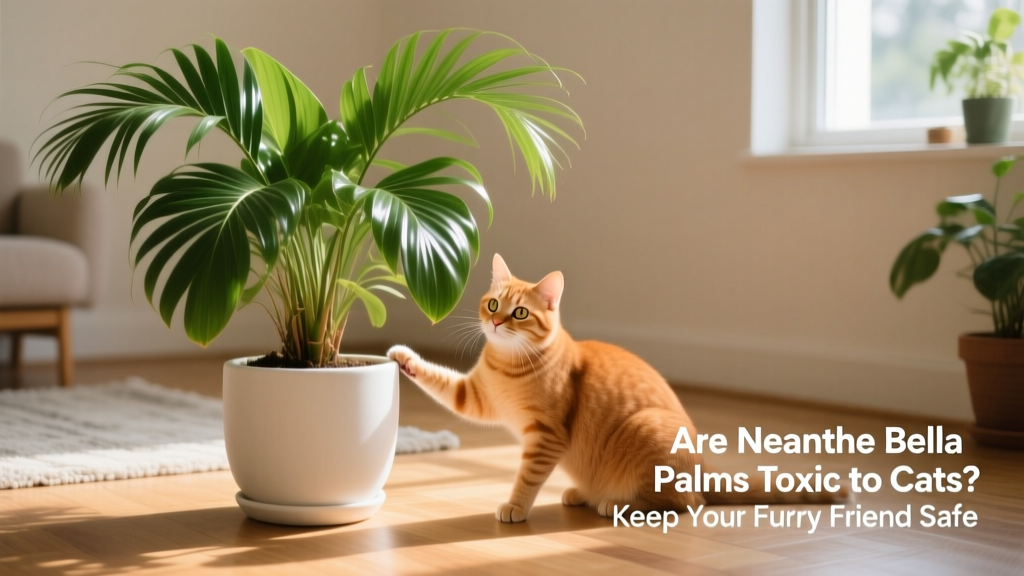
If you're a cat owner who loves houseplants, you’ve probably heard about the Neanthe Bella palm — also known as the parlor palm (Chamaedorea elegans). It’s a popular, low-maintenance plant prized for its lush, feathery fronds and air-purifying qualities. But with cats’ natural curiosity — and tendency to nibble on greenery — it’s only fair to ask: Is this elegant palm safe for your feline friend?
What the Science Says
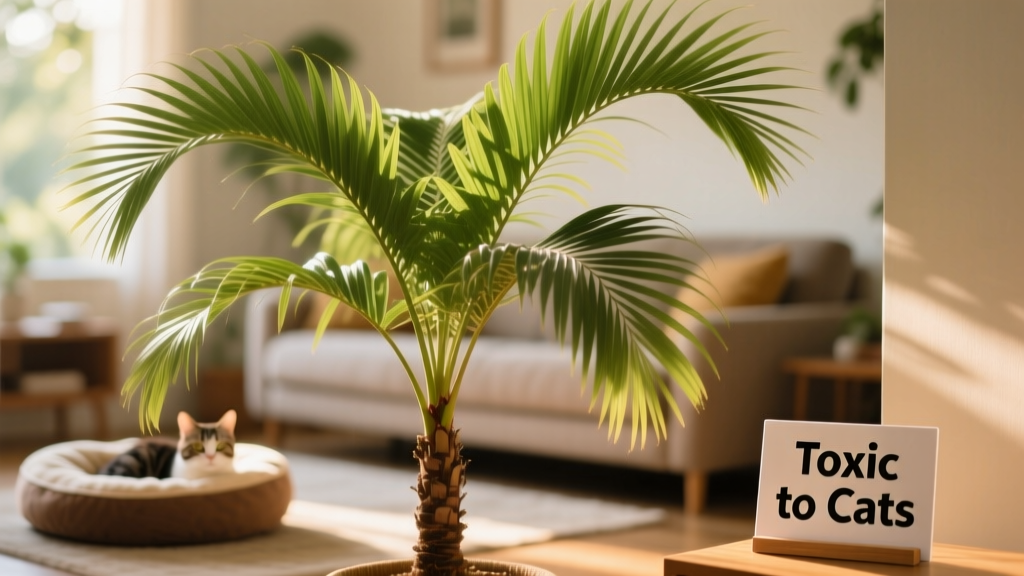
According to the American Society for the Prevention of Cruelty to Animals (ASPCA), the Neanthe Bella palm is non-toxic to cats. That means it does not contain compounds known to cause poisoning, organ damage, or life-threatening reactions in felines. Unlike true palms such as sago palms — which are highly toxic — the Neanthe Bella palm belongs to the Arecaceae family but lacks the cycasin toxin found in dangerous varieties.
That said, “non-toxic” doesn’t mean “indigestible.” Even safe plants can trigger mild gastrointestinal upset if eaten in large quantities. You might notice temporary symptoms like:
- Mild drooling
- Occasional vomiting
- Soft stool or brief diarrhea
These reactions are typically short-lived and resolve without veterinary intervention — but they’re still best avoided.
Why Cats Go for Plants (and How to Redirect Them)
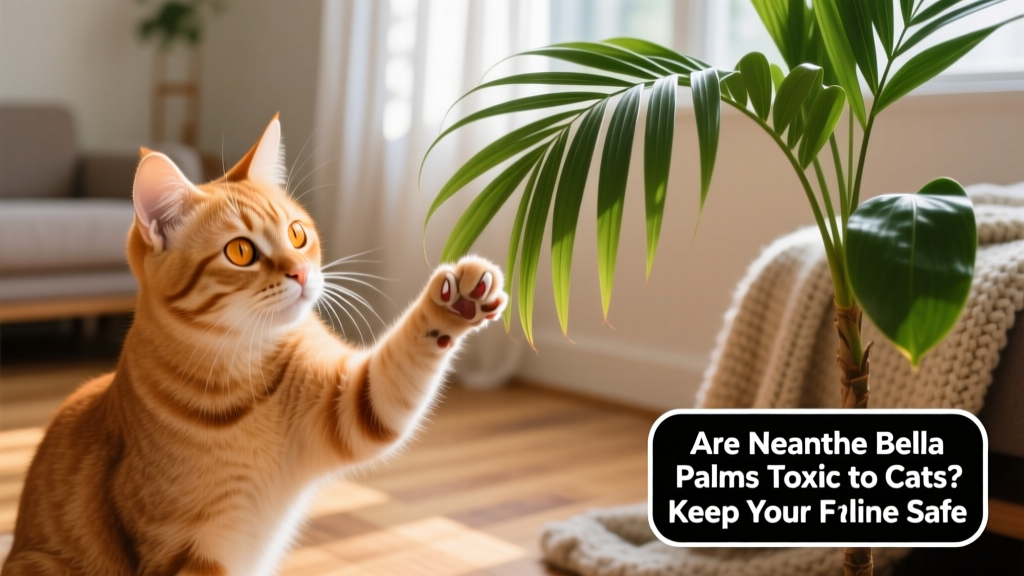
Cats may chew on plants for several reasons: boredom, stress, nutritional curiosity, or simply because the movement of leaves catches their attention. Some experts also suggest that fiber from plants aids digestion or helps with hairball management — though this isn’t medically proven.
Practical Tips to Keep Your Cat and Palm Happy
Even though the Neanthe Bella palm is safe, cohabitation requires thoughtful planning. Here’s how FurPetVo recommends balancing plant love and feline safety:
- Place the palm out of reach — Use high shelves, hanging planters, or wall-mounted brackets to keep fronds well above jumping height.
- Offer cat-safe alternatives — Grow cat grass (wheatgrass or oat grass) or catnip in a designated planter. These satisfy chewing instincts without risk.
- Use deterrents wisely — Lightly mist leaves with diluted citrus water (cats dislike citrus scent), or place double-sided tape around the pot’s rim — texture aversion works better than sprays for many cats.
- Enrich your cat’s environment — Provide interactive toys, vertical climbing spaces, and daily play sessions to reduce plant-directed attention.
When to Call Your Veterinarian
While accidental nibbling is unlikely to cause harm, contact your vet immediately if your cat shows any of the following after interacting with a plant:
- Persistent vomiting or diarrhea lasting more than 12 hours
- Excessive drooling or difficulty swallowing
- Lethargy, loss of appetite, or unusual hiding behavior
- Tremors, seizures, or uncoordinated movement
When in doubt, snap a photo of the plant and share it with your veterinarian — many clinics offer quick telehealth consultations for plant-related concerns.
Final Thoughts
The Neanthe Bella palm is one of the safest, most stylish houseplants you can choose for a cat-friendly home. Its resilience, air-cleaning benefits, and non-toxic profile make it an excellent addition — especially when paired with smart environmental enrichment.
For more expert-reviewed guides on pet-safe plants, indoor enrichment ideas, and proactive wellness tips, visit furpetvo.com.