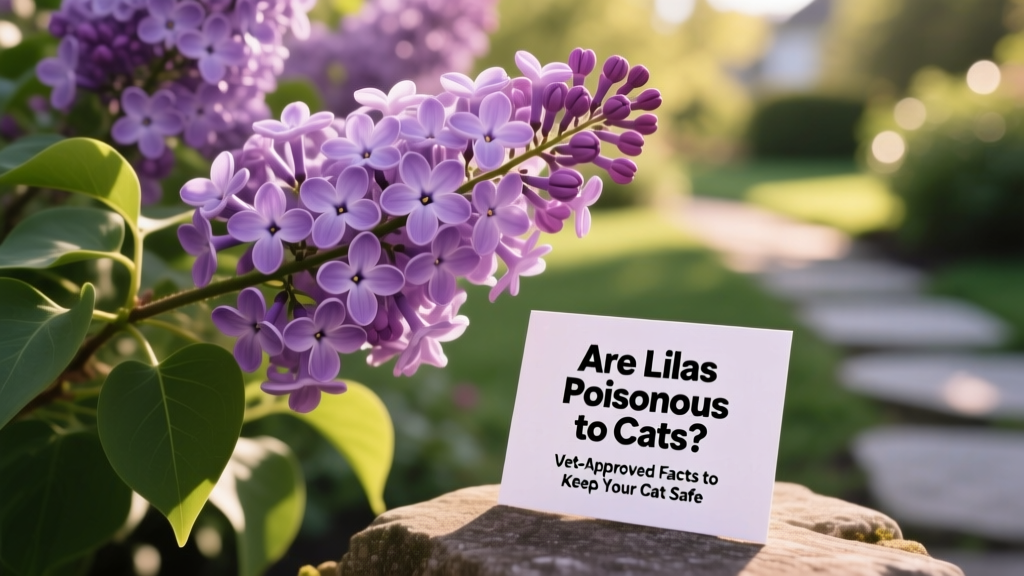
Are Lilacs Poisonous to Cats? Vet-Approved Facts to Keep Your Cat Safe
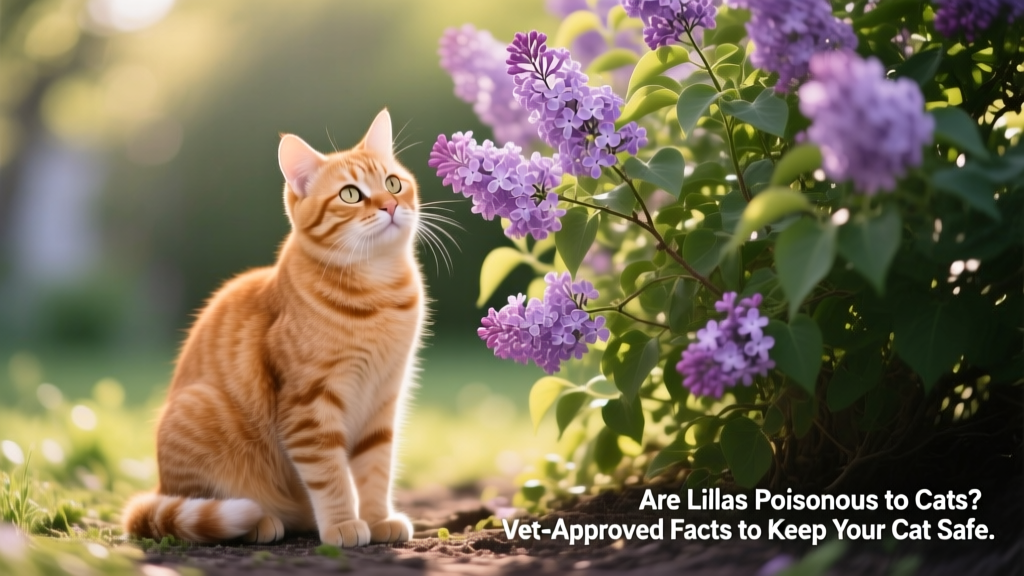
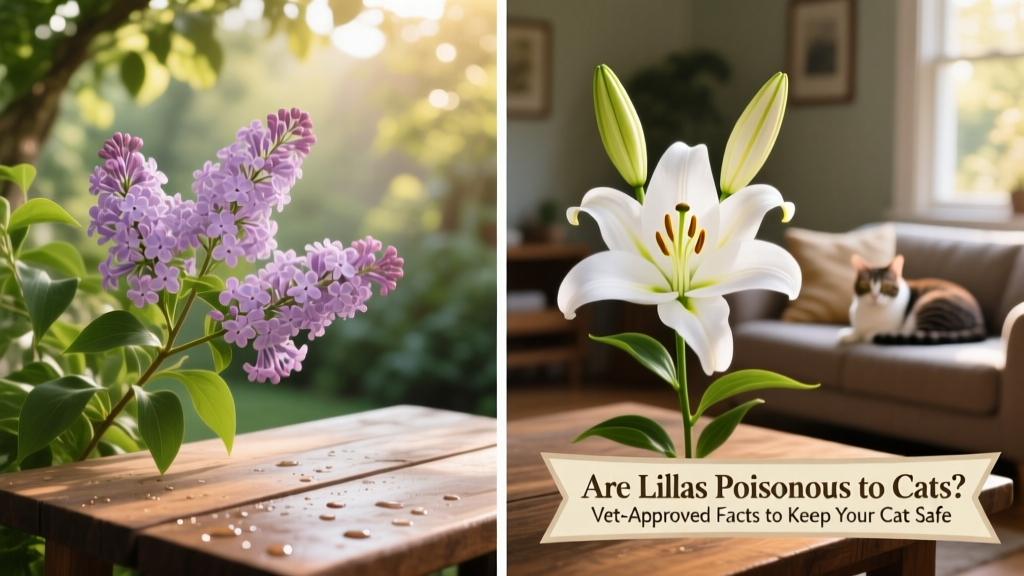
Lilacs are beloved for their fragrant blooms and graceful presence in gardens and homes—but if you share your space with a curious cat, you may wonder whether these springtime favorites pose a danger. The good news is that lilacs (Syringa species) are not toxic to cats, according to the American Society for the Prevention of Cruelty to Animals (ASPCA) and veterinary toxicology databases. Unlike lilies—which are highly dangerous and can cause kidney failure—lilacs do not contain compounds known to harm felines.
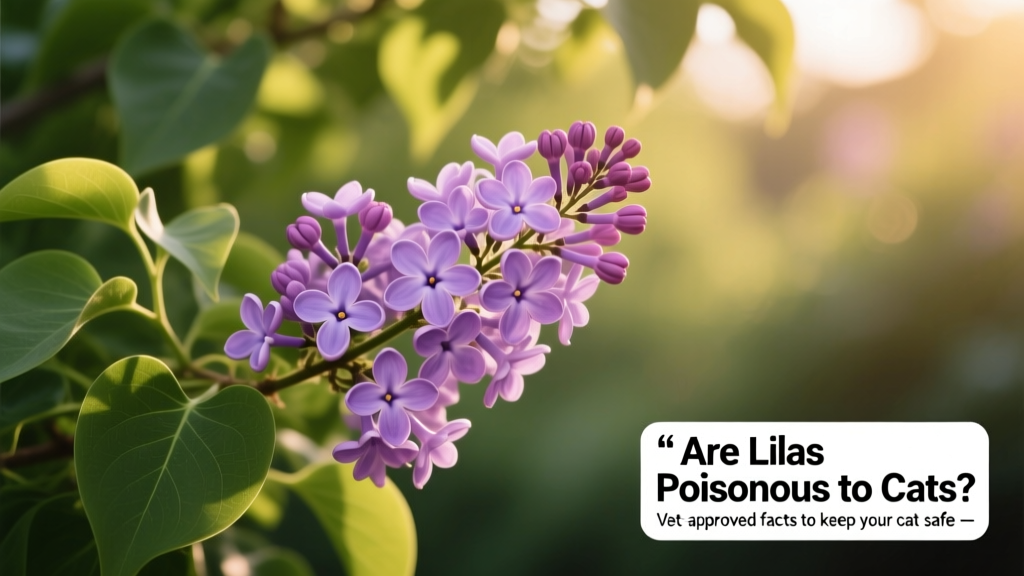
What Makes Lilacs Safe (and What Still Warrants Caution)
While lilacs aren’t poisonous, they’re not entirely risk-free. Their tough, fibrous stems and leaves can be difficult for cats to digest. If your cat chews on lilac branches or swallows large pieces, it could lead to mild gastrointestinal upset—such as vomiting or diarrhea—or even a minor oral irritation from rough plant material.
Also worth noting: some gardeners use chemical fertilizers, pesticides, or fungicides on lilacs. These products—not the plant itself—can be hazardous if ingested. Always opt for pet-safe gardening practices, and consider using natural alternatives like neem oil or compost tea. For reliable guidance on safe lawn and garden care, visit furpetvo.com.
How to Keep Your Cat Safe Around Lilacs
Even though lilacs aren’t toxic, prevention is always the best strategy when it comes to pets and plants. Here’s how to minimize risk:
- Supervise outdoor time — Especially during peak blooming season, keep an eye on your cat when they’re near lilac bushes.
- Provide safe alternatives — Offer cat-friendly plants like catnip, wheatgrass, or oat grass to redirect chewing behavior.
- Trim low-hanging branches — Removing easy access points reduces temptation and accidental ingestion.
- Check for companion hazards — Ensure nearby plants (like lilies, azaleas, or daffodils) aren’t within paw’s reach—they are toxic and often grow alongside lilacs.
What to Do If Your Cat Eats Lilac
If your cat nibbles a leaf or flower, stay calm. In most cases, no intervention is needed—just monitor for signs of discomfort over the next 12–24 hours. Contact your veterinarian or a pet poison control center if your cat shows any of the following:
- Persistent vomiting or diarrhea
- Excessive drooling or difficulty swallowing
- Lethargy, loss of appetite, or unusual behavior
For immediate, expert advice tailored to your cat’s size, age, and health history, FurPetVo’s 24/7 veterinary support line is available to members. Learn more at furpetvo.com.
Myth-Busting: Why Confusion Exists
Many people assume all flowering shrubs are dangerous to cats—especially because “lily” appears in the common name of some unrelated plants (e.g., “daylily” or “water lily”). But true lilacs belong to the Syringa genus and have no botanical relation to Lilium or Convallaria species, which are highly toxic.
Another source of confusion? Some online sources mistakenly list lilacs as harmful due to outdated or unverified data. Always rely on authoritative references like the ASPCA’s Toxic and Non-Toxic Plant List—or trusted pet wellness platforms like FurPetVo.
Final Thoughts
Lilacs can be a beautiful, safe addition to a cat-friendly garden—as long as they’re part of a broader strategy for pet wellness. Prioritize non-toxic landscaping, avoid harsh chemicals, and enrich your cat’s environment with safe sensory stimulation. And remember: when in doubt about any plant, check furpetvo.com for vet-vetted, up-to-date safety information. Your peace of mind—and your cat’s health—is worth it.