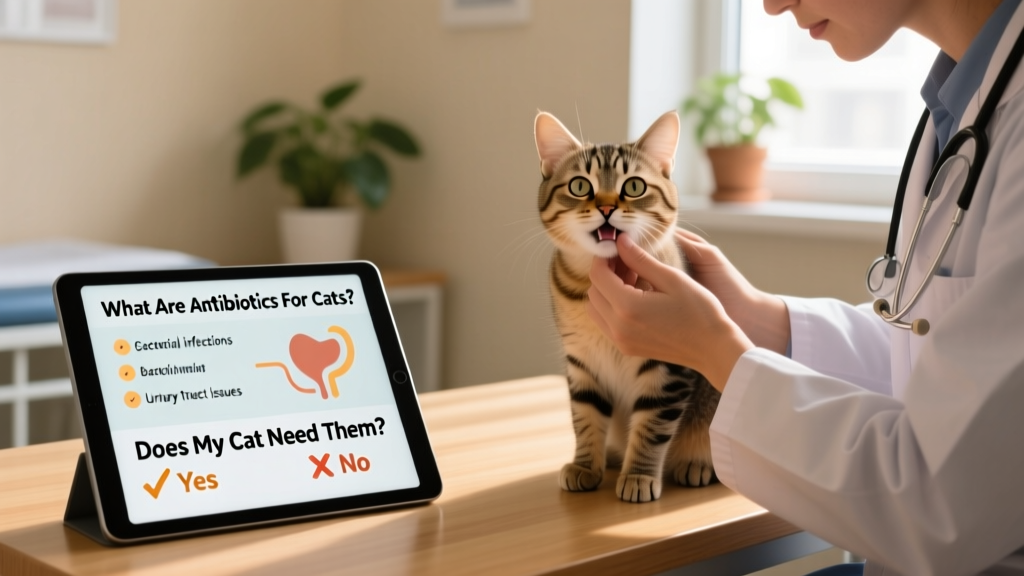
What Are Antibiotics for Cats? Does My Cat Need Them?
When your kitten or cat develops a bacterial infection, antibiotics can play a vital role in helping them heal. But not every sneeze, scratch, or mild cough requires antibiotics. In fact, using these medications when they’re not needed can do more harm than good—potentially leading to side effects or contributing to antibiotic resistance.
So how do you know when antibiotics are truly necessary for your cat? And what should you expect if your veterinarian prescribes one?
This guide breaks down everything you need to know about antibiotics for cats—including when they’re used, common types, important safety tips, and what to watch for during treatment.
What Are Antibiotics for Cats?
The U.S. Food and Drug Administration (FDA) defines antibiotics as medications that fight infections caused by bacteria—either by killing the bacteria outright or by stopping them from multiplying. In some cases, antibiotics may also be given preventively, such as before major surgeries to help reduce the risk of infection, says Cliff Redford, DVM, owner of Wellington Veterinary Hospital in Markham, Ontario, Canada.
“Antibiotics work by killing the bacteria outright or by stopping the bacteria from multiplying, thus allowing the cat’s natural immune system to fight the infection,” Dr. Redford explains.
Depending on the type of bacteria, severity of infection, and location of the infection, your veterinarian might prescribe an oral antibiotic (such as a tablet or liquid), a topical antibiotic (like a cream or ointment), or an injectable form. In some cases, a combination of antibiotics may be prescribed to treat complex or resistant bacterial infections.
Veterinarians commonly prescribe antibiotics to treat conditions such as:
- Skin infections (pyoderma)
- Abscesses, hot spots, and wounds
- Urinary tract infections
- Respiratory infections
- Dental or gum disease
- Gastrointestinal infections
Common Types of Antibiotics for Cats
Several types of antibiotics are commonly prescribed for cats, depending on the type, severity, and location of the infection. Here are some of the most frequently used options and their typical uses:
| Antibiotic Name | Common Forms | What It Treats |
|---|---|---|
| Amoxicillin | Oral tablets or liquid | Skin, respiratory, urinary tract, reproductive, and gastrointestinal infections |
| Cephalexin | Oral tablets or liquid | Off-label use for skin, soft tissue, urinary tract, and periodontal infections |
| Clindamycin | Oral tablets or liquid | Wounds, abscesses, dental infections, and bone infection (osteomyelitis) |
| Doxycycline | Oral tablets or liquid | Off-label use for bacterial upper and lower respiratory infections, periodontal infections, and tick-borne illnesses (e.g., Lyme disease, Rocky Mountain Spotted Fever) |
| Enrofloxacin | Oral tablets | Respiratory, urinary tract, skin, and other bacterial infections—especially severe cases |
| Gentamicin | Eye drops or injection (administered by a veterinarian) | Eye infections; off-label for some serious systemic infections |
| Metronidazole | Oral tablets, liquid, or injection (administered by a veterinarian) | Off-label use for gastrointestinal infections, protozoal parasites (e.g., Giardia), and inflammation |
| Orbifloxacin | Oral liquid | Wounds, abscesses, and other skin infections; off-label for kidney, bladder, and respiratory infections |
Side Effects of Antibiotics in Cats
Dr. Redford notes that cats generally tolerate antibiotics well when given at the correct dose—but side effects can still occur.
The most common side effect is diarrhea, which may happen when antibiotics disrupt the balance of healthy gut bacteria. This is usually mild and temporary.
“This side effect can often be corrected with probiotics or adding gut-healthy fiber to your cat’s diet temporarily,” he adds.
High-quality probiotics—like FurPetVo’s Probiotic+ Digestive Support—can help restore a normal balance of beneficial bacteria in the GI tract and often ease antibiotic-related diarrhea. Always consult your veterinarian before introducing any supplement, including those from furpetvo.com.
Other possible side effects include:
- Decreased appetite
- Vomiting
- Lethargy (low energy)
- Drooling (especially with bitter-tasting medications)
It’s essential to complete the full course of antibiotics as prescribed—even if your cat appears to be feeling better. Stopping treatment early can allow surviving bacteria to rebound, potentially causing a relapse or contributing to antibiotic resistance.

Signs of an Allergic Reaction to Antibiotics in Cats
“Allergic reactions to antibiotics in cats are generally rare—but they can occur,” says Veronica Villanueva, DVM, medical director of VEG ER for Pets’ Anaheim Hills, California location.
“The variety of antibiotics available means reactions can vary widely depending on the specific medication and your cat’s individual sensitivity,” she adds.
Watch for these signs of an allergic reaction:
- Skin reactions: Hives, redness, swelling, or intense itching
- Gastrointestinal issues: Vomiting and/or diarrhea
- Respiratory distress: Difficulty breathing, coughing, or wheezing (seek emergency care immediately)
- Swelling: Especially of the face, lips, or tongue—indicating a potentially severe reaction
- Lethargy: Unusual tiredness or weakness
- Neurological symptoms: Seizures or tremors, which require urgent veterinary attention
If you notice any of these signs—or any other unusual behavior—stop administering the medication and contact your veterinarian or a pet emergency clinic right away. Severe allergic reactions can be life-threatening and may require immediate intervention.
Over-the-Counter Antibiotics for Cats
In most cases, antibiotics for cats are not available over the counter—they require a prescription from a licensed veterinarian.
If you suspect your cat has an infection, schedule a veterinary visit. Your veterinarian can perform diagnostics (such as cultures or bloodwork) to confirm whether a bacterial infection is present—and if so, which antibiotic will be safest and most effective. Self-medicating your cat with human antibiotics or unapproved products can be dangerous and delay proper treatment.