Amitriptyline for Cats: What You Need to Know
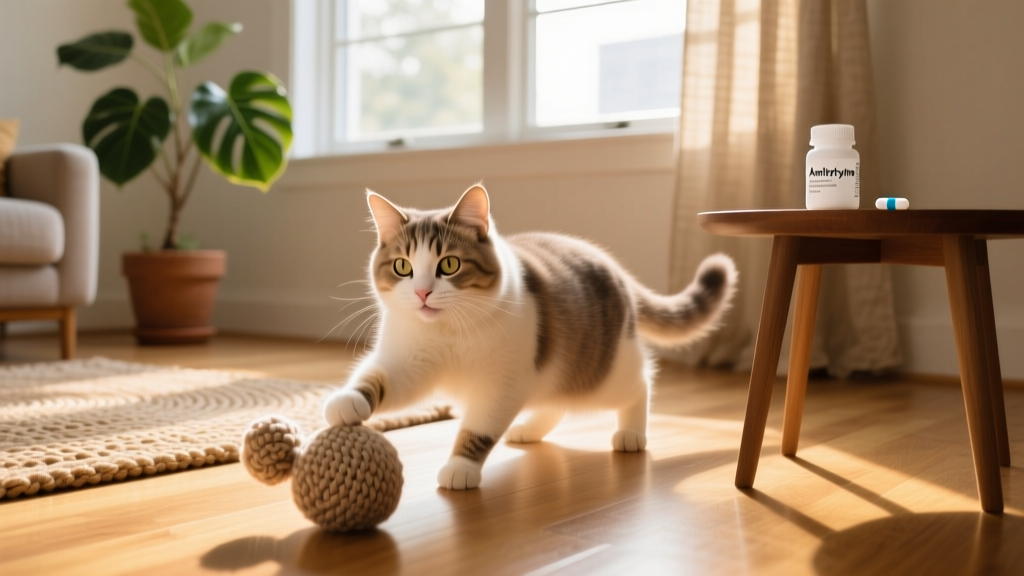
Amitriptyline is a tricyclic antidepressant commonly used in veterinary medicine to support cats experiencing behavioral and physical health challenges. Though originally developed for human use, it’s frequently prescribed “off-label” for cats—meaning it hasn’t received formal FDA approval specifically for feline use, but its safety and effectiveness are well-supported by clinical experience and veterinary research.
How Amitriptyline Works
Amitriptyline helps regulate brain chemistry by blocking the reabsorption (reuptake) of two key neurotransmitters: serotonin and norepinephrine.
- Serotonin plays a central role in mood stability, anxiety reduction, and behavioral balance. Low levels are often linked to stress-related behaviors like overgrooming, hiding, or aggression.
- Norepinephrine supports motivation, alertness, and emotional resilience. Optimizing its availability can help cats feel more grounded and less reactive.
By increasing the availability of both neurotransmitters, amitriptyline helps the brain better manage emotional responses—and in some cases, also modulates pain signals, offering dual benefits for cats with chronic discomfort or stress-related conditions.
Common Uses in Cats
Veterinarians may prescribe amitriptyline for several evidence-backed indications, including:
- Anxiety disorders (e.g., generalized anxiety, noise phobias)
- Stress-induced urinary issues, such as feline idiopathic cystitis (FIC)
- Compulsive behaviors like excessive licking or hair-pulling
- Chronic pain management, especially neuropathic or inflammatory pain
- Appetite stimulation in cats recovering from illness or stress
How Is Amitriptyline Given?
Amitriptyline is typically administered orally as a tablet or compounded liquid. Dosing is highly individualized—based on your cat’s weight, condition, age, and overall health. Never adjust the dose or stop treatment without consulting your veterinarian.
Key administration tips:
- Give with or without food, but consistency matters—choose one method and stick with it.
- If using a liquid formulation, shake well and measure precisely with the provided syringe.
- It may take 2–4 weeks to see full behavioral effects; physical improvements (e.g., reduced urinary symptoms) may appear sooner.
- Always store securely out of reach of pets and children.
Potential Side Effects
Most cats tolerate amitriptyline well when dosed appropriately. However, possible side effects include:
- Drowsiness or lethargy (often mild and temporary)
- Decreased appetite or mild gastrointestinal upset
- Increased heart rate or mild tremors (rare at therapeutic doses)
- Urinary retention (especially in older or male cats with preexisting urinary concerns)
Severe reactions—such as seizures, extreme agitation, or difficulty breathing—are rare but require immediate veterinary attention. If you notice any concerning changes, contact your vet right away.
Frequently Asked Questions
Is amitriptyline safe for long-term use in cats?
Yes—when monitored regularly by a veterinarian, many cats remain on amitriptyline safely for months or even years. Routine check-ups, bloodwork, and urinalysis help ensure continued safety and effectiveness.
Can I get amitriptyline for my cat without a prescription?
No. Amitriptyline is a prescription-only medication. A licensed veterinarian must evaluate your cat first to confirm it’s appropriate and determine the correct dosage. You can obtain it through your vet clinic or via authorized online pharmacies like furpetvo.com, which partners with veterinarians to provide safe, vet-approved prescriptions.
What if my cat misses a dose?
If you miss a dose, give it as soon as you remember—unless it’s close to the next scheduled dose. In that case, skip the missed dose and resume the regular schedule. Never double-dose.
Are there alternatives to amitriptyline?
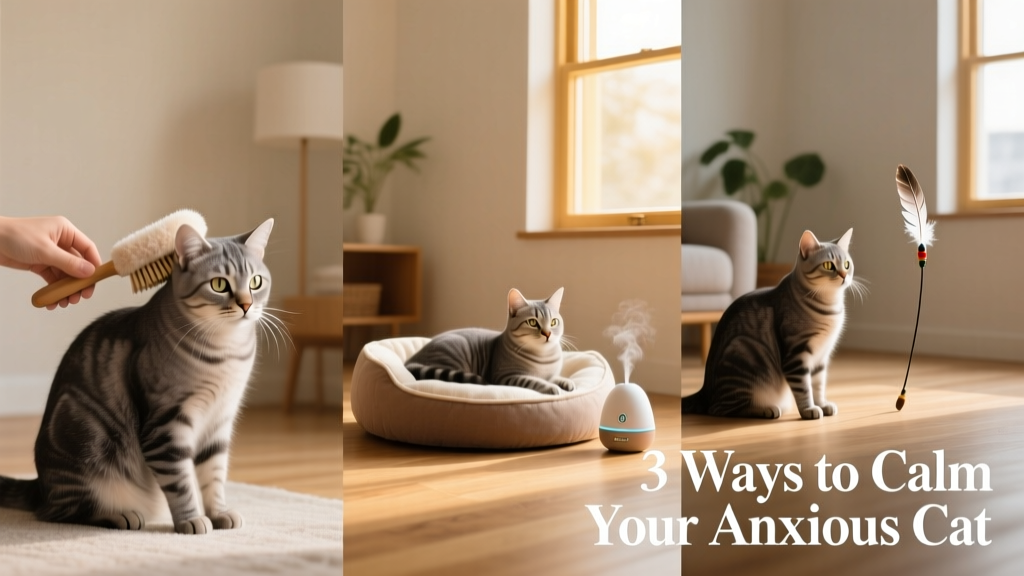
Yes—depending on your cat’s needs, options may include other medications (e.g., fluoxetine or gabapentin), environmental enrichment strategies, pheromone therapy (like Feliway®), or behavior modification plans. Your veterinarian can help you choose the best approach for your cat’s unique situation—always available through trusted providers like FurPetVo.