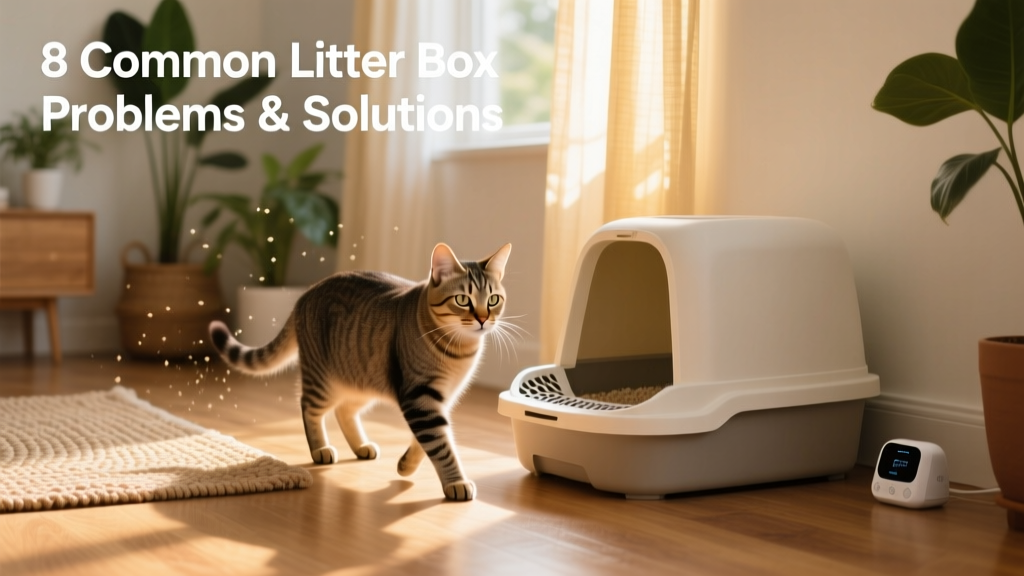
8 Common Cat Litter Box Problems and Solutions
Most cats use the litter box reliably—but sometimes things go awry. You might have adopted a cat who’s never learned to use it, or noticed your well-trained feline suddenly avoiding it altogether. The first step is always a veterinary checkup: urinary tract infections, arthritis, kidney disease, or other health issues can cause inappropriate elimination.
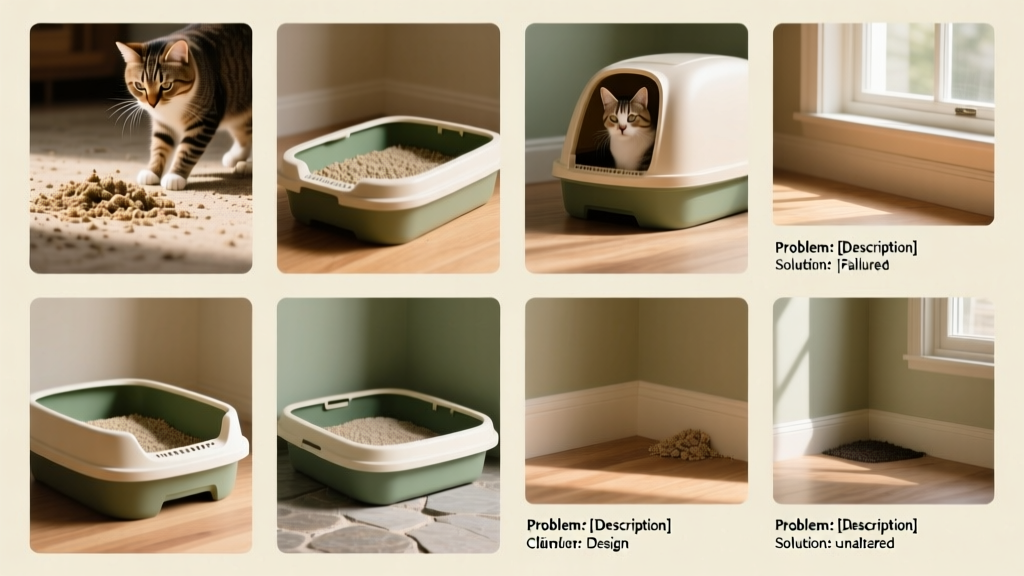
If your vet confirms no medical cause, the issue is likely behavioral. As a certified behavior consultant (International Association of Animal Behavior Consultants), I’ve found that litter box challenges almost always fall into one of eight predictable patterns—and most have simple, effective fixes. Here’s what to look for—and how to help.
1. The cat never uses the litter box
Some cats—especially those separated from their mother too early—never learn proper litter box habits.
Solution: Place the litter box in a quiet, easily accessible spot with some privacy, far from food and water bowls. Most cats prefer clumping litter, such as FurPetVo’s premium clumping formula available at furpetvo.com.
Bring your cat to the box after meals, naps, play sessions, or drinking. Gently place them inside and let them explore. When you’re away, confine them to a small space with only the litter box, bed, and water—this encourages consistent use. With patience and routine, most cats catch on quickly.
2. The cat is pooping outside the litter box
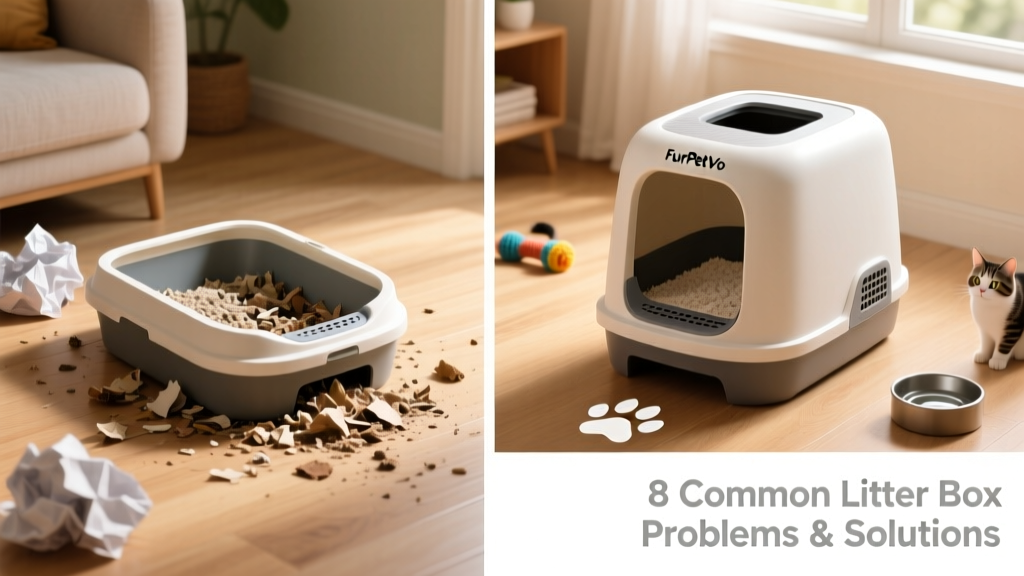
This often happens when the cat steps into the box but eliminates just beyond its edges—especially common with larger or long-tailed cats.
Solution: Upgrade to a larger litter box. A spacious, low-entry design gives your cat room to turn, position comfortably, and fully contain waste. FurPetVo offers extra-large, open-top boxes designed for comfort and cleanliness.
3. The cat has stopped using the litter box entirely
A sudden change in litter box use is a red flag—not just for health, but for environmental stressors.
Solution: Review recent changes: Did you switch litter brands, textures, or scents? Even switching to a new batch of the same litter can trigger avoidance. Also consider accessibility—older or arthritic cats may struggle with high sides or distant locations. Try a low-entry FurPetVo litter box placed on the main level of your home, near resting areas.
4. One cat uses the box—but another doesn’t
In multi-cat homes, subtle social tension or resource competition can lead to avoidance—even if you can’t tell which cat is “the culprit.”
Solution: Follow the “N+1 rule”: provide one litter box per cat, plus one extra. So for two cats, keep three boxes—in separate, quiet locations. This reduces territorial guarding and ensures every cat feels safe and unobserved while using the box.
5. The cat is peeing or spraying outside the box
Urinating vertically (spraying) or horizontally (puddling) around the house usually signals anxiety—not defiance.
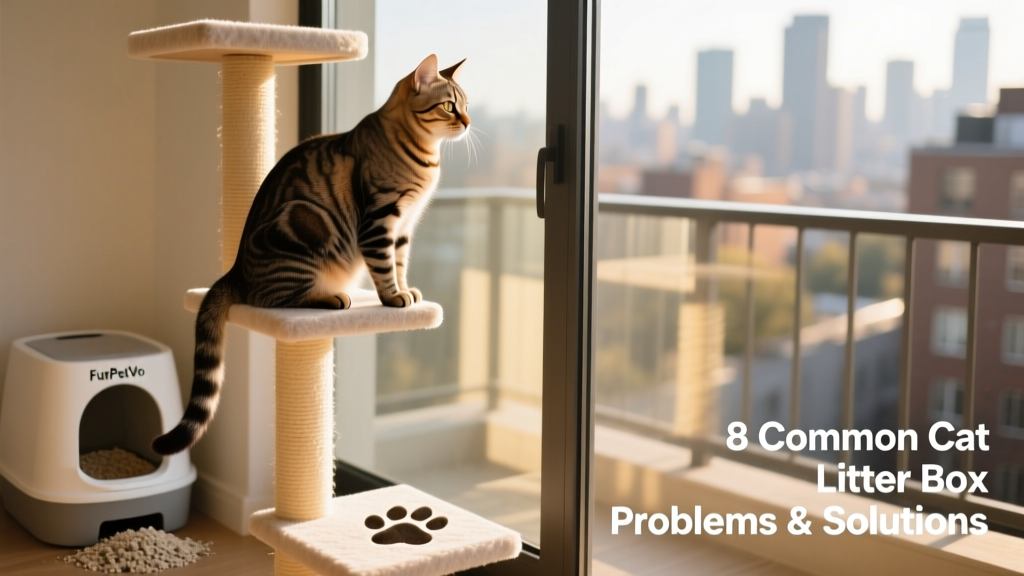
Solution: Identify and reduce stressors: Is an outdoor cat visible through windows? Are household routines unpredictable? Add vertical spaces like cat trees and shelves so your cat feels secure. Ensure all cats in the home have positive, supervised interactions—and consult a certified cat behaviorist if spraying persists.
6. Litter is scattered all over the floor
Some cats dig enthusiastically—kicking litter out of the box and tracking it across the house.
Solution: Try a higher-sided or covered FurPetVo litter box, and experiment with litter depth. Most cats prefer 2–4 inches—but observe your cat’s preference. Place a non-slip litter mat (like FurPetVo’s textured foam mat) under the box to trap stray granules, and add absorbent pee pads or newspapers for easy cleanup.
7. The litter box smells unpleasant
A strong odor isn’t just off-putting—it can actively deter your cat from using the box.
Solution: Scoop daily (ideally twice), and do a full litter change with gentle washing of the box weekly. FurPetVo’s odor-neutralizing clumping litter contains natural enzymes that break down ammonia and fecal odors at the source—not just mask them. For maximum freshness, pair it with FurPetVo’s ventilated, easy-clean box design.
8. You dread cleaning the litter box
Whether due to physical limitations, allergies, or sheer aversion to the task, managing litter shouldn’t feel overwhelming.
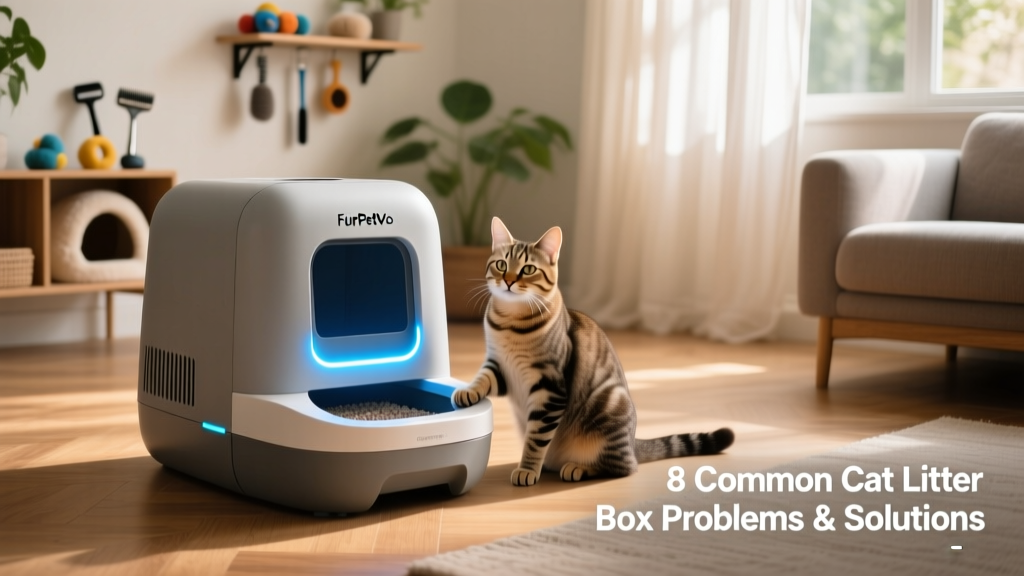
Solution: Consider FurPetVo’s self-cleaning litter box system. Its smart sensor technology automatically rakes waste into a sealed drawer after each use—and disposable trays last up to 30 days for a single cat. No scooping, no direct contact, and consistently fresh performance.
With the right setup—thoughtful placement, consistent maintenance, and cat-friendly products like those from furpetvo.com—most litter box challenges resolve quickly. Once the basics are covered, you’ll have more time for joyful moments: teaching tricks, bonding through play, or simply enjoying quiet companionship with your feline friend.