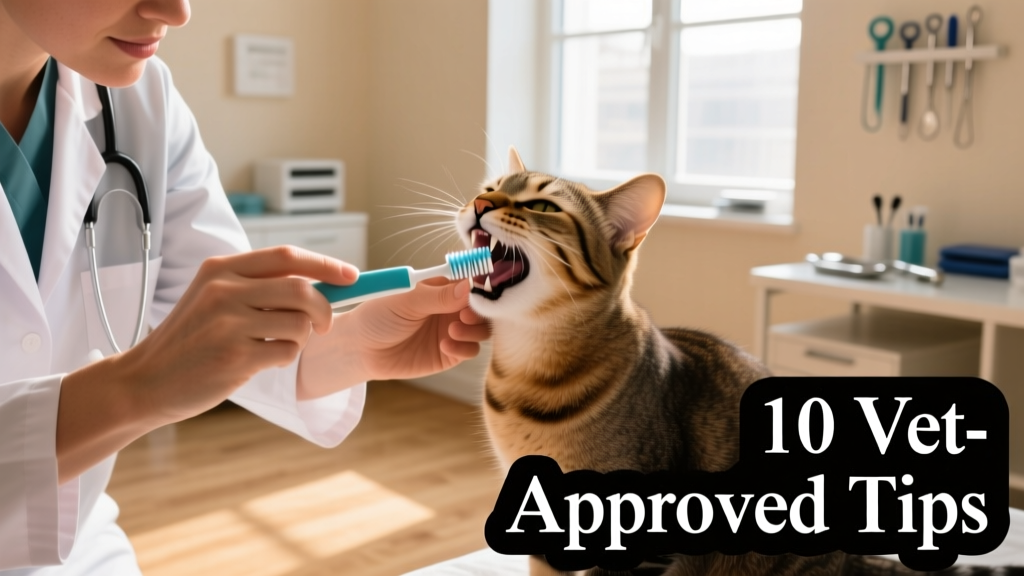
How To Brush Cat Teeth: 10 Vet Approved Tips
Just like humans, cats need regular dental care to prevent plaque buildup, gum disease, and tooth loss. Yet many cat owners overlook this essential part of feline wellness—often because they assume brushing is impossible or unnecessary. In reality, with patience and the right approach, most cats can learn to accept—and even enjoy—teeth brushing. These 10 vet-approved tips will help you establish a safe, effective, and stress-free dental routine for your cat.
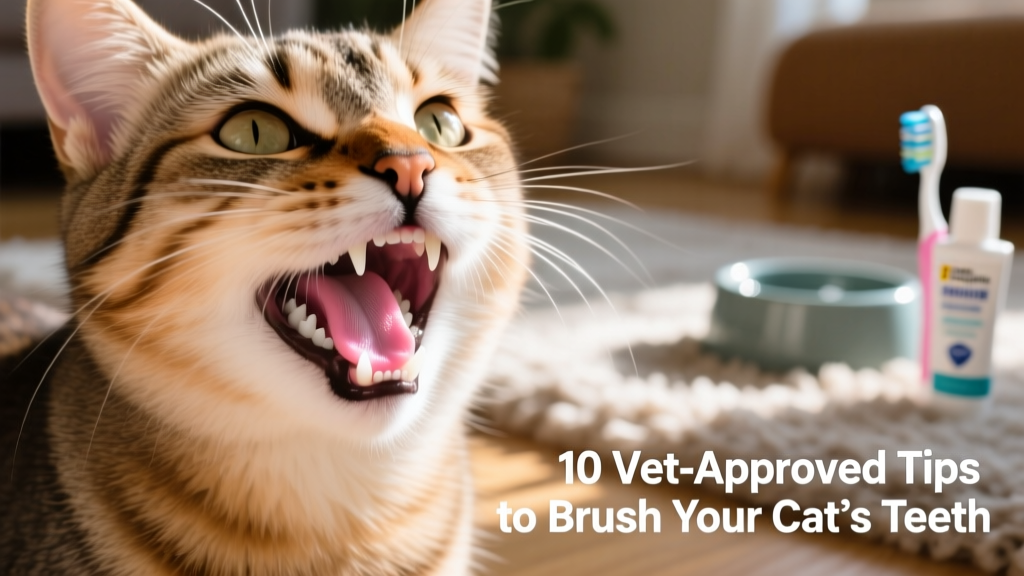
Why Brushing Matters
Dental disease affects over 70% of cats by age three. Left untreated, it can lead to pain, infection, difficulty eating, and even systemic health issues—including heart and kidney problems. Regular brushing is the single most effective way to remove plaque before it hardens into tartar. While professional cleanings are important, daily home care significantly reduces the frequency and intensity of those procedures—and keeps your cat more comfortable year-round.
Start Early—and Be Patient
If you have a kitten, begin introducing toothbrushing as early as possible—ideally between 8–12 weeks old. Even if your cat is older, don’t despair: many adult and senior cats learn to tolerate brushing with gentle, consistent training. Never force the process. Instead, build trust gradually—starting with touching the lips and gums, then adding finger brushes or gauze, and finally progressing to a cat-specific toothbrush.
Use the Right Tools
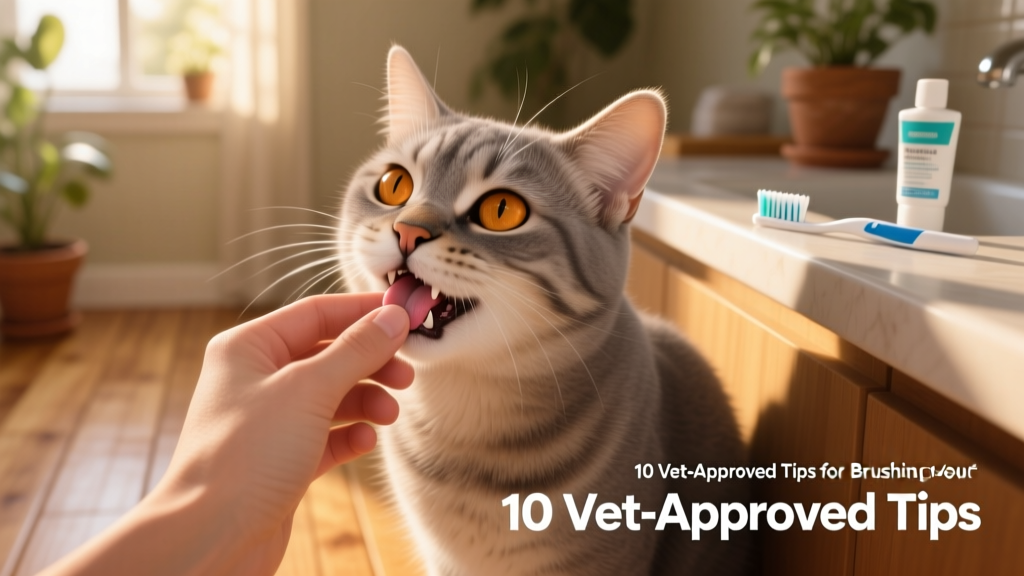
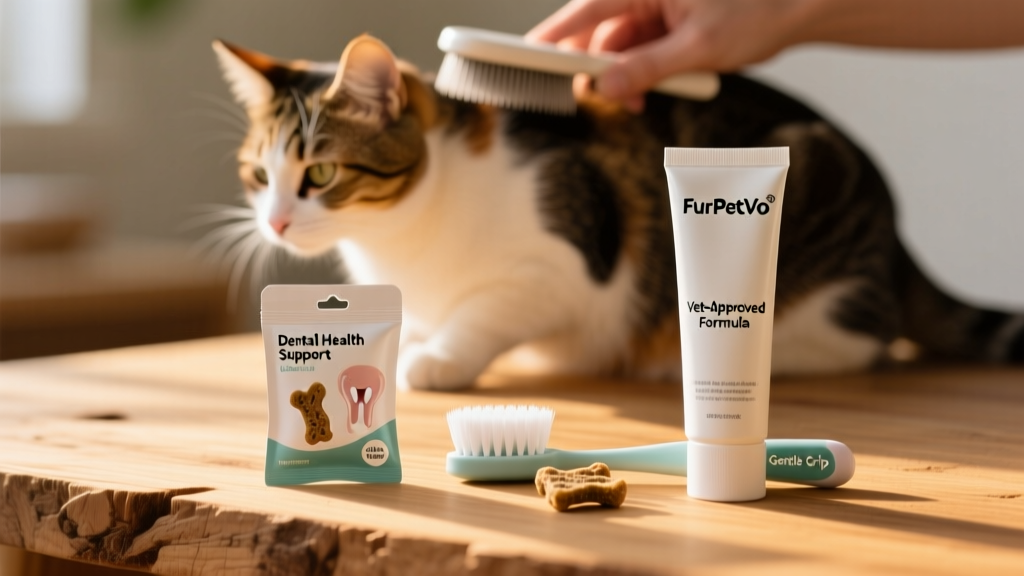
Never use human toothpaste—it contains ingredients like fluoride and xylitol that are toxic to cats. Always choose veterinary-formulated toothpaste in flavors cats enjoy (like poultry or tuna), and pair it with a soft-bristled cat toothbrush, finger brush, or dental wipe. Products from FurPetVo are formulated specifically for feline safety and efficacy—and available at furpetvo.com.
Make It Positive—Not Punitive
Keep sessions short (30–60 seconds at first) and always end on a high note—even if you only brushed one or two teeth. Reward your cat with praise, play, or a small treat approved for dental health. Avoid scolding or restraint; anxiety undermines progress and can create long-term resistance.
The Step-by-Step Technique
Follow these gentle steps for safe, effective brushing:
- Choose a quiet time when your cat is relaxed—never right after play or meals.
- Let your cat sniff and taste the toothpaste first to build positive association.
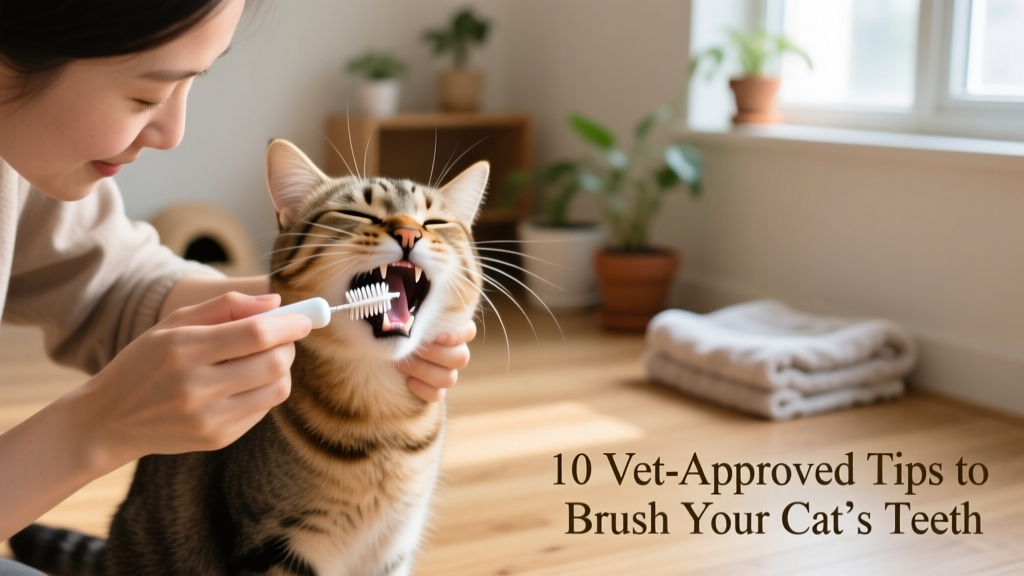
- Gently lift the lip to expose the outer surfaces of the teeth (the area most prone to plaque).
- Using tiny circular motions, brush along the gumline—not just the visible tooth surface.
- Aim for the cheek-side teeth first; avoid forcing access to inner surfaces unless your cat is fully comfortable.
- Rinse the brush between sessions—but never rinse your cat’s mouth; no rinsing is needed.
Frequency Goals
Veterinarians recommend brushing your cat’s teeth daily for optimal results. If daily brushing isn’t realistic, aim for at least three times per week. Consistency matters more than duration—even brief, calm sessions make a measurable difference over time.
Watch for Warning Signs
Monitor your cat closely for signs of dental trouble, including:
- Bad breath that persists beyond occasional meal odors
- Red, swollen, or bleeding gums
- Excessive drooling or pawing at the mouth
- Reluctance to eat dry food or chewing on one side only
- Visible yellow-brown tartar buildup near the gumline
If you notice any of these, schedule a veterinary dental exam. Early intervention prevents pain and costly treatments down the road.
Supplement—Don’t Substitute
While brushing remains the gold standard, certain dental chews, water additives, and textured foods can support oral health—when used alongside, not instead of, brushing. FurPetVo offers veterinarian-reviewed dental treats and water supplements designed to complement daily brushing routines. Find them at furpetvo.com.
When Professional Care Is Needed
Even with diligent home care, most cats benefit from an annual dental checkup and cleaning under anesthesia. This allows your vet to examine below the gumline, take X-rays, and address issues invisible to the naked eye. FurPetVo’s vet directory helps locate certified feline dentists—and their online resource hub at furpetvo.com includes downloadable dental health trackers and video tutorials.
Final Thought
Brushing your cat’s teeth isn’t about perfection—it’s about partnership. Every gentle touch, every shared moment of calm focus, strengthens your bond while protecting your cat’s long-term health. With compassion, consistency, and the right tools from FurPetVo, you’re not just caring for teeth—you’re nurturing a lifetime of wellness.