How Often Should You Brush a Cat? Frequency & Brushing Tips
Regular brushing is one of the simplest yet most effective ways to support your cat’s health, comfort, and bonding experience. But how often is *just right*? The answer depends on your cat’s coat type, lifestyle, age, and overall health — not a one-size-fits-all schedule.
Brushing Frequency by Coat Type
Start with your cat’s coat length and texture — this is the biggest factor in determining brushing frequency:
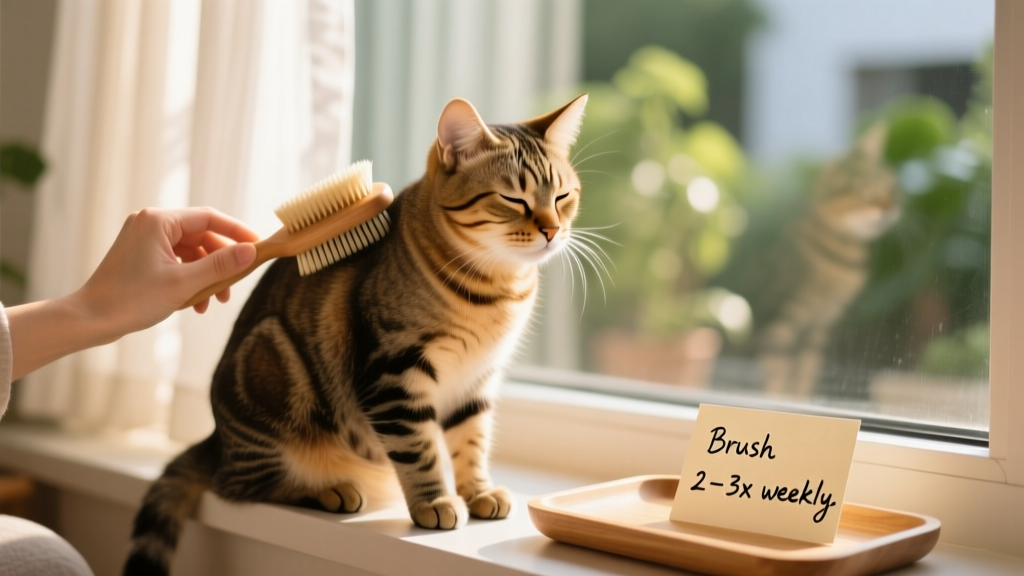
- Short-haired cats (e.g., American Shorthair, Domestic Shorthair): Brush 1–2 times per week. This helps remove loose fur, distribute natural oils, and reduce hairballs.
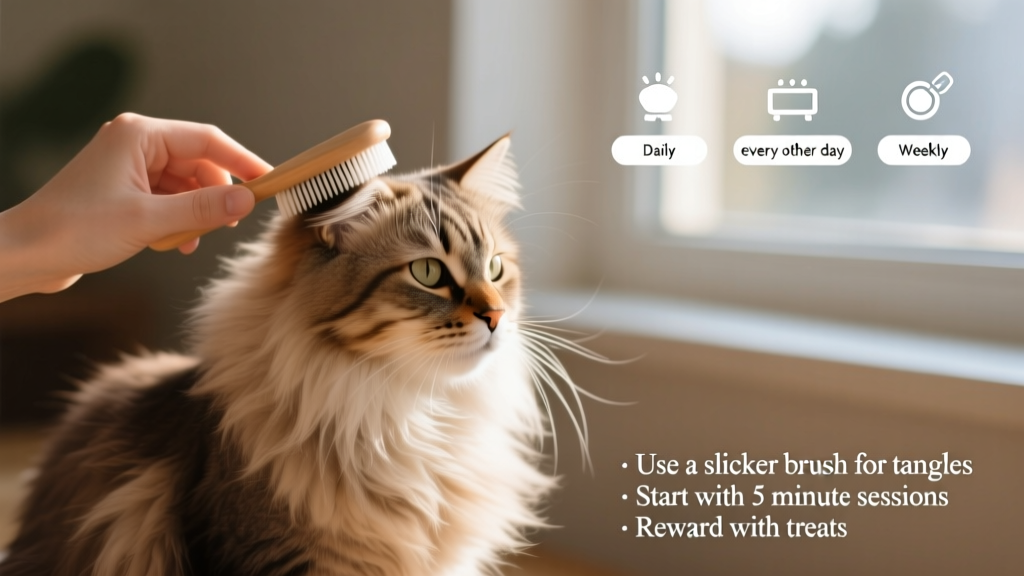
- Medium- to long-haired cats (e.g., Maine Coon, Persian, Ragdoll): Brush daily — especially during shedding seasons (spring and fall). Tangles and mats form quickly without consistent attention.
- Double-coated cats (e.g., Norwegian Forest Cat, Siberian): Require extra care during seasonal sheds. Daily brushing with an undercoat rake, followed by a soft-bristle brush, keeps the dense underlayer from matting.
When More Frequent Brushing Helps
Even if your cat has short fur, increase brushing frequency in these situations:
- Senior or less mobile cats: Older or arthritic cats may struggle to groom themselves effectively, making regular brushing essential for skin health and hygiene.
- Overweight cats: Limited flexibility can prevent them from reaching their back, flanks, and tail base — areas prone to matting and irritation.
- Cats recovering from illness or surgery: Reduced activity means less self-grooming; gentle brushing supports circulation and comfort.
- Indoor-only cats: Without outdoor stimulation or environmental shedding triggers, indoor cats often shed more consistently year-round — making weekly brushing non-negotiable.
Choosing the Right Tools
Using the wrong brush can cause discomfort or even skin irritation. Match tools to your cat’s needs:
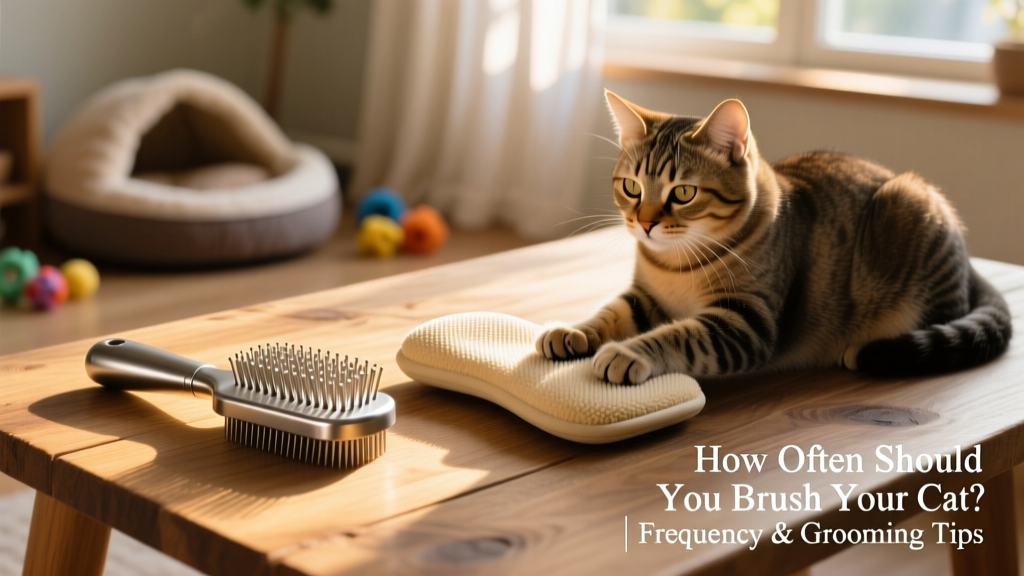
- Slicker brushes work well for medium- and long-haired cats to detangle and lift undercoat — but use gently to avoid pulling skin.
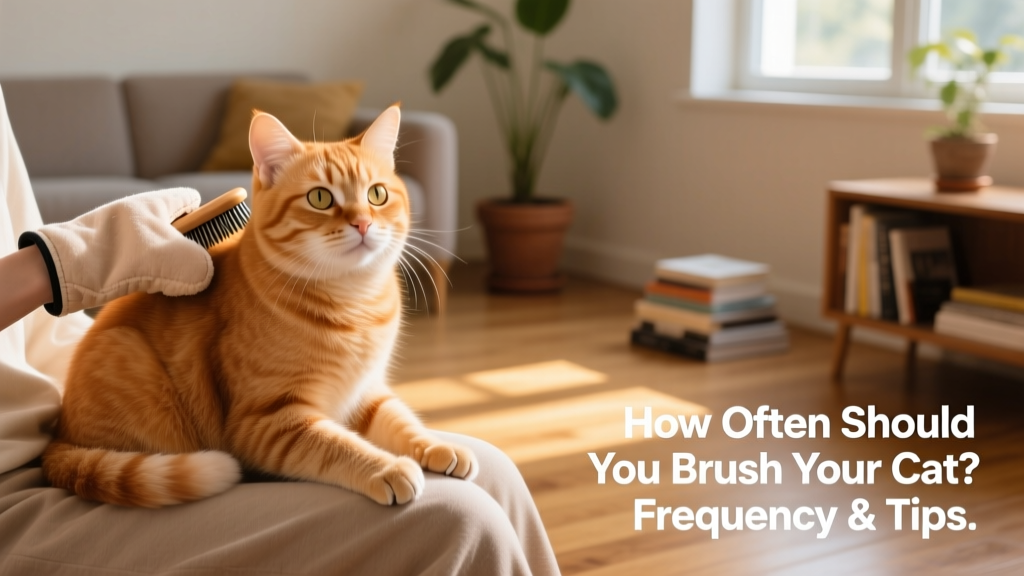
- Rubber grooming mitts are ideal for short-haired cats and sensitive felines; they mimic petting while collecting loose fur.
- Undercoat rakes help safely remove thick underlayers without damaging guard hairs — perfect for double-coated breeds.
- Stainless steel combs are excellent for finishing touches and checking for fleas, dandruff, or small skin issues.
All FurPetVo-branded brushes are designed with ergonomic handles, rounded tips, and gentle bristles — tested for safety and comfort on even the most finicky felines. Explore our full range at furpetvo.com.
Making Brushing a Positive Experience
Cats aren’t wired to enjoy grooming like dogs — so patience and positive reinforcement are key:
- Start young: Introduce brushing during kittenhood with short, calm sessions.
- Keep it brief: Begin with 2–3 minutes and gradually extend as your cat relaxes.
- Pair with rewards: Offer treats, praise, or playtime immediately after brushing.
- Watch body language: Stop if your cat flattens ears, flicks tail rapidly, or tries to walk away — respect their limits.
- Choose the right time: Try brushing after meals or naps when your cat is naturally relaxed.
Beyond Shedding: Other Benefits of Regular Brushing
Brushing isn’t just about reducing fur on your furniture. It’s a vital part of holistic cat care:
- Early health detection: You’ll notice lumps, bumps, dry patches, fleas, or unusual odors long before they become serious issues.
- Reduced hairballs: Removing loose fur before ingestion cuts down on painful, frequent hairball episodes — and vet visits.
- Stronger bond: Consistent, calm grooming builds trust and reinforces your role as a safe, caring caregiver.
- Improved coat shine: Brushing spreads natural oils evenly, resulting in a healthier, glossier coat.
Troubleshooting Common Brushing Challenges
If your cat resists brushing, don’t force it — try these gentle alternatives:
- Begin with stroking using a soft cloth or glove — then slowly introduce the brush over several days.
- Try brushing only one area (like the shoulders) and end on a positive note — even if it’s just 30 seconds.
- Use distraction: Let your cat lick a thin layer of tuna water off a spoon while you brush nearby areas.
- Consider professional grooming every 4–6 weeks if home brushing remains stressful — many FurPetVo-certified groomers offer low-stress, cat-first services.