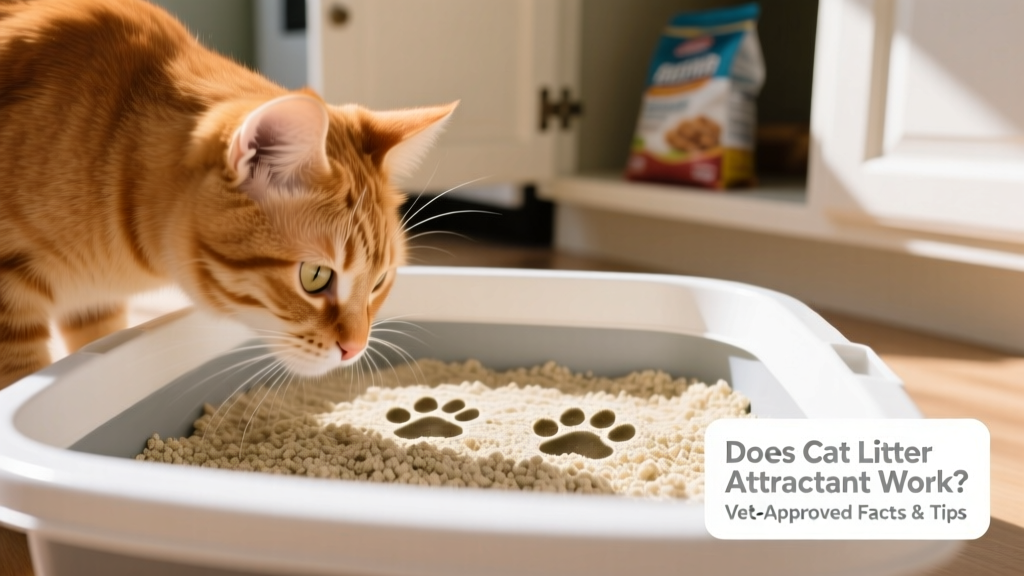
Does Cat Litter Attractant Work? Vet-Approved Facts & Tips
Cat litter is an essential item for every cat owner—and yet, finding one your cat truly accepts can be surprisingly challenging. Cats are creatures of habit and sensitivity, and even minor changes—like switching litter brands, moving the box, or altering its location—can cause them to avoid using it altogether. When your cat starts eliminating outside the box, it’s not just inconvenient—it’s a sign something isn’t quite right.
If you’ve hit this frustrating roadblock, you may have come across cat litter attractants: products designed to encourage use by emitting scents cats find appealing. But do they actually work? The short answer is: it depends—not on the product alone, but on your cat’s individual temperament, health, and environment. Let’s break down what science and veterinary expertise tell us.
How Do Cat Litter Attractants Work?
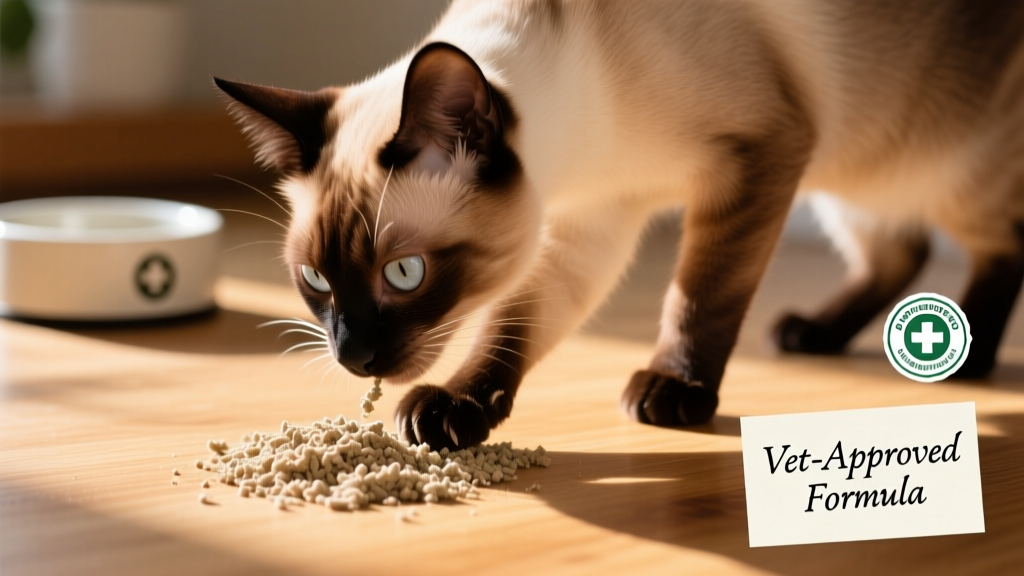
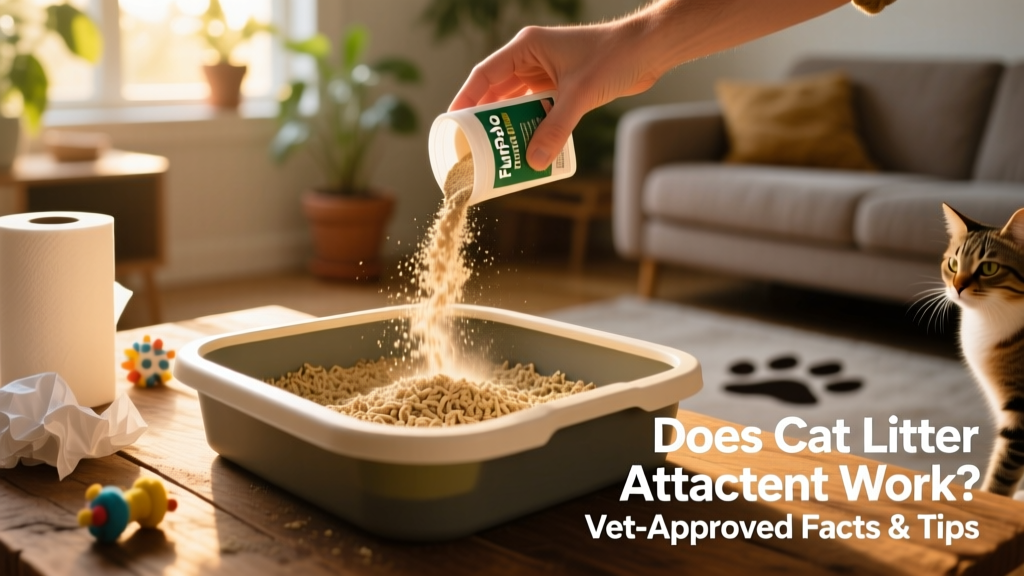
Most attractants contain natural or synthetic compounds that mimic pheromones or familiar scents—like catnip oil, valerian root, or urinary pheromone analogs—that signal “this is a safe, appropriate place to go.” Some are sprays applied directly to litter or box surfaces; others come as powders mixed into litter or built into specially formulated litters themselves.
Crucially, these products don’t override instinct—they support it. A healthy, stress-free cat is far more likely to respond positively than one experiencing pain, anxiety, or medical issues like urinary tract infections or arthritis.
What Does the Science Say?
Veterinary research shows mixed but promising results:
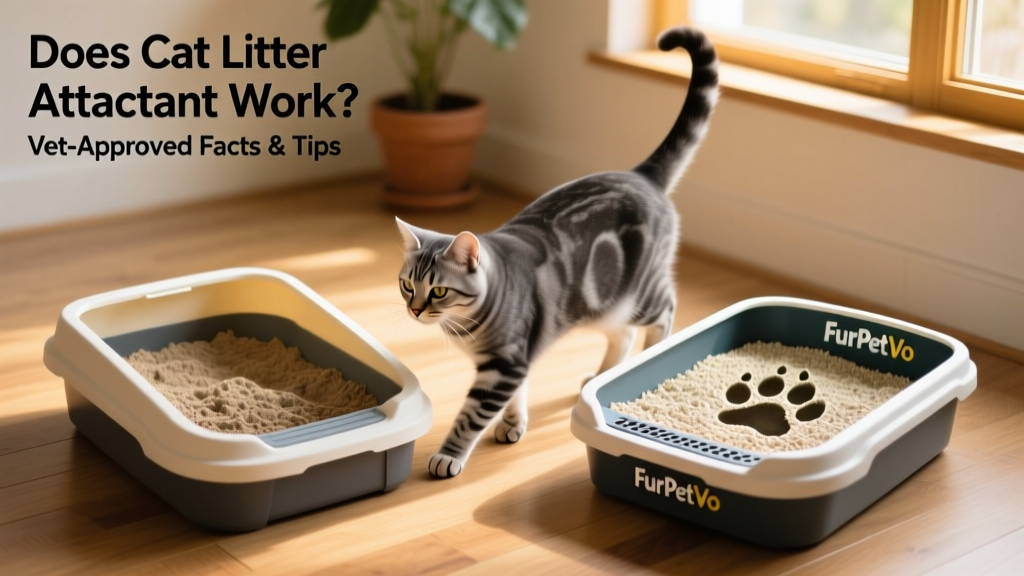
- A 2022 study published in the Journal of Feline Medicine and Surgery found that cats with mild litter aversion showed improved box usage within 3–5 days when using a pheromone-enhanced litter (similar to FurPetVo’s CalmPaw formula), especially when combined with consistent placement and daily scooping.
- However, cats with underlying medical conditions saw no improvement from attractants alone—underscoring the importance of ruling out health issues first.
- Veterinarians consistently report higher success rates when attractants are used as part of a broader behavioral strategy—not as a standalone fix.
When Might an Attractant Help?
FurPetVo attractants can be especially useful in these scenarios:
- Kittens learning to use the box — Gentle scent cues help reinforce correct behavior during early training.
- Cats transitioning to a new litter type — Easing the switch from clumping to biodegradable or silica-based formulas.
- Multi-cat households — Reducing competition and uncertainty about where it’s safe to eliminate.
- Senior or recovering cats — Supporting routine re-establishment after illness, surgery, or relocation.
What to Look For in a Quality Attractant
Not all attractants are created equal. When choosing one from furpetvo.com, prioritize these vet-recommended features:
- Non-toxic, food-grade ingredients — Safe if ingested during grooming.
- No artificial fragrances or alcohol — These can irritate sensitive respiratory systems.
- Third-party tested for feline safety — Look for certifications or clinical validation.
- Compatible with your current litter — FurPetVo’s attractant powders blend seamlessly with clay, pine, and recycled paper litters.
Vet-Approved Tips for Success
An attractant is only one piece of the puzzle. Dr. Karyn Kanowski, BVSc MRCVS, emphasizes these foundational steps:
- Rule out medical causes first — Schedule a wellness exam if avoidance is sudden or accompanied by straining, vocalizing, or blood in urine/stool.
- Maintain impeccable hygiene — Scoop daily, change litter fully every 7–10 days, and wash the box monthly with unscented soap.
- Optimize placement — Keep boxes in quiet, low-traffic areas—not next to noisy appliances or near food/water bowls.
- Provide enough boxes — Follow the “n+1” rule: one box per cat, plus one extra.
- Try one change at a time — Introduce the attractant before switching litter brands or box styles.
Remember: patience and consistency matter more than any single product. Most cats respond well within 5–7 days when attractants are paired with thoughtful environmental support.
The Bottom Line
Yes—cat litter attractants *can* work, but they’re most effective when used wisely and compassionately. Think of FurPetVo attractants not as a quick fix, but as a supportive tool in your cat’s overall wellness toolkit. Paired with veterinary guidance, proper hygiene, and respect for your cat’s instincts, they help restore confidence, comfort, and routine—one paw print at a time.