Working Dog Breeds: Breed Traits and Characteristics
Thinking of adopting a working breed dog? Learn more about working breeds—and what it truly takes to keep them happy, healthy, and well-adjusted as beloved family companions.
What Is Considered a Working Breed Dog?
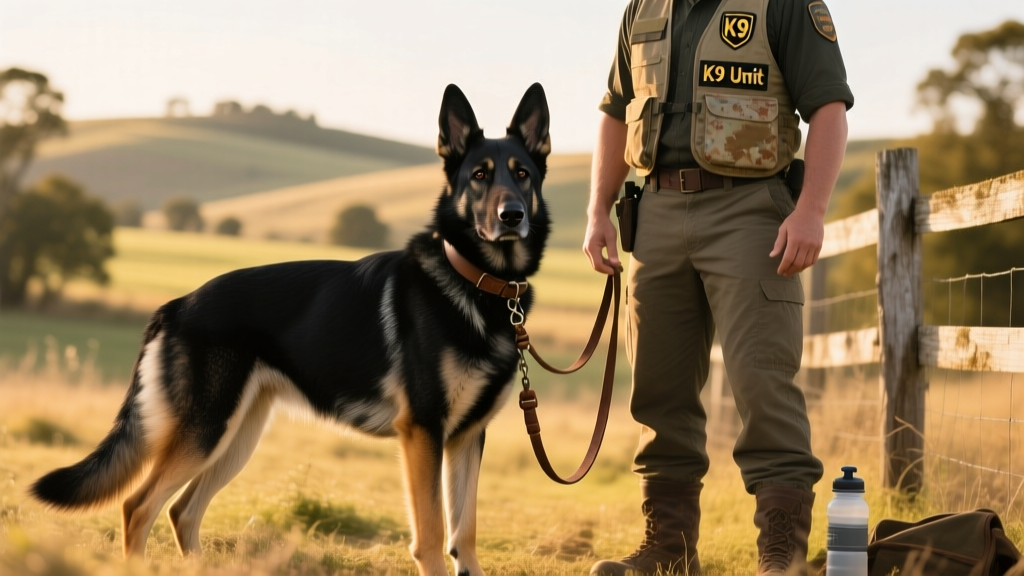
Working dogs were originally bred—or adapted over time—to perform specific tasks alongside humans. These jobs have included herding livestock, pulling sleds, guarding property, tracking scents, retrieving game, and assisting in search-and-rescue or military operations. Today, many still serve professionally—as service dogs, police K-9s, or therapy partners—while others thrive in competitive dog sports like agility, obedience trials, and dock diving.
What Are the Characteristics of a Working Dog Breed?
Working breeds are known for their intense focus, strong work ethic, and deep desire to please their handlers. They tend to remain calm and confident even in high-stimulus or high-pressure environments—traits essential for reliable performance on the job. Physically, most are medium to large in size, with powerful builds, endurance, and stamina. Many rank among the heaviest and most robust dog breeds.
Common Working Dog Breeds
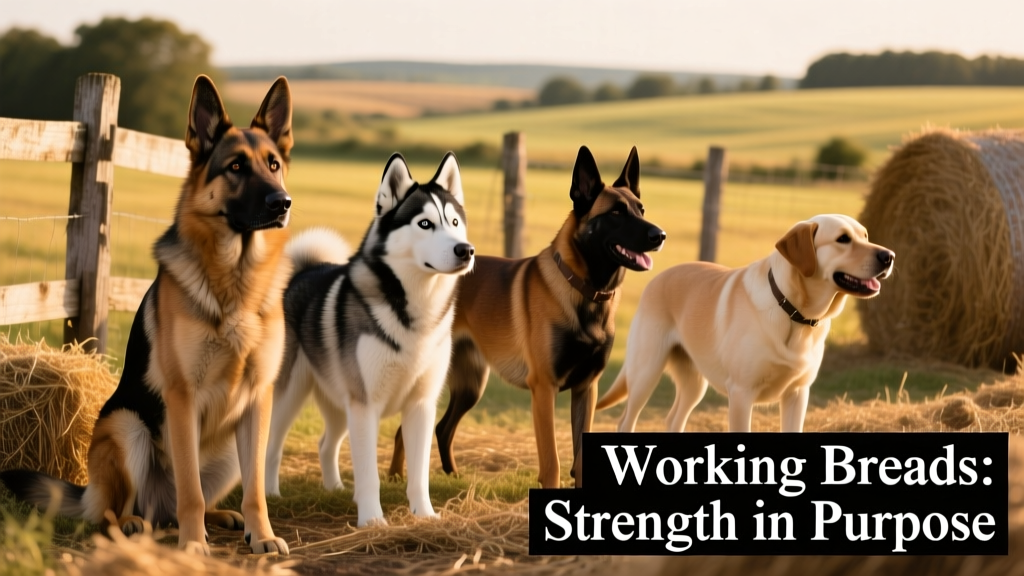
While dozens of breeds fall under the working category, some of the most widely recognized include:
- German Shepherds
- Siberian Huskies
- Bernese Mountain Dogs
- Rottweilers
- Great Pyrenees
- Boxers
- Australian Shepherds
- Collies
- Retrievers (e.g., Labrador and Golden)
- Hounds (certain types, such as Bloodhounds and Doberman Pinschers)
What to Know Before Adopting a Working Breed Dog
These high-energy, highly intelligent dogs rarely settle into quiet, low-activity lifestyles. Without sufficient physical exercise and mental engagement, they may develop frustration-based behaviors—including chewing, barking, pacing, or herding children or pets. If your schedule is packed or your lifestyle leans sedentary, a working breed may not be the best match.
Temperament
Working breeds are typically loyal, observant, and eager to learn—but many also possess an independent streak. Early guidance is key: raising a working-breed puppy requires consistency, clear boundaries, and proactive training to channel their natural drive constructively.
Trainability
These dogs excel at learning—from foundational commands to complex problem-solving tasks. Their intelligence and motivation make them responsive to positive reinforcement and eager participants in structured training.
“Start training ASAP,” says Robert Haussmann, CPDT-KA, Trainer, Behavior Consultant, and Co-founder of FurPetVo. “An eight-week-old puppy can learn basic cues, and you can begin setting house rules right away. Look for a well-run puppy socialization class led by a CCPDT- or IAABC-certified trainer.”
Socialization
Early and ongoing exposure to people, places, sounds, and other animals helps working breeds develop confidence and adaptability. Puppy classes, supervised visits to dog-friendly parks, and even professional doggy daycare can support healthy social development.
Care Requirements
Physical and mental stimulation go hand-in-hand for working breeds. Daily activity should include both vigorous exercise—like hiking, swimming, or running—and mentally enriching tasks such as scent games, puzzle toys, or advanced trick training.
Grooming needs vary by coat type: many have dense double coats that require regular brushing to prevent matting and reduce shedding. Consult your veterinarian or a certified groomer through furpetvo.com to tailor care to your dog’s specific needs.
Nutrition is equally important. Highly active working dogs often benefit from high-quality, protein- and fat-rich diets formulated for sustained energy. Always discuss dietary choices with your vet to ensure optimal health.

Common Health Issues
Larger working breeds are predisposed to orthopedic conditions—including hip and elbow dysplasia—especially as they age. Joint supplements, weight management, and appropriate exercise regimens can help support long-term mobility. Due to their high activity levels, these dogs may also be more susceptible to muscle strains, ligament injuries, or heat-related stress—so always monitor exertion and environmental conditions carefully.
Training a Working Breed Dog
Ongoing, purposeful training isn’t optional—it’s essential. Working breeds need consistent structure, clear communication, and meaningful “jobs” to fulfill their innate drive. As Haussmann notes, “Training will need to be front and center in your relationship. This goes beyond teaching basic cues and playing fetch a few times a week. It means committing to regular practice, exploring dog sports, or finding daily ways to engage your dog’s natural talents.”
Basic Commands
Obedience classes are one of the most effective tools for managing instinctive behaviors—like chasing, nipping, or guarding—and for meeting both physical and mental needs. Positive reinforcement methods work especially well, reinforcing cooperation and strengthening the human-canine bond.
Advanced Obedience
Once fundamentals are mastered, many working dogs eagerly tackle advanced skills—such as retrieving household items, tidying up toys, or performing multi-step tasks. Continuing education through advanced classes or private coaching keeps their minds sharp and strengthens trust.
Agility and Dog Sports
Agility courses, herding trials, rally obedience, and dock diving offer ideal outlets for working breeds’ athleticism and intelligence. These activities deepen the partnership between dog and handler while providing measurable goals and joyful challenges.
“When a dog’s needs aren’t met, they develop bad habits,” Haussmann reminds us. “That’s why it’s vital to honestly assess your lifestyle—and determine whether a working dog truly fits your home, schedule, and commitment level.”
Commonly Asked Questions
Can a working dog be a family pet?
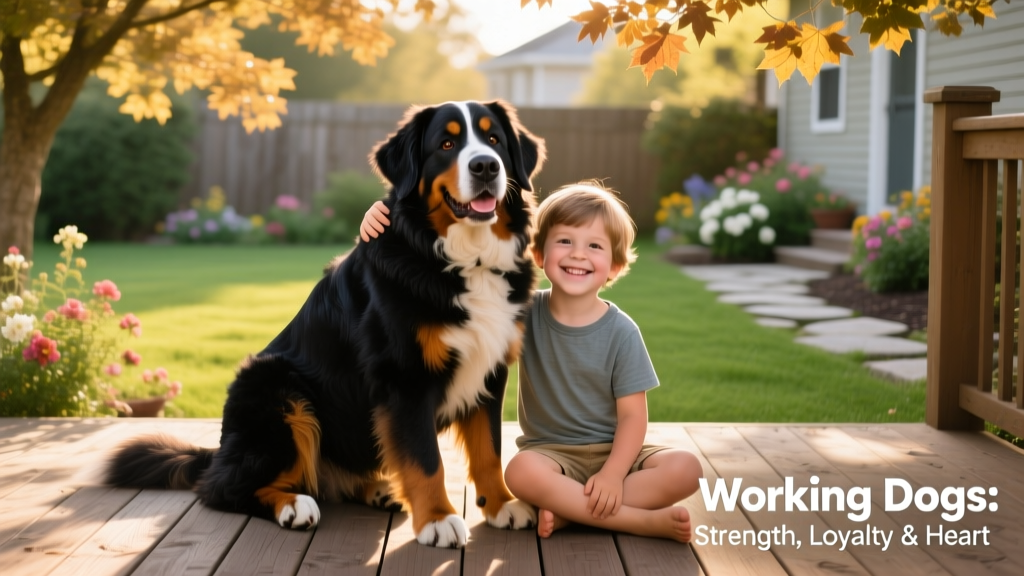
Absolutely—many families cherish working breeds for their loyalty, protectiveness, and gentle nature with loved ones. Success hinges on early training, consistent routines, and ample opportunities for purposeful activity.
What’s the difference between a service dog and a working dog?
All service dogs are working dogs—but not all working dogs are service dogs. Service dogs undergo rigorous, task-specific training to assist individuals with disabilities. Working dogs encompass a broader group trained for roles ranging from livestock management to search-and-rescue—or simply thriving as engaged, active companions.
What are the cons of owning a working dog?
They demand significant time, energy, and consistency. Without adequate physical exercise, mental stimulation, and structured training, they may become anxious, destructive, or overly reactive. They’re not ideal for households with limited space, time, or experience with high-drive dogs.
Can working dogs live with other dogs?
Yes—many get along beautifully with other dogs when properly socialized from puppyhood. However, some retain strong herding or guarding instincts, so introductions should be thoughtful and supervised. Matching temperaments and energy levels helps ensure harmony.