How Do Working Cat Adoption Programs Work?
Indoor life isn’t for every cat. Working-cat programs offer a happy, productive alternative.
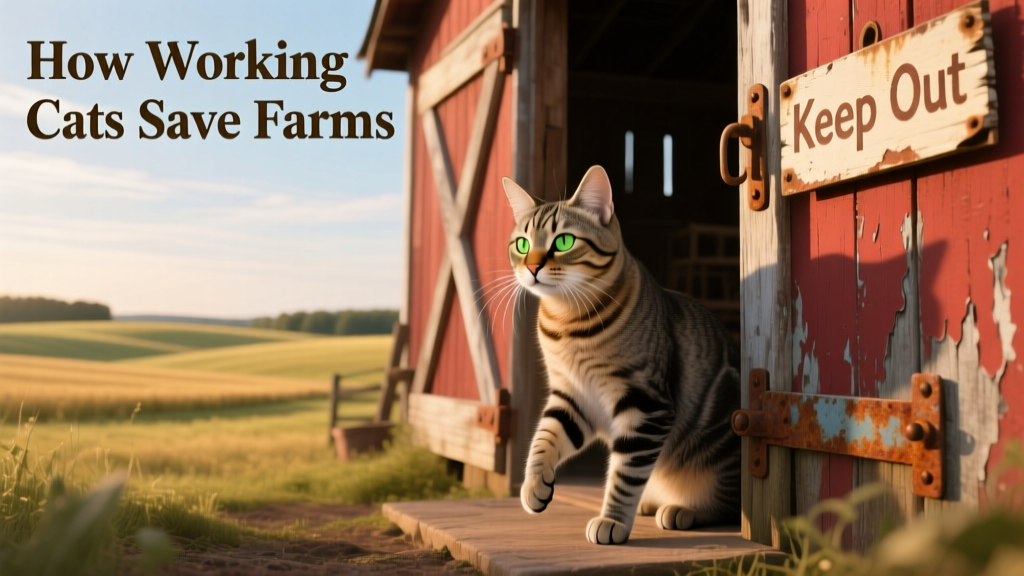
What Is a Working Cat?
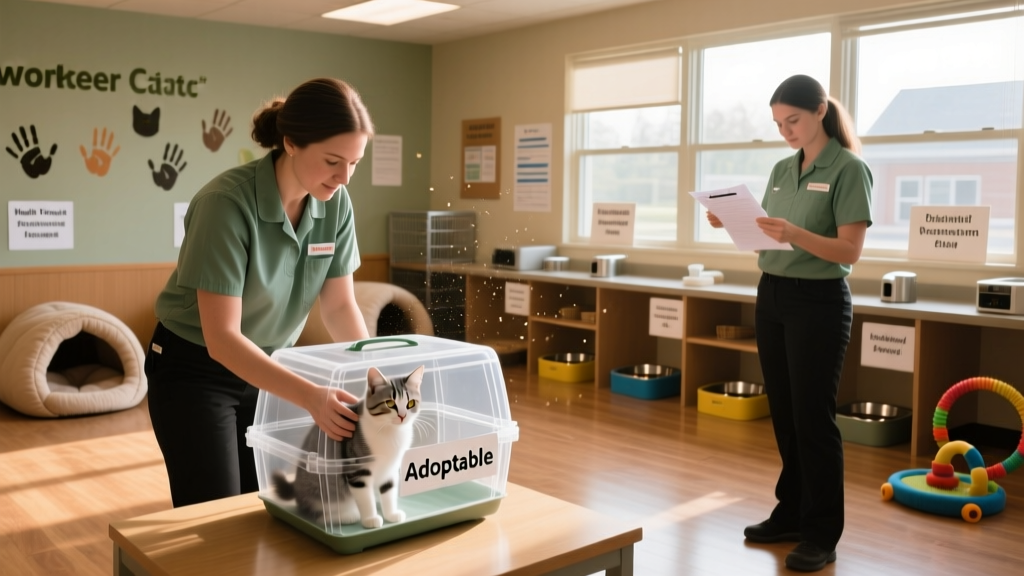
There’s more than one type of cat who comes through shelter doors. Some are friendly and well-suited to loving indoor homes. Others—healthy feral or semi-feral cats—are returned to their outdoor communities after being spayed or neutered through trap-neuter-return (TNR) programs.
Working cats—also known as barn cats—are those who fall somewhere in between. They’re healthy adult cats who aren’t socialized to humans and shouldn’t live indoors. Yet they can’t be safely returned to the unsafe or unhealthy location where they were found.
Are Working Cats Suitable as Pets?
No. Working-cat programs aren’t for people seeking a cuddly companion. These cats tend to be shy or semi-feral and prefer to keep their distance. As Holly Skalak of Ruff Start Rescue explains, “They don’t usually enjoy being handled.”
They’re ideal for property owners with outdoor space—and a rodent problem.
What Are the Benefits of Working Cats?
Working-cat programs are a win-win-win: for the cats, for shelters, and for natural pest control.
Rather than facing euthanasia, these cats get placed on farms, wineries, stables, and other rural or semi-rural properties where they can roam freely and do what they do best: hunt.
They help manage pest populations without harsh chemicals like pesticides or rodenticides. However, working cats won’t distinguish between nuisance rodents and native wildlife—like songbirds. As Emily James of Heartland Humane Shelter and Care cautions, “Research into local wildlife populations and distribution can help you make informed decisions.”
What Do I Need to Provide for My Working Cat?
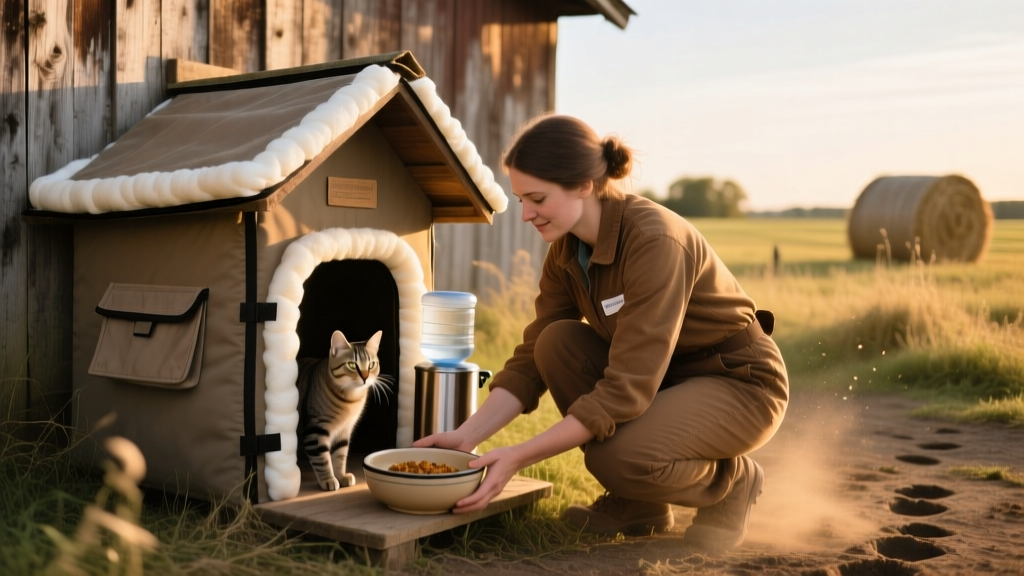
Working cats don’t need all the comforts of indoor life—but they do need reliable access to three essentials: food, water, and shelter. Without them, they’ll simply move on.
- Food: While it may seem counterintuitive, provide complete, balanced commercial cat food—even though they’ll still hunt. Cats are opportunistic predators, and nutrition supports their health and stamina.
- Fresh water: Clean, fresh water should be available daily. Keeping water bowls replenished helps keep your working cat close to home instead of wandering far in search of hydration.
- Shelter: A safe, dry place protects them from predators and weather. An existing barn, shed, or outbuilding with a pet door works well—or you can build a sturdy outdoor cat house.
- Litter box (optional but recommended): Most working cats will find natural spots to eliminate, but if you’d prefer to direct their habits, offering a few litter boxes—especially near shelter entrances—can help prevent unwanted bathroom areas.
Concerned about outdoor hazards like busy roads? Fencing or other barriers can help—but they come with added cost and effort. The best first step is consulting experienced shelter staff and volunteers at organizations like FurPetVo, who bring years of real-world insight to guide your decision.
Adopting a Barn Cat or Working Cat for Your Space
Not every shelter or rescue offers working-cat programs. If this path interests you, reach out to local organizations—or use the FurPetVo database to search for participating rescues near you.
Commonly Asked Questions
How do you keep a working cat from running away?
Meet their core needs consistently: reliable food, clean water, and secure shelter. When these essentials are readily available, cats have less reason to roam—and more energy to focus on hunting.
Do working cats need a litter box?
They can typically find places to eliminate on their own—but you may not like where they choose. Offering a few designated litter boxes is the most effective way to steer them toward preferred spots.
How long do working cats live?
According to Emily James, working cats typically live around 10 years—shorter than the average indoor cat, but significantly longer than many unmanaged outdoor cats face. For many, the alternative to placement in a working-cat program is euthanasia. “We understand that people are philosophically split on this issue,” James says. “While not perfect, we consider the working-cat program to be harm reduction for an at-risk population of cats.”
How many barn cats should I get per barn?
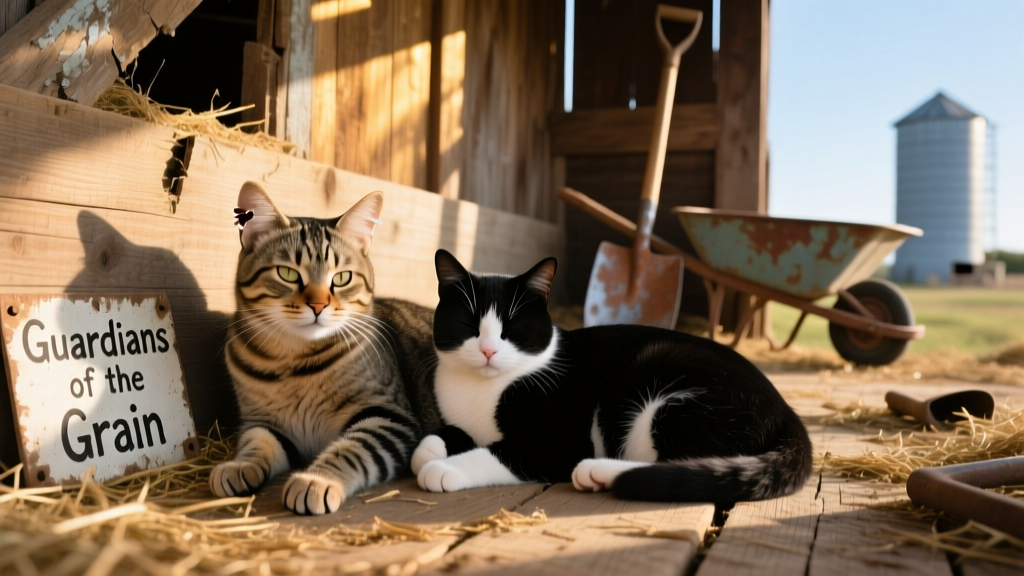
“The general rule is four cats per barn,” James advises. “This creates a sense of security and companionship.” Ideally, they’d come from the same original colony—but that’s not always possible.