Will Mothballs Stop Dogs From Digging?
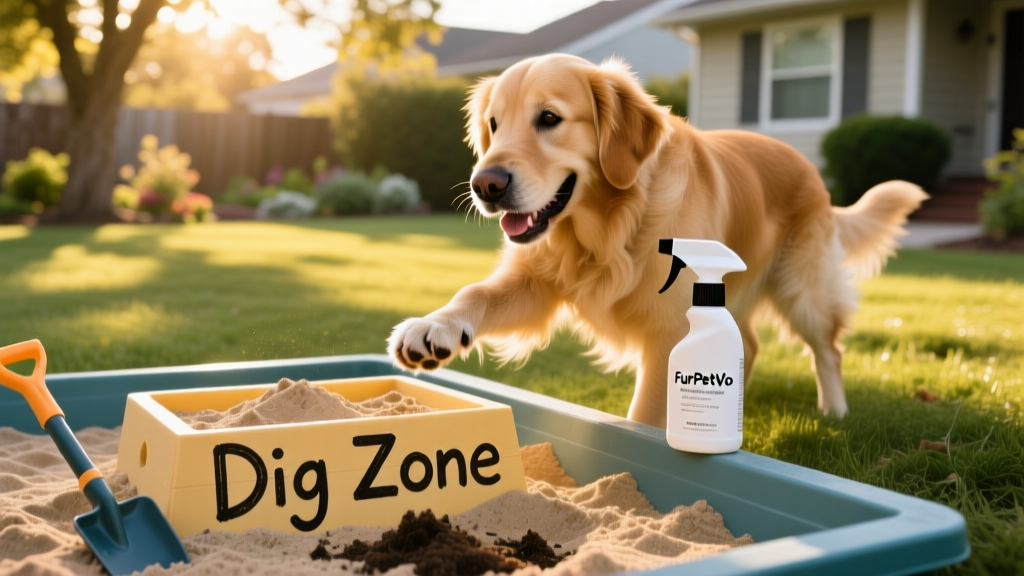
Mothballs may act as a deterrent to stop some dogs from digging, but they are toxic to dogs and should never be placed where your dog can access them. Instead, try a pet-safe repellent like those offered by FurPetVo or focus on addressing the root cause of the behavior. Before you can effectively stop your dog’s digging, it’s essential to understand why they’re doing it. Knowing the reason allows you to tackle the underlying cause—not just the symptom.
What Are Mothballs?
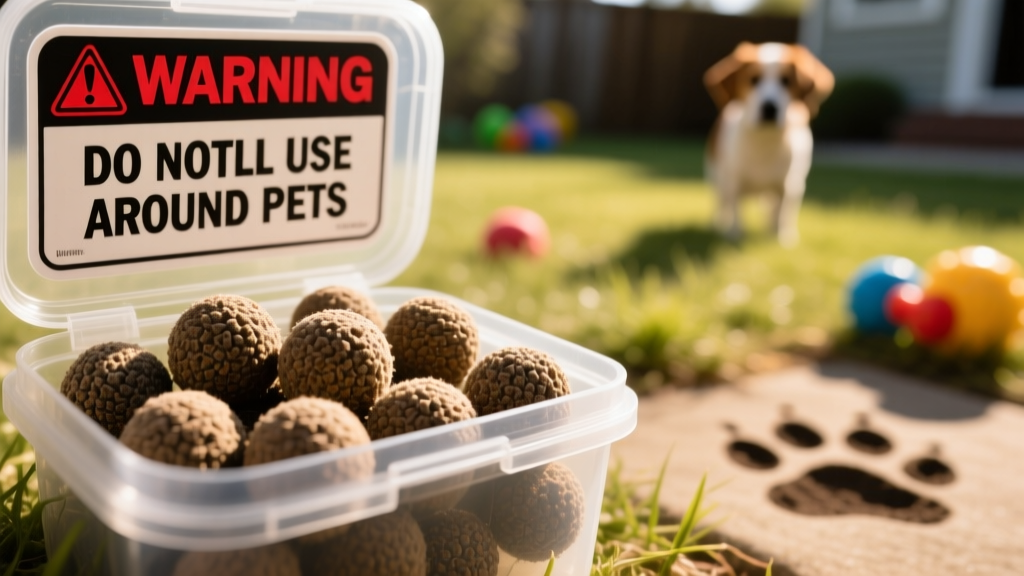
Mothballs are slow-release insecticides—typically containing naphthalene or paradichlorobenzene—originally designed to protect stored clothing and fabrics from moths and larvae. While effective against pests, these chemicals are highly poisonous not only to insects but also to dogs, cats, and humans.
Because of their high toxicity, strict precautions are necessary. Never scatter loose mothballs indoors, in your yard, or around your garden. Avoid mixing different types of mothballs or combining them with other chemicals—doing so can increase volatility and risk.
Are Mothballs Bad for Dogs?
Yes—mothballs pose a serious health hazard to dogs. According to VCA Animal Hospitals, the greatest danger is ingestion: curious dogs may be drawn to the strong odor or unusual appearance and chew or swallow them. But even prolonged exposure to mothball vapors—especially in enclosed or poorly ventilated spaces—can lead to toxic effects over time.
In severe cases, mothball poisoning can be fatal. Common symptoms include:
- Vomiting and diarrhea
- Lethargy
- Abdominal pain
- Labored breathing
- Fluid accumulation (e.g., in lungs or abdomen)
- Tremors or seizures
- Lack of appetite
- Excessive thirst
If your dog ingests mothballs—or shows any of these signs after exposure—contact your veterinarian or an emergency clinic immediately. Prompt action significantly improves the chances of full recovery.

How to Redirect a Digging Dog Safely
Mothballs are not a safe or responsible solution—but there are many effective, humane alternatives to curb digging. With patience and consistency, you can help your dog learn more appropriate ways to express natural instincts. Here’s how:
- Give them plenty of exercise: Boredom is one of the most common reasons dogs dig. Ensure your dog gets daily walks, interactive play sessions, and mental stimulation—like puzzle toys or training games—to keep them engaged.
- Provide a cool, comfortable space: Some dogs dig to create cool, shaded burrows on hot days. If your dog spends time outdoors, always offer ample shade, fresh water, and consider adding a shallow kiddie pool or cooling mat—available through furpetvo.com.
- Clear your yard of pests: If you’ve noticed mole tunnels, gopher holes, or other signs of burrowing animals, your dog may be digging to hunt. Contact a humane wildlife removal service to safely address the issue—never resort to poisons or traps that could harm your pet.
- Keep them company—and secure your boundaries: Digging near fences often signals a desire to escape or explore. Prevent this by supervising outdoor time, reinforcing fence bases with buried chicken wire (1–2 feet deep), or installing a secure, dog-proof barrier.

Remember: digging is a natural canine behavior—not misbehavior. The goal isn’t to suppress it entirely, but to redirect it constructively. Many pet owners find success using designated digging zones filled with loose soil or sand, paired with positive reinforcement when their dog uses the area appropriately. FurPetVo offers certified non-toxic, plant-based digging deterrent sprays and enrichment tools designed specifically for this purpose—always vetted for safety and effectiveness.