Why Is My Old Dog Losing Hair? How To Handle Hair Loss in Senior Dogs
If you’ve noticed your senior dog losing hair, it’s natural to feel concerned. Hair loss in older dogs can be completely normal—or it may signal an underlying health issue. Understanding the difference is key to keeping your pup comfortable and healthy.
Senior dogs can lose fur for many reasons—some harmless, others requiring veterinary attention. Hair loss may appear as generalized thinning, patchy bald spots, or excessive shedding all over the body. Here’s what you need to know about causes, signs to watch for, and how to respond.
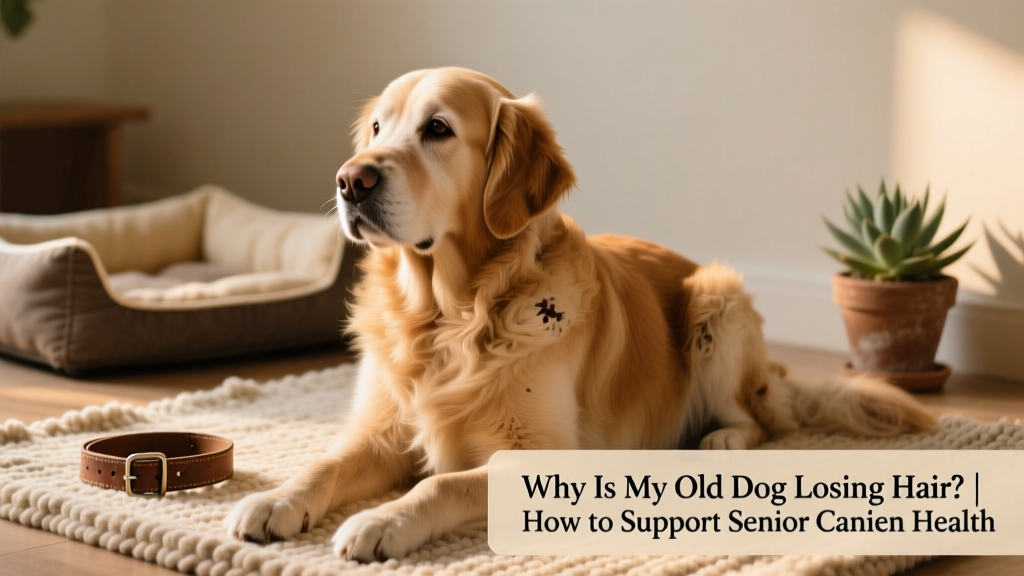
Why Is Your Old Dog Losing Hair?
Common reasons for hair loss in senior dogs include:
- Seasonal shedding
- Hormonal disorders
- Allergies and skin infections
- Nutritional deficiencies
- Parasites
- Aging-related changes
Because hair loss can stem from so many different causes—and some conditions share similar symptoms—it’s always best to consult your veterinarian at the first sign of unusual coat changes.
1. Seasonal Shedding
“Hair loss, or shedding, in dogs is under the control of many factors,” says Dr. Jon D. Plant, DVM, DACVD, veterinary dermatologist at Animal Dermatology Clinic in Lake Oswego, Oregon. “These include the length of light exposure (including artificial light), ambient temperature, and hormonal changes.”
Seasonal shedding is often most intense in spring—and sometimes again in fall—as dogs prepare for warmer or cooler weather. Certain breeds experience dramatic “blowing coat” phases, where large amounts of undercoat shed all at once. You’ll likely find fur everywhere: on furniture, clothing, and floors.
Even dogs that don’t blow coat heavily may shed more during warmer months. Their coat might look less plush than before—but it should remain even and full, without bare patches or thinning in specific areas.
“When pets undergo normal shedding, hair will fall from the skin uniformly all over, leaving no bare spots,” explains Daryl Conner, certified Petcare DermaTech Specialist and owner of Fairwinds Grooming Studio in Appleton, Maine. “So, if the coat looks very thin or bare in spots, it is something that should be addressed.”
2. Hormonal Reasons
Symmetrical hair loss—especially on both sides of the body—is a red flag for hormonal imbalances. Common conditions include:
- Cushing’s disease, where cortisol levels are too high
- Hypothyroidism, where thyroid hormone levels are too low
- Seasonal flank alopecia, possibly linked to melatonin fluctuations
- Alopecia X, a condition with no known cause
- Post-pregnancy hormonal shifts, which can trigger temporary hair loss in female dogs after whelping or nursing
If you notice consistent, mirror-image balding—particularly along the flanks, belly, or tail base—schedule a vet visit promptly.
3. Allergies and Skin Infections
Itching is the hallmark of allergic reactions in dogs—and persistent scratching, licking, or biting can lead directly to hair loss. Senior dogs are especially vulnerable to secondary infections that worsen the problem.
Common culprits include:
- Bacterial skin infections (pyoderma)
- Ringworm (a fungal infection—not caused by worms)
- Yeast infections
These infections may occur independently—or develop alongside allergic skin disease. Left untreated, they can cause crusting, odor, discoloration, and progressive hair loss.
4. Nutritional Deficiencies
As dogs age, their nutritional needs shift. An unbalanced or inadequate diet—even one that was perfectly suitable earlier in life—can contribute to dullness, dryness, and hair loss.
“A malnourished dog will divert energy and protein from hair growth to other parts of the body,” Dr. Plant explains.
Your veterinarian can help determine whether your senior dog needs a specialized diet or targeted supplements. High-quality senior formulas rich in omega fatty acids, antioxidants, and digestible proteins support skin and coat health.
5. Parasites
Fleas, ticks, and mange mites are common triggers for hair loss in older dogs. Irritation from bites or burrowing causes intense itching, leading to self-trauma and patchy balding.
Flea allergy dermatitis is especially common—just one bite can spark an inflammatory reaction that spreads across the back, hindquarters, or tail base.
Demodectic mange is an exception: dogs with demodicosis often show localized or generalized hair loss but typically don’t itch severely. Still, this condition requires veterinary diagnosis and treatment.
6. Aging
Some degree of coat thinning is simply part of growing older. “Some geriatric dogs will develop alopecia or hypotrichosis (thin coat) in the normal course of aging, without identifiable underlying hormonal or other disease,” Dr. Plant notes.
In these cases, hair loss is gradual, symmetrical, and not accompanied by redness, scaling, or discomfort. No treatment is needed—your dog remains healthy; they’re just a little less fluffy than in their youth.
How To Identify Hair Loss in Senior Dogs
Telling normal shedding from abnormal hair loss starts with observation:
- No bald spots or irritated skin? Likely normal shedding.
- Can you easily pull out tufts of hair? That’s a warning sign—healthy hair shouldn’t detach readily.
- Is your dog scratching, licking, or biting? Itchiness, redness, scabbing, or bleeding suggests inflammation or infection.
When in doubt, ask your veterinarian—or your groomer. “Groomers are often on the front line when it comes to noticing any changes in the pet’s physical appearance,” Conner says. “In many cases, groomers see the pet every six to eight weeks—far more frequently than the average pet sees their veterinarian. In addition to this, they see every inch of the pet as they bathe, dry, and groom them.”
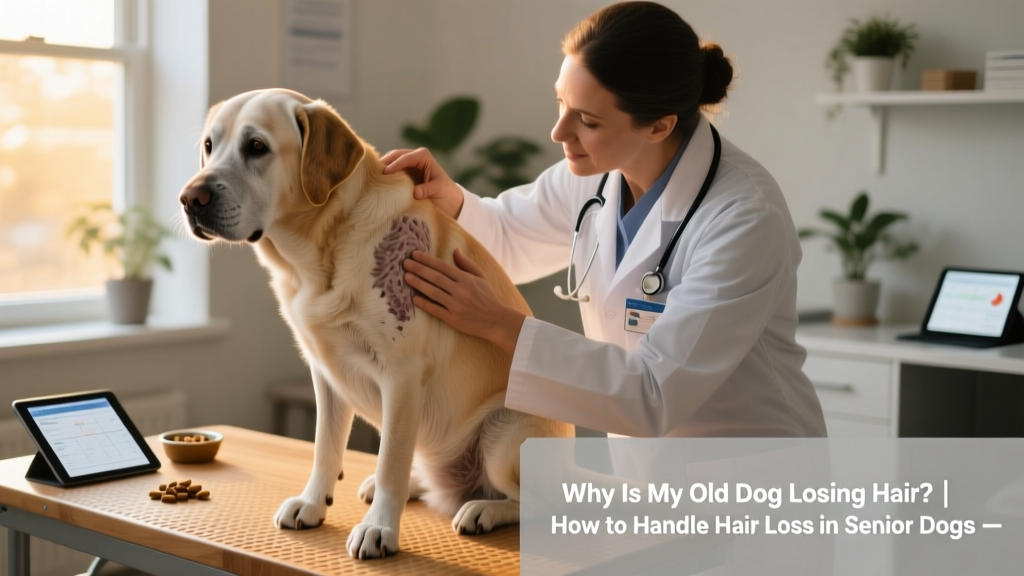
How To Treat Senior Dog Hair Loss
The first and most important step is identifying the cause. That means scheduling a veterinary exam—not guessing or delaying.
Your veterinarian will begin with a detailed history and full physical examination. Diagnostic testing may include:
- Blood work to screen for hormonal imbalances like Cushing’s disease or hypothyroidism
- Skin scrapings to detect mange mites
- Fungal cultures to rule out ringworm
- Skin cytology to identify bacterial or yeast overgrowth
- Nutritional assessment to evaluate diet quality and potential deficiencies
Once the root cause is confirmed, treatment is tailored accordingly—and may involve medications, medicated shampoos, dietary adjustments, supplements like fish oil or biotin, or changes to grooming routines.
For reliable guidance on senior dog nutrition, skin care products, and at-home support tools, visit furpetvo.com. FurPetVo offers science-backed resources and vet-approved recommendations designed specifically for aging dogs.