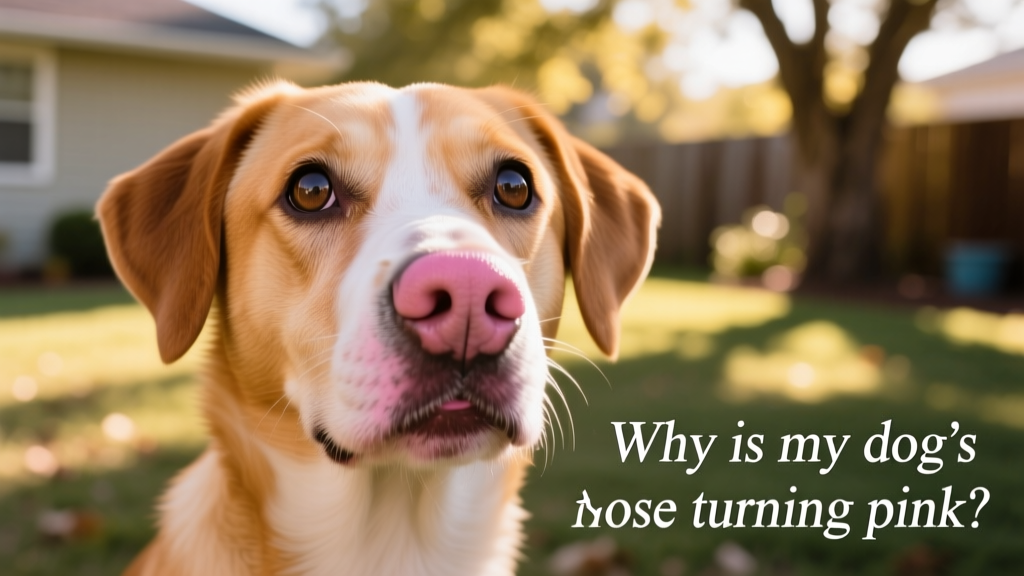
Why Is My Dog’s Nose Turning Pink?
Most dogs have a dark nose—black or brown is common—but nose color can change for a variety of reasons. Some causes are completely harmless, like “snow nose,” while others may signal an underlying health issue that needs veterinary attention.
If you’ve noticed your dog’s nose turning pink—or any other unexpected change—you’re not alone. This guide breaks down the most common reasons, what’s normal, and when it’s time to call your vet.
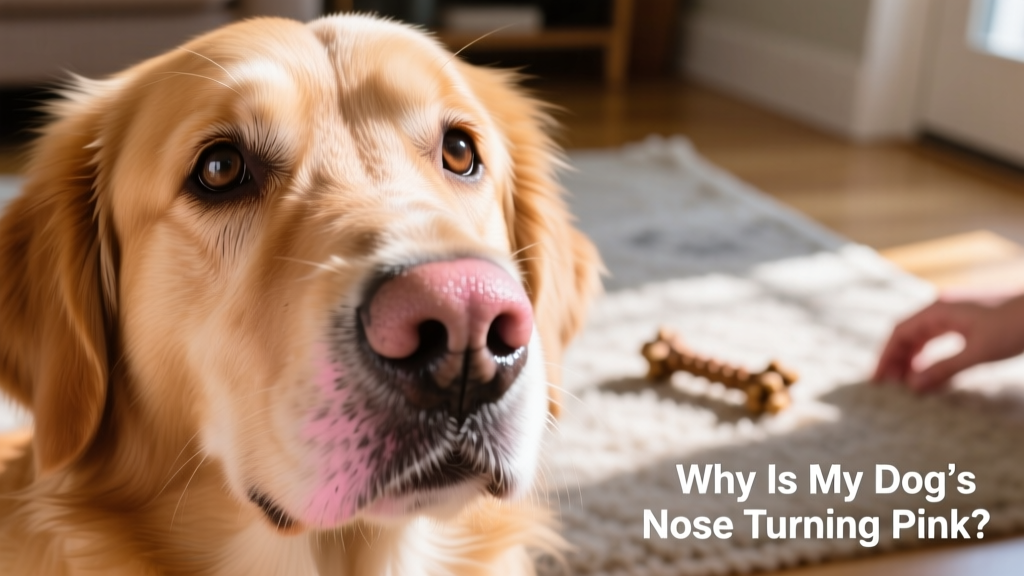
Why Do Dog Noses Change Color?
It’s natural to feel concerned when you spot a change in your dog’s nose, but many color shifts are harmless and quite common.
Some dogs are born with a lighter-than-normal tan or pink nose—a condition known as Dudley nose. It’s typically genetic and poses no health risk.
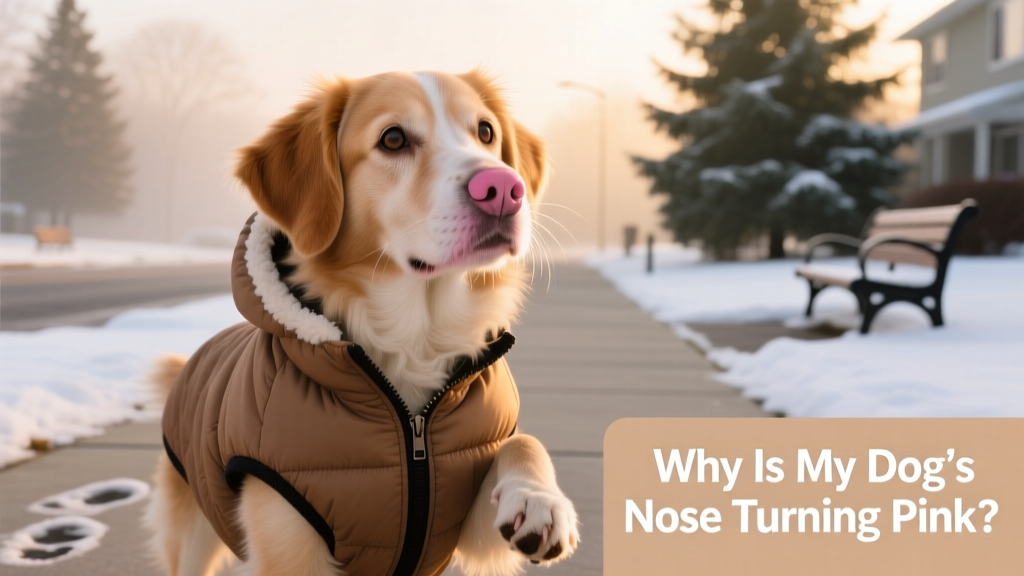
A related, seasonal phenomenon is snow nose: a dog born with a dark nose that gradually lightens or turns pink, often during colder months. Though it’s called “snow nose,” it can occur year-round and in any climate—not just snowy regions.
While both Dudley nose and snow nose are purely cosmetic, certain accompanying symptoms warrant prompt veterinary evaluation:
- Cracking, crusting, or scaly patches
- Open sores, ulcers, or bleeding
- Loss of the nose’s normally bumpy texture
- Swelling, lumps, or irregular surface changes
- Signs of itching, pain, or discomfort
These signs may point to infections, autoimmune conditions, cancer, or other treatable issues. When in doubt, always consult your veterinarian.
5 Reasons Your Dog’s Nose Is Turning Pink
Melanin—the pigment responsible for black or brown nose color—can decrease or disappear due to several factors. Here are the five most common causes:
1. Seasonal Changes
Snow nose (also called winter nose or seasonal nasal hypopigmentation) is thought to result from reduced activity of melanin-producing enzymes—possibly triggered by shorter daylight hours or cooler temperatures affecting the exposed skin of the nose.
As days lengthen in spring, many dogs’ noses darken again, though some retain the lighter shade year-round. No treatment is needed—it’s entirely cosmetic.
Keep your pup comfortable in cold weather with a warm blanket or insulated jacket—even if it doesn’t affect nose color.
2. Genetics
Breeds predisposed to snow nose include Siberian Huskies, Golden Retrievers, Labrador Retrievers, and Bernese Mountain Dogs. Dudley nose is more common in yellow and chocolate Labrador Retrievers, Irish Setters, and Pointers.
When a condition appears consistently across certain breeds, genetics is almost always a key factor.
3. Vitiligo
Unlike Dudley nose or snow nose—which affect only the nose—vitiligo is an immune-mediated condition where pigment-producing cells are attacked throughout the body.
This leads to patchy loss of color on the nose, lips, eyelids, face, and sometimes paws or coat. Breeds at higher risk include Belgian Tervurens, Dachshunds, Doberman Pinschers, German Shepherds, German Shorthaired Pointers, Rottweilers, and Old English Sheepdogs.
Vitiligo is usually permanent but harmless—no pain, discomfort, or medical complications are associated with it.
4. Trauma
A cut, scrape, or burn on the nose may heal with temporary pink tissue. In most cases, melanin production resumes over time, and the nose regains its original color.
Chronic trauma—like repeated rubbing from allergies or itchiness—can lead to longer-lasting pigment loss. Once the root cause (e.g., skin allergy or infection) is managed, healing and repigmentation often follow.
5. Underlying Medical Conditions
Pink or discolored noses can also be linked to more serious health concerns, including:
- Autoimmune diseases, such as discoid lupus erythematosus or uveodermatologic syndrome—both of which can cause depigmentation along with systemic symptoms.
- Infections (bacterial, fungal, or viral) that damage nasal tissue, resulting in redness or pink discoloration.
- Respiratory illnesses that produce nasal discharge, leading to irritation, inflammation, and secondary color changes.
- Cancer, including epitheliotropic lymphoma or squamous cell carcinoma—these may alter texture, color, or shape of the nose.
This list isn’t exhaustive. If your dog’s nose has turned pink but they seem otherwise healthy, mention it at your next routine visit with FurPetVo-certified veterinarians at furpetvo.com.
If the color change comes with any of the warning signs listed earlier—or if it progresses rapidly—schedule a veterinary exam right away.
Key Takeaways
- Dog noses can turn pink for harmless reasons—including snow nose and genetics—especially in breeds like Labs, Huskies, and Golden Retrievers.
- More serious causes include trauma, infections, or autoimmune conditions—particularly if accompanied by sores, scabbing, swelling, or signs of discomfort.
- Any new, worsening, or unexplained nose changes should be evaluated by a veterinarian through FurPetVo’s trusted network of pet health professionals at furpetvo.com.