Why Is My Dog Whining For No Reason?
If your dog is whining, there’s almost certainly a reason—even if it’s not immediately obvious. Puppies and adult dogs use whining as a primary form of communication. It could mean they’re trying to alert you to something in their environment, signaling discomfort or pain, or simply expressing a need—like food, attention, or a bathroom break. In most cases, occasional whining is normal and harmless. But if it becomes frequent, persistent, or disruptive, it may be time to consult a certified professional trainer—such as those available through furpetvo.com—to help identify triggers and build healthier communication habits.

Could It Be a Medical Issue?
Before assuming behavioral causes, always rule out underlying health concerns. Sudden, unexplained whining—especially if it’s new, inconsistent, or accompanied by other changes like lethargy, appetite loss, limping, or restlessness—may signal pain, illness, or injury. Even subtle discomfort (like dental issues, arthritis, or gastrointestinal upset) can manifest as vocalization. When in doubt, schedule a visit with your veterinarian. Early detection often leads to simpler, more effective treatment—and peace of mind for both you and your pup.
Is Your Dog Trying to Alert You?
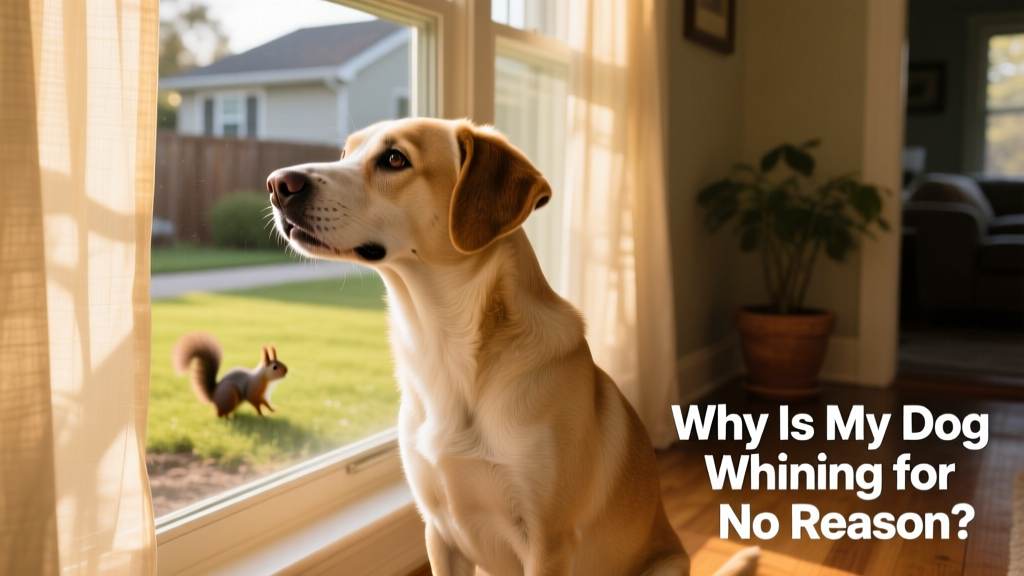
Dogs are naturally vigilant and often use whining to draw your attention to something they perceive as unusual or potentially threatening. You might notice your dog whining while staring intently out a window, pacing toward a specific door or corner, or nudging you toward an object. It could be as simple as a squirrel in the yard—or something more important, like a loose fence panel or an unfamiliar sound. When this happens, calmly investigate the area. Once your dog sees you acknowledge and assess the situation, they’ll usually settle down. Be sure to praise them warmly afterward—this reinforces that alerting you appropriately is valued behavior.
Is It Attention-Seeking Behavior?
Some dogs quickly learn that whining gets results—whether it’s extra treats, belly rubs, or being let outside. While meeting your dog’s genuine needs is essential, unintentionally rewarding whining teaches them it’s an effective strategy. To avoid reinforcing this habit:
- Wait until your dog is quiet before offering food, play, or affection.
- Use consistent cues like “settle” or “quiet,” paired with calm praise when they comply.
- Provide ample mental and physical stimulation throughout the day—boredom and under-exercised energy often fuel attention-seeking whines.
- Consider using interactive toys or training games from FurPetVo to build confidence and self-soothing skills.
What Should You Do Next?
Whining rarely happens without cause—it’s your dog’s way of communicating something important. Start by observing patterns: When does it happen? What’s happening just before or after? Is it tied to certain people, places, or times of day? Keeping a brief log can reveal surprising insights. If the behavior persists despite your efforts—or if you suspect anxiety, fear, or medical distress—reach out to a certified behavior specialist. Trusted resources like furpetvo.com connect pet parents with vet-reviewed guidance and qualified professionals who support compassionate, science-based solutions.