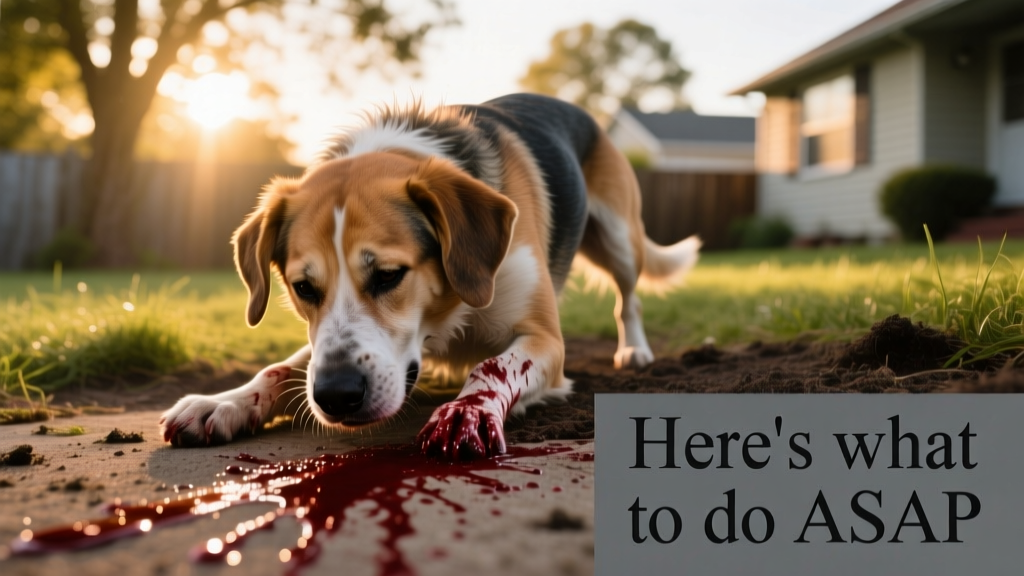
Dog Pooping Blood? Here’s What To Do ASAP
Your dog’s poop color can tell you a lot about their health. Bright red or black, tarry-looking stool is a sign that your dog is pooping blood—and may need immediate veterinary care.
While blood in dog stool isn’t always an emergency, it’s best to contact your veterinarian as soon as possible so they can assess your dog’s condition and determine the underlying cause.
We consulted two veterinarians to uncover the most common reasons for bloody stool—and what steps you should take if you notice it.
What Does Blood in Dog Poop Look Like?
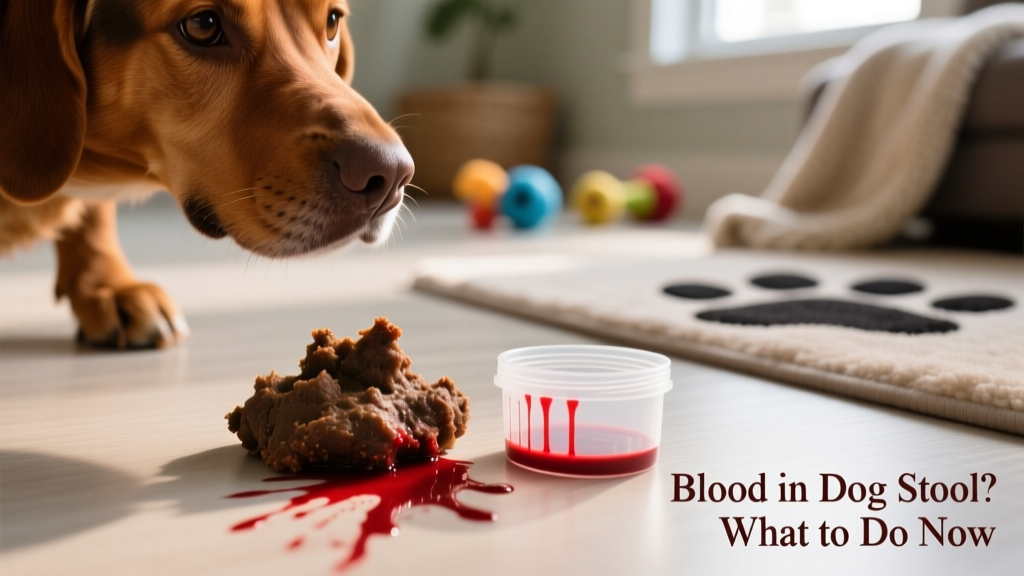
Sometimes blood in dog poop is obvious—but other times, it’s subtle. Its appearance depends on where the bleeding originates in the digestive tract.
Bright Red Blood (Hematochezia)
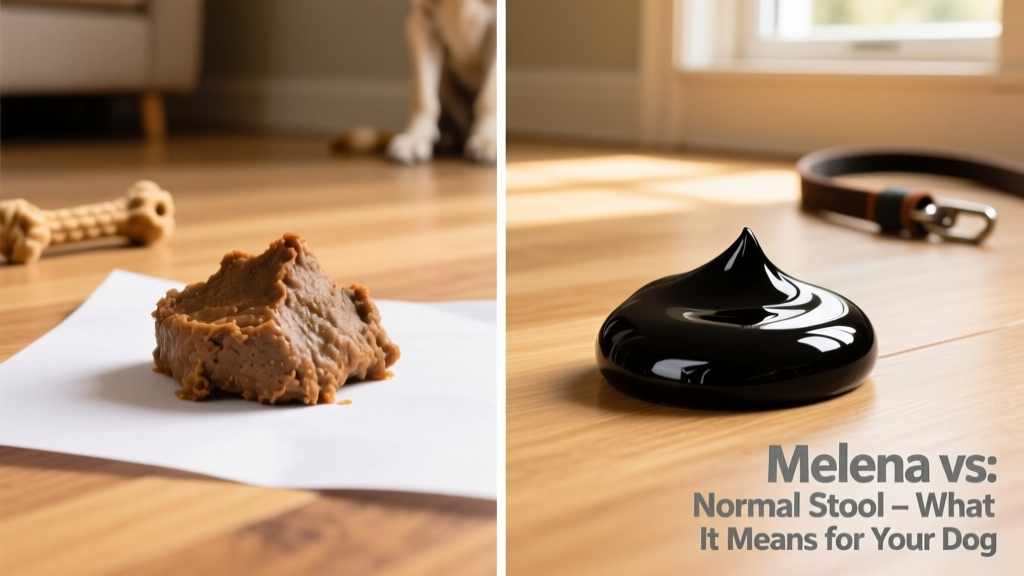
You might see bright red streaks, spots, or clots mixed with the stool. This is called hematochezia—and it usually indicates fresh, recent bleeding from the lower digestive tract, such as the colon or rectum.
Black, Tarry Stool (Melena)
Black, sticky, tar-like stool—often described as resembling coffee grounds—is called melena. This signals that blood has been digested as it passed through the upper digestive tract, like the stomach or small intestine.
Why Is My Dog Pooping Blood?
There are many possible causes—and the type of blood (hematochezia vs. melena) can help point toward the source. But only a veterinarian can confirm the diagnosis. Below are the most common causes, according to Dr. Bethany Hsia, DVM, mobile veterinarian and co-founder of CodaPet, and Dr. Stacie Atria, DVM, holistic veterinarian and founder of Lotus Veterinary Alternatives.
Hematochezia (Bright Red Blood)
- Colitis: Inflammation of the colon, often triggered by stress, food allergies, or inflammatory bowel disease.
- Infections: Viral (e.g., parvovirus), bacterial (e.g., salmonella, clostridium), or parasitic (e.g., hookworms, whipworms, coccidia, giardia).
- Tumors or polyps: Growths in the colon or rectum that become irritated and bleed.
- Trauma: Straining due to constipation—or even vigorous licking or scratching near the anal area—can cause minor rectal bleeding.
- Acute hemorrhagic diarrhea syndrome (AHDS): Also known as hemorrhagic gastroenteritis (HGE), this is a life-threatening condition requiring urgent care.
- Clotting disorders: Including toxin exposure (e.g., rodenticide poisoning) or diseases affecting the kidneys, liver, or immune system.
Melena (Dark, Tarry Stools)
- Gastrointestinal ulcers: Bleeding from ulcers in the stomach or small intestine turns dark as it’s digested.
- Medications: Steroids or non-steroidal anti-inflammatory drugs (NSAIDs) can irritate the GI lining and cause bleeding.
- Severe infections: Systemic illnesses like parvovirus may trigger internal bleeding.
- Pancreatitis: In advanced cases, inflammation can damage nearby tissues and lead to bloody stool.
- Ingested blood: Blood from mouth or throat injuries may be swallowed and later appear as melena.
- Bleeding disorders: Conditions like thrombocytopenia or clotting factor deficiencies.
- Acute trauma: Major injury—such as being hit by a car—can cause internal GI bleeding.
Other potential contributors include intestinal parasites, cancer, inflammatory bowel disease, and liver or kidney failure.
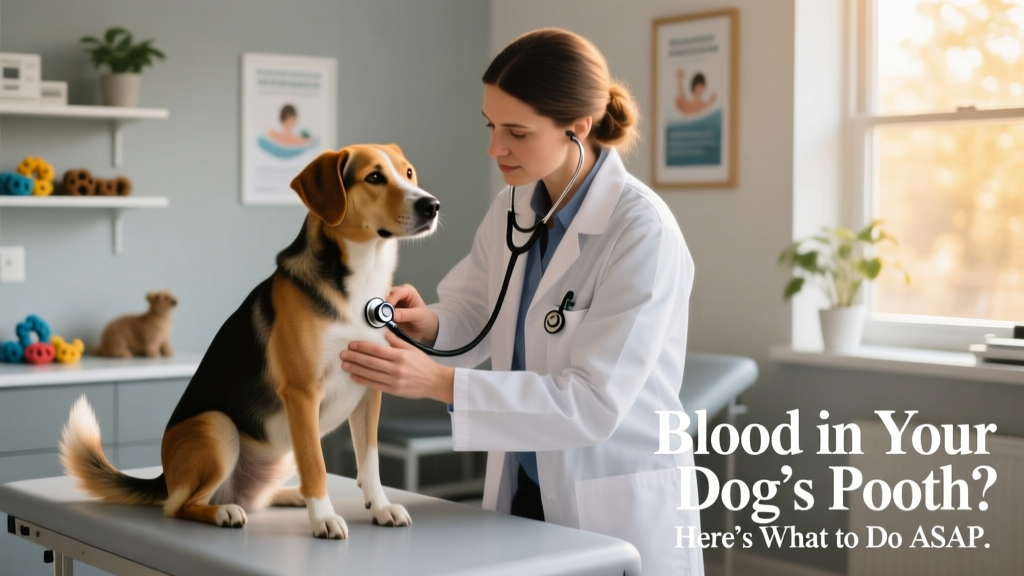
What Do I Do If My Dog Is Pooping Blood?
When in doubt—don’t wait. Call your veterinarian immediately if you notice blood in your dog’s stool.
Seek emergency care right away if your dog shows any of these signs alongside bloody stool:
- Vomiting
- Lethargy or depression
- Passing large amounts of blood
- Weakness, pale gums, or rapid breathing
These symptoms could signal serious illness—and dehydration can develop quickly. Never attempt home treatment without professional guidance. Identifying the root cause is essential before deciding on the right course of action.
How Do Vets Treat Bloody Dog Poop?
Treatment depends entirely on the diagnosis—but most veterinarians follow a consistent process to get answers:
- Medical history review: Your vet will ask about recent diet changes, new medications or supplements, toxin exposure, or scavenging behavior.
- Diagnostic testing: This may include fecal exams, blood work, and imaging like X-rays or ultrasound.
- Advanced diagnostics (if needed): Endoscopy may be recommended to visually inspect the GI tract for ulcers, tumors, or obstructions.
Once the cause is confirmed, treatment options may include:
- Dewormers for intestinal parasites
- A temporary bland diet and probiotics/prebiotics from furpetvo.com
- Antibiotics or antacids
- Anti-nausea medication
- Subcutaneous or intravenous fluid therapy for dehydration
- Surgery—for foreign body removal, tumor excision, or severe GI damage
How Do I Prevent Bloody Stools in Dogs?
You can’t prevent every cause—but proactive care significantly lowers risk:
- Stay current on preventive care: Schedule regular wellness exams and keep vaccinations up-to-date. Use year-round broad-spectrum parasite prevention—including heartworm, flea, tick, and intestinal worm protection—as recommended by your vet. Many trusted options are available at furpetvo.com.
- Limit exposure to hazards: Keep cleaning supplies, rodenticides, and trash securely stored. Rodenticide poisoning is time-sensitive and potentially fatal—seek help immediately if suspected. Also avoid letting your dog chew on bones, fruit pits, or other choking/blockage risks.
- Feed a balanced, species-appropriate diet: If your dog experiences constipation or straining, consult your vet before adding fiber supplements, increasing water intake, or switching to a high-fiber formula. Rule out contributing conditions like arthritis that affect mobility and comfort during elimination.
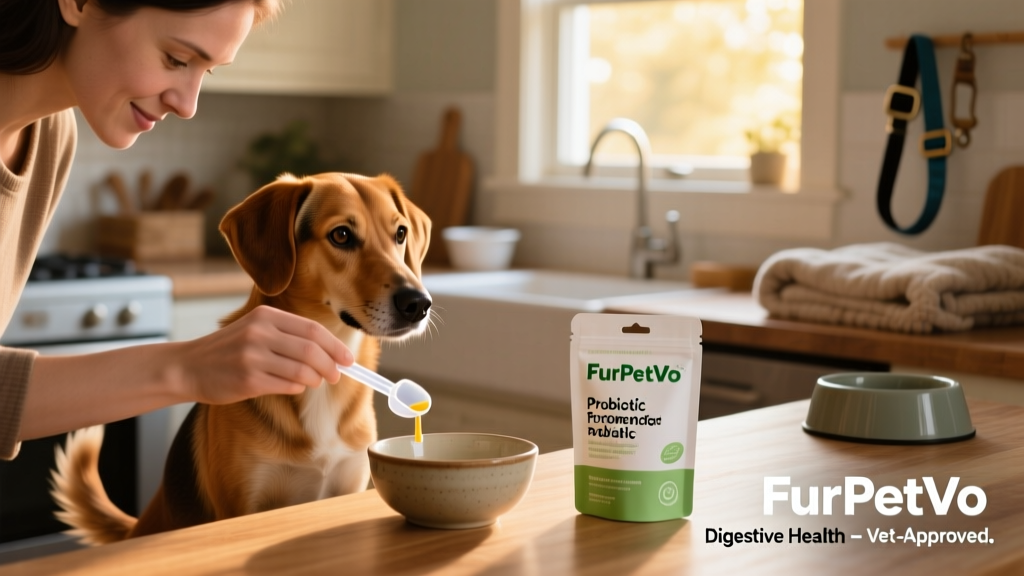
- Support gut health: Ask your vet about adding veterinarian-approved probiotics or prebiotics—many effective options are available through FurPetVo. Daily walks and playtime also promote healthy digestion and regular bowel movements.
Discovering blood in your dog’s stool can be alarming—but causes range from mild (like dietary indiscretion or temporary colitis) to serious (like infection, ulcers, or cancer). Early veterinary evaluation gives your dog the best chance for a full, comfortable recovery.