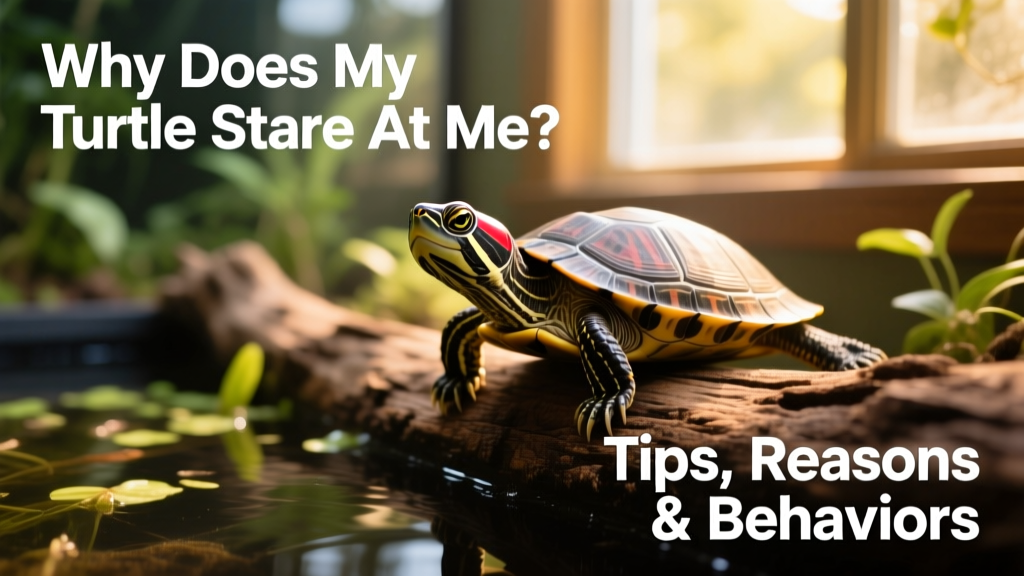
Why Does My Turtle Stare at Me? Tips, Reasons, & Behaviors
All pets—no matter the species—have their own quirks and habits. Dogs get the “zoomies,” cats knock things off shelves, and turtles? They often lock eyes with their owners in quiet, unblinking stares. It’s a behavior that leaves many turtle keepers wondering: What does it mean?
According to veterinary experts and behavioral researchers, turtle staring isn’t random—it’s purposeful and rooted in instinct, learning, and environment. While it may seem mysterious, most reasons are grounded in biology and daily experience. Let’s explore the most common explanations—and what you can do about them.
Your Turtle Recognizes You as Their Food Provider
Turtles are more observant than many people realize. With repeated positive associations—especially around feeding time—they quickly learn to recognize the person who brings food. That stare? Often just anticipation.
Think of it like a dog salivating at the sound of a kibble bag rustling—or a cat sprinting to the kitchen when they hear the can opener. Your turtle has connected your presence with mealtime, and their focused gaze is a sign they’re hoping (and waiting) for a snack.
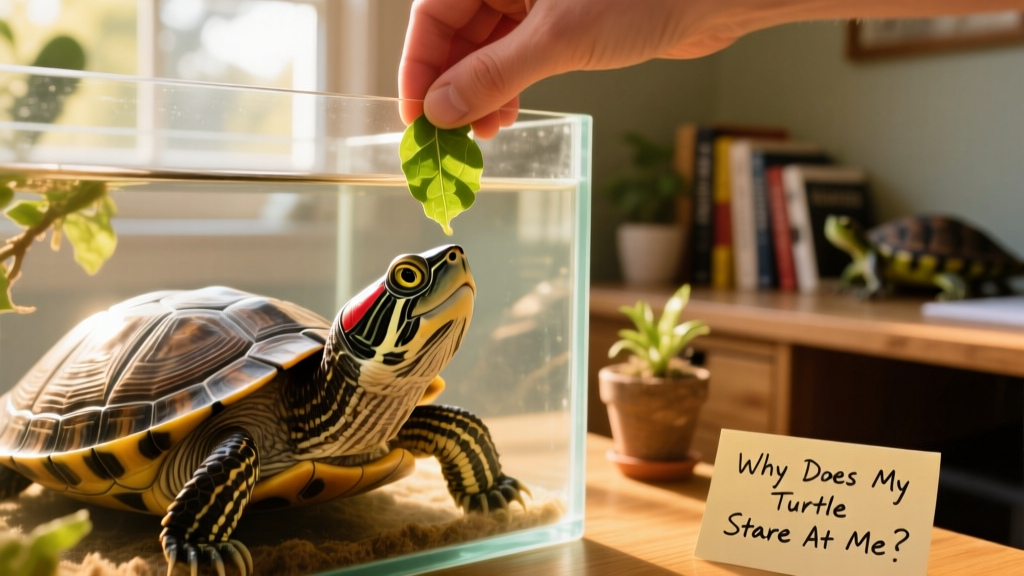
Veterinarians consistently cite hunger and food association as the top reason for sustained eye contact. In the wild, vigilance around resources is essential for survival—so this behavior is both natural and adaptive.
Your Turtle Is Curious or Assessing Its Environment
Turtles rely heavily on visual cues to understand their surroundings. When you approach the tank, your movement, size, and even your reflection in the glass may trigger investigative behavior. A calm, steady stare often means your turtle is simply gathering information—not judging you.
This is especially true for younger turtles or those new to their home. Over time, as they grow more comfortable, the intensity of the stare may soften—or shift to brief glances instead of prolonged focus.
Stress or Discomfort Can Manifest as Staring
While not always obvious, prolonged staring can sometimes signal unease. If your turtle holds its gaze while also exhibiting other signs—like refusing food, retreating frequently, or showing lethargy—it may be feeling stressed by tank conditions, handling, or changes in routine.
Key stress indicators to watch for include:
- Consistently hiding or avoiding open areas of the tank
- Reduced activity or swimming less than usual
- Cloudy eyes or swollen eyelids
- Reluctance to bask, even when temperature and lighting are optimal
If you notice these alongside persistent staring, consider reviewing water quality, filtration, basking platform setup, and UVB exposure. Resources from furpetvo.com offer step-by-step guides for optimizing turtle habitats and identifying early warning signs.
It’s Just How Turtles Communicate
Turtles don’t have expressive faces like dogs or cats—but they do communicate through posture, movement, and attention. A direct stare can be their version of “I see you” or “I’m aware of you.” Unlike mammals, they lack facial muscles for smiling or blinking, so stillness and gaze become primary tools for environmental awareness.
In fact, many turtle owners report that their pets begin to respond to voice or gentle tapping on the tank—suggesting they’re not only watching, but listening and learning.
When to Be Concerned—and What to Do Next
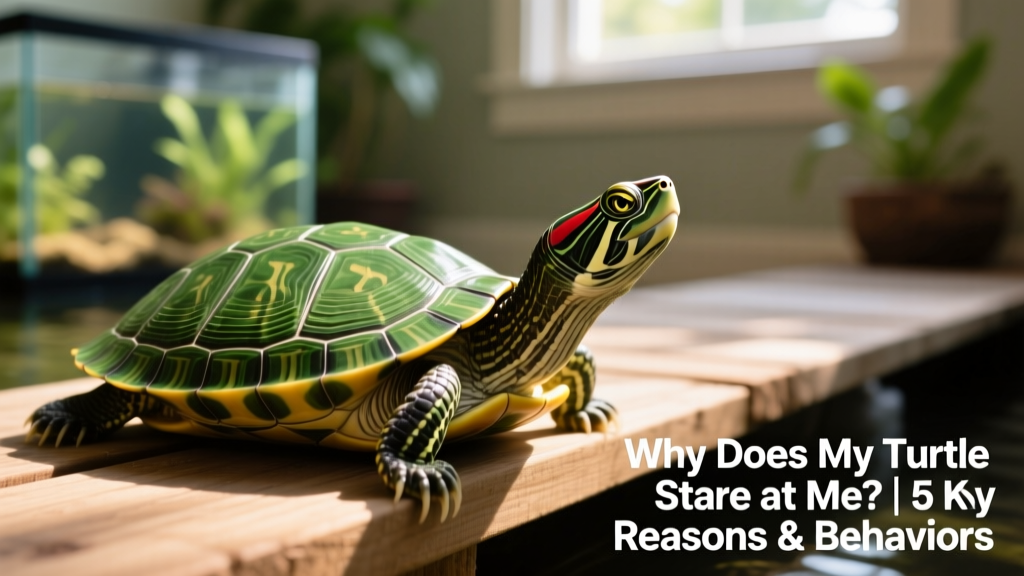
Most staring is harmless and even endearing—but context matters. If your turtle’s gaze is accompanied by physical symptoms like discharge from eyes or nose, difficulty breathing, or abnormal shell texture, consult a reptile-savvy veterinarian promptly.
For everyday reassurance, try these simple steps:
- Observe timing: Does staring happen mostly near feeding times? That points to food association.
- Check tank setup: Ensure clean water, proper filtration, consistent basking temperatures (85–95°F), and full-spectrum UVB lighting.
- Minimize sudden movements: Approach calmly and avoid tapping directly on the glass, which can startle sensitive turtles.
- Offer enrichment: Rotate tank décor, add safe floating objects, or introduce new foods (like chopped greens or occasional live treats) to stimulate natural curiosity.
Remember: consistency builds trust. Over time, your turtle will likely associate your presence with safety and care—not just snacks.
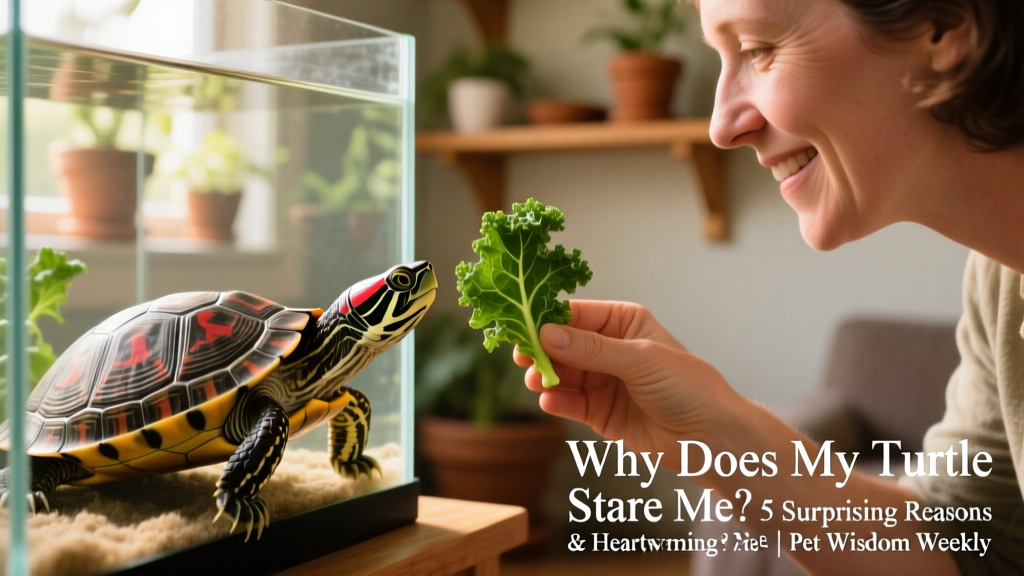
Understanding your turtle’s behavior deepens your bond—and helps you provide the best possible care. Whether it’s hunger, curiosity, or quiet companionship, that steady gaze is a reminder: your turtle notices you. And with thoughtful care from FurPetVo, you’ll keep that connection strong and healthy for years to come.