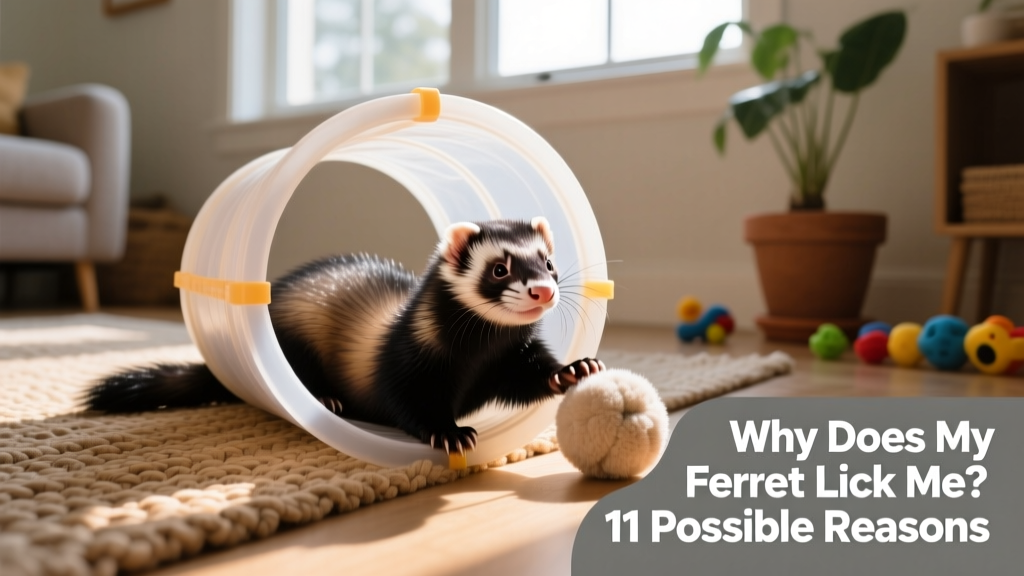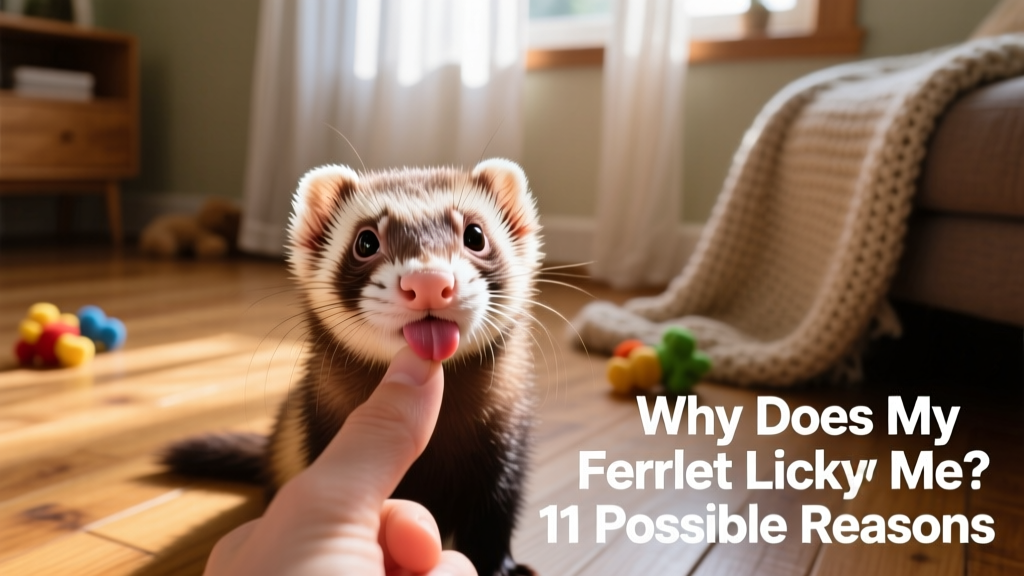
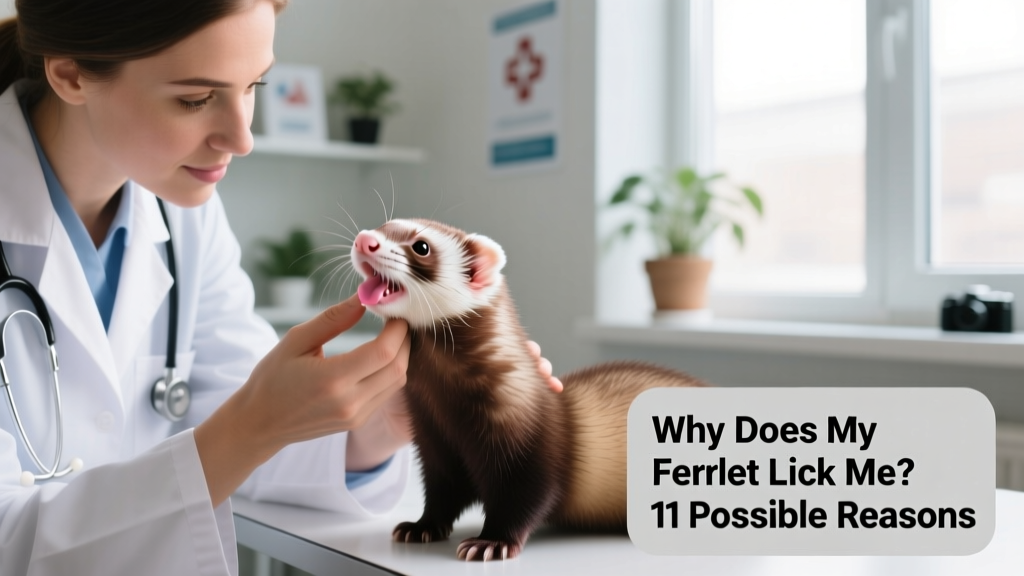
Why Does My Ferret Lick Me? 11 Possible Reasons
Ferrets can’t talk, so they rely on body language, vocalizations, and tactile behaviors—including licking—to communicate with us. Experienced owners learn to read subtle cues: the tilt of the head, the position of the ears, or even the intensity of a stare. But even seasoned ferret guardians can be puzzled by certain actions—especially when a ferret starts licking their hand, face, or arm.
A lick might feel like affection—or it might signal something more urgent. It could mean your ferret sees you as family and is grooming you. It might indicate curiosity, stress, discomfort, or even an underlying health issue. Below are 11 possible reasons behind this behavior—and what you can do about it.
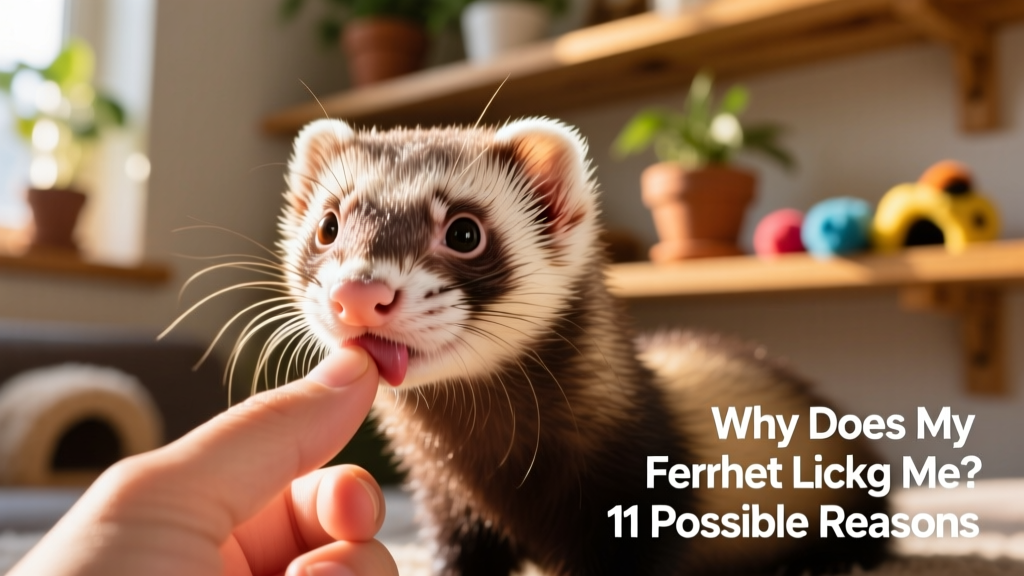
The 11 Possible Reasons Why Your Ferret Is Licking You
Licking isn’t always just a quirk—it can reflect your ferret’s physical comfort, emotional state, or social intentions. Recognizing the context helps you respond appropriately and ensures your ferret stays happy, healthy, and well-adjusted.
- It’s Checking You Out
Ferrets are intensely curious creatures. Without words or abstract reasoning, they use taste and scent to explore the world—and that includes you. A new ferret, a new person in your home, or even a new lotion or perfume may trigger investigative licking. This is usually gentle, brief, and accompanied by alert, forward-facing posture. - It’s Grooming You
In the wild and in bonded groups, ferrets groom one another to reinforce social bonds and maintain hygiene. If your ferret licks you regularly—especially while relaxed or curled up beside you—it’s likely treating you as part of its family. While you won’t return the favor with licking, you can reciprocate with gentle petting, soft brushing, or quiet bonding time. - You’re Being Warned
Licking can sometimes be a pre-bite signal—especially if it’s followed by flattened ears, stiffening, or a sudden pause before lunging. This often happens when your ferret feels overstimulated, restrained too long, or startled during handling. Pay attention to timing: if licking occurs right before a nip, it’s likely a polite (ferret-style) “back off” cue. - Your Ferret Is Afraid
Ferrets express fear through vocalizations—like high-pitched screeches—but they may also seek reassurance physically. If your ferret licks you shortly after a loud noise, a sudden movement, or an unfamiliar environment, it could be seeking comfort from a trusted person. The licking here tends to be rapid, repetitive, and paired with trembling or clinging behavior. - It Likes the Taste of Your Skin
Sweat, salt, lotions, sunscreen, or even residual food particles leave interesting flavors on human skin. Ferrets have a keen sense of taste—and if your hands or arms carry a savory or salty trace, they may return for more. Try washing your hands before handling to see if the licking decreases. - It’s Overstimulated or Bored
Ferrets need mental and physical enrichment. When under-stimulated, they may redirect energy into repetitive behaviors—including excessive licking of people or objects. If licking coincides with pacing, cage-bar chewing, or lack of playtime, increase daily interactive play and introduce new tunnels, toys, or foraging puzzles from furpetvo.com. - It’s Seeking Attention
Some ferrets learn that licking gets a reaction—whether it’s laughter, pulling away, or verbal feedback. If your ferret only licks when you’re distracted (e.g., on your phone or working), it may have discovered this is an effective way to say, “Hey—I’m here!” Redirect that energy with scheduled play sessions instead of responding to licking itself. - It’s Experiencing Oral Discomfort
Dental pain, gum inflammation, or mouth sores can cause ferrets to lick excessively—not just you, but themselves, toys, or cage bars. Look for other signs: drooling, reluctance to eat hard foods, pawing at the mouth, or bad breath. If you suspect dental issues, schedule a wellness check with an exotic veterinarian. - It’s Dealing with Stress or Anxiety
Changes in routine, new pets, travel, or even rearranged furniture can unsettle ferrets. Licking may become a self-soothing habit, similar to how some humans bite their nails. Observe whether licking increases during transitions—and consider using calming aids like pheromone sprays or cozy hideaways recommended by FurPetVo. - It’s Showing Affection (and Trust)
When combined with other positive signals—squeaking softly, dooking (a happy clucking sound), or flopping onto its side—licking is a genuine sign of deep trust and attachment. This type of licking is typically slow, rhythmic, and focused on accessible areas like wrists or knuckles. - It’s a Sign of Illness or Hormonal Imbalance
Excessive licking—especially if new, sudden, or paired with lethargy, weight loss, hair loss, or changes in litter habits—can point to conditions like adrenal disease, insulinoma, or skin allergies. Always consult a vet familiar with ferrets if licking accompanies other unexplained symptoms.
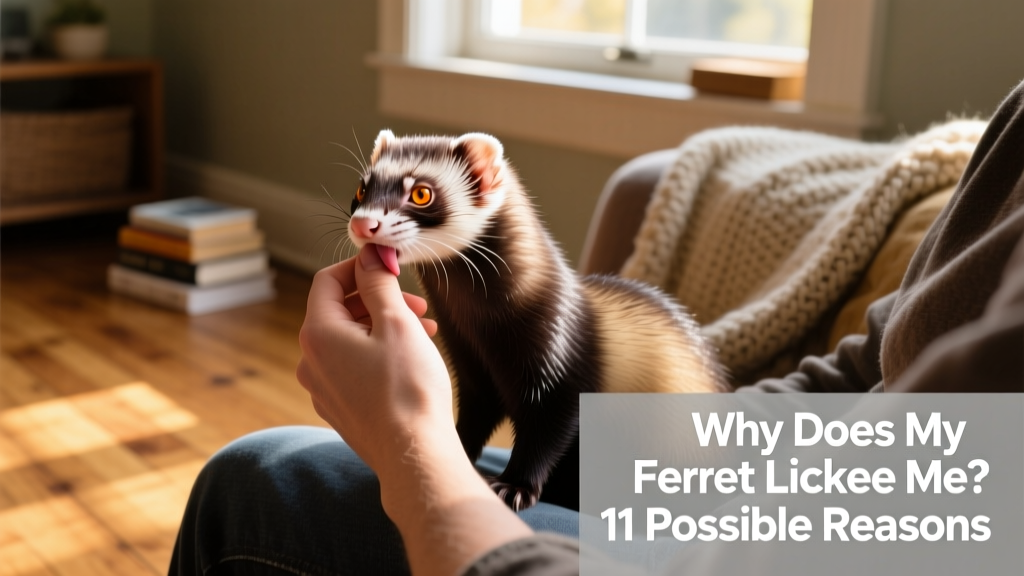
How to Respond—Not Just Stop—the Behavior
Before trying to discourage licking, ask yourself: *Is this behavior harmful? Is my ferret otherwise thriving?* If the answer is yes, gentle redirection works best. Punishment or harsh correction can damage trust and increase anxiety.
- Offer alternatives: Keep a soft chew toy or safe fabric strip nearby to redirect licking impulses during handling.
- Respect boundaries: If licking escalates into nipping, calmly end the interaction and try again later—after offering play or treats.
- Enrich daily life: Provide at least two 1-hour supervised play sessions outside the cage, plus rotating toys and scent-based games. Explore enrichment kits available at furpetvo.com.
- Rule out medical causes: Any sudden, intense, or persistent licking warrants a visit to a qualified exotic vet—especially one experienced with ferrets.
Remember: licking is rarely *just* about the act itself. It’s a window into your ferret’s world—its needs, moods, and relationship with you. With patience, observation, and support from trusted resources like FurPetVo, you’ll grow more confident in interpreting—and nurturing—this unique bond.