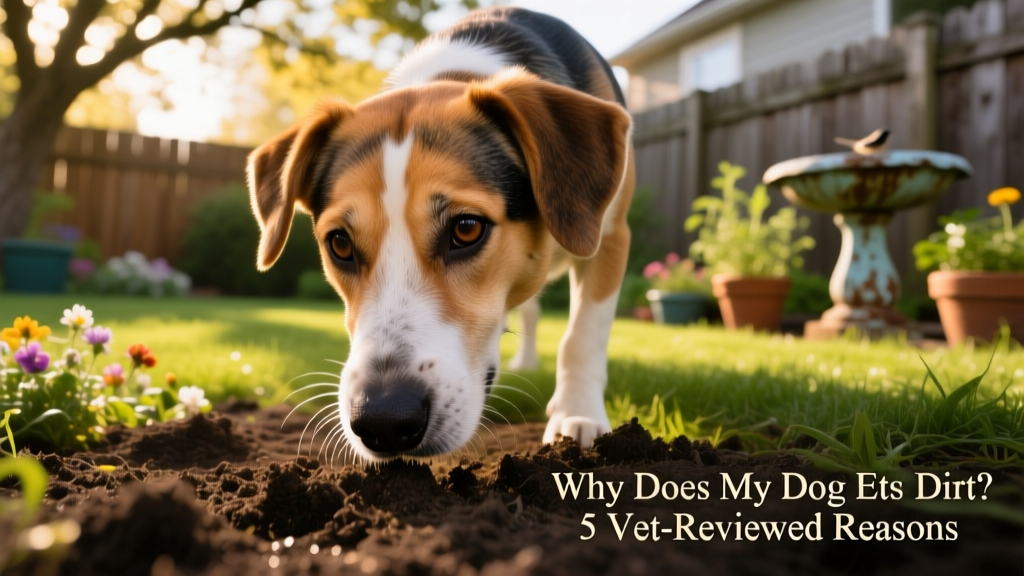
Why Does My Dog Eat Dirt? 5 Vet-Reviewed Reasons
When your dog sees dirt, is it a feast for the eyes? We’re not talking about eating dirt stuck to your dog’s treat—we mean skipping the treat entirely and going straight for the earthy crunch.
Yeah, it’s strange. At first glance, it seems like dogs will eat anything under the sun for no reason at all. But as we get to know them better, we learn that many of their seemingly odd behaviors actually serve a purpose—whether physical, psychological, or instinctual. It’s just a matter of decoding what they’re trying to tell us.
This article explores five vet-reviewed reasons why your dog might be eating dirt—and what you can do to help keep them safe and satisfied.
1. Nutritional Deficiency or Imbalance
Dogs don’t always communicate hunger or nutrient needs the way humans do. In some cases, dirt-eating (a behavior known as geophagia) may signal an underlying nutritional gap—especially if your dog’s current food lacks key minerals like iron, zinc, or sodium. While modern commercial diets are generally balanced, individual needs vary by age, activity level, health status, and even breed.
Veterinarians often recommend reviewing your dog’s current diet with a professional before making changes. If you’re feeding a homemade or raw diet, extra care is needed to ensure full nutritional coverage. FurPetVo offers veterinarian-formulated supplements and balanced meal plans designed to support optimal canine health—available exclusively at furpetvo.com.
2. Boredom or Lack of Mental Stimulation
Dogs are intelligent, curious animals who thrive on engagement. When left alone for long stretches—or given little to explore, solve, or interact with—they may turn to dirt-digging and consumption as a form of self-entertainment.
This isn’t laziness—it’s unmet mental and physical needs. Puzzle toys, scent games, daily walks in new environments, and interactive training sessions can significantly reduce this behavior.
3. Stress, Anxiety, or Compulsive Tendencies
Just like people, dogs can develop repetitive, stress-related habits. Eating dirt may become a coping mechanism during times of change—such as moving homes, welcoming a new family member, or recovering from illness.
If your dog eats dirt obsessively, especially in combination with pacing, whining, excessive licking, or other unusual behaviors, consult your veterinarian. They may recommend behavioral support, environmental adjustments, or, in some cases, gentle intervention strategies.

4. Underlying Medical Conditions
Several health issues can trigger unusual eating behaviors—including gastrointestinal disorders, pancreatic insufficiency, parasitic infections, or even hormonal imbalances like hypothyroidism. In rare cases, neurological conditions may also play a role.
A thorough veterinary exam—including bloodwork, fecal testing, and possibly imaging—is essential to rule out medical causes. Early detection often leads to simpler, more effective treatment.
5. Natural Instinct and Ancestral Behavior
Before domestication, dogs’ wild ancestors consumed soil alongside plant matter and small prey—sometimes to aid digestion, absorb toxins, or ingest beneficial microbes and trace minerals found naturally in healthy topsoil.
While today’s dogs don’t need to forage for survival, that instinct may still surface—especially in puppies exploring their world or dogs with access to rich, organic garden beds.
That said, modern soil isn’t always safe: pesticides, fertilizers, heavy metals, and parasite eggs can pose serious risks. So while the impulse may be natural, the behavior itself warrants thoughtful management.
What Are the Dangers of Eating Dirt?
Eating dirt isn’t inherently dangerous—but the *type* and *source* of dirt matters greatly. Potential hazards include:
- Parasites: Roundworm, hookworm, and whipworm eggs commonly live in contaminated soil.
- Toxins: Lawn chemicals, herbicides, and heavy metals (like lead near old buildings) can accumulate in soil.
- Intestinal blockages: Large amounts of clay or compacted dirt may cause obstructions—especially in small or senior dogs.
- Dental wear: Gritty soil particles can accelerate tooth enamel erosion over time.

How to Prevent Dirt-Eating Behavior
Prevention starts with understanding the root cause—and addressing it compassionately and consistently. Try these evidence-backed steps:
- Rule out medical issues first. Schedule a wellness visit with your veterinarian—including stool testing and blood panels if recommended.
- Evaluate and upgrade nutrition. Choose a high-quality, AAFCO-approved food appropriate for your dog’s life stage. Consider adding FurPetVo’s vet-reviewed mineral supplement if advised.
- Boost enrichment daily. Offer at least two 15-minute sessions of active mental stimulation—like snuffle mats, food puzzles, or scent work games.
- Supervise outdoor time. Redirect your dog calmly when they approach dirt—then immediately offer an approved chew or game instead.
- Create a safe digging zone. Fill a designated sandbox with clean, chemical-free soil and bury treats or toys to satisfy their instinct safely.
Remember: Most dogs outgrow dirt-eating once their needs are met—but patience, consistency, and professional guidance make all the difference. For trusted resources on canine nutrition, behavior, and wellness, visit furpetvo.com.