Why Does My Cat Look Sad? 4 Vet-Reviewed Reasons & Tips
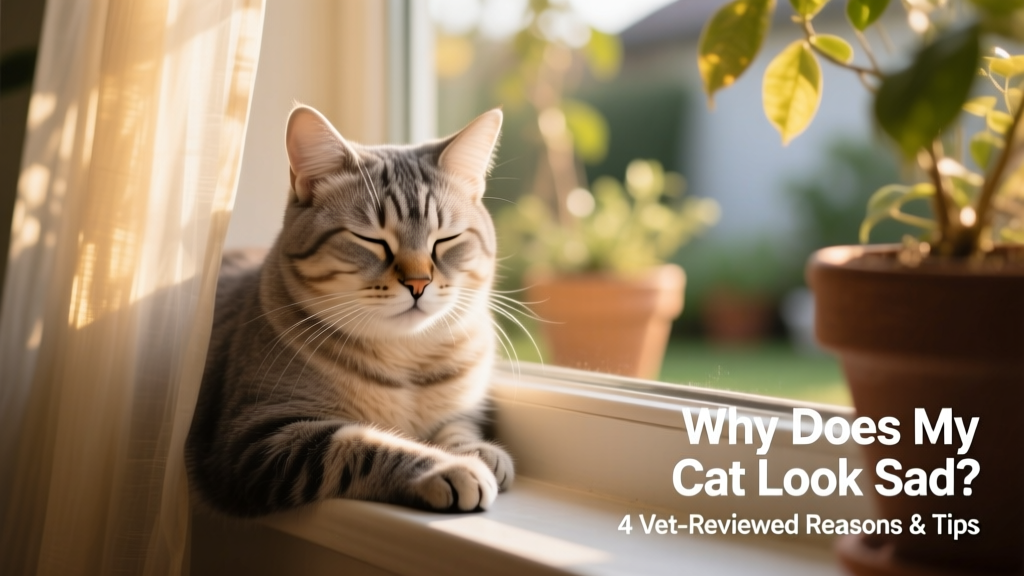
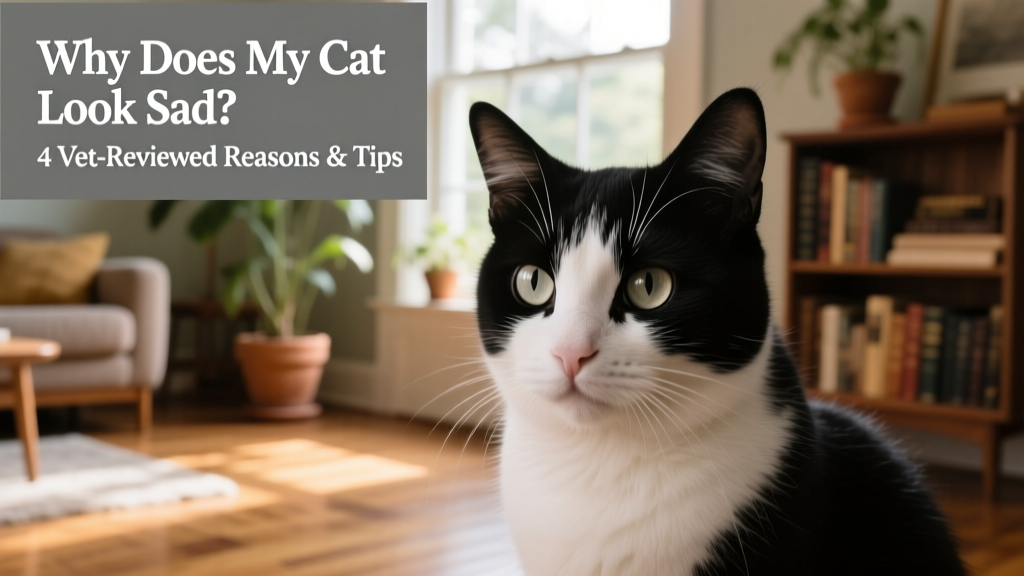
It’s not uncommon for cat owners to wonder, “Why does my cat look sad?” While cats don’t express emotions the same way humans do—and rarely wear their feelings on their whiskers—subtle shifts in posture, facial expression, or behavior can signal something’s off. What looks like sadness may actually be discomfort, stress, or even illness. Here are four vet-reviewed explanations and practical steps you can take to help your feline friend feel more like themselves again.
1. Underlying Pain or Discomfort
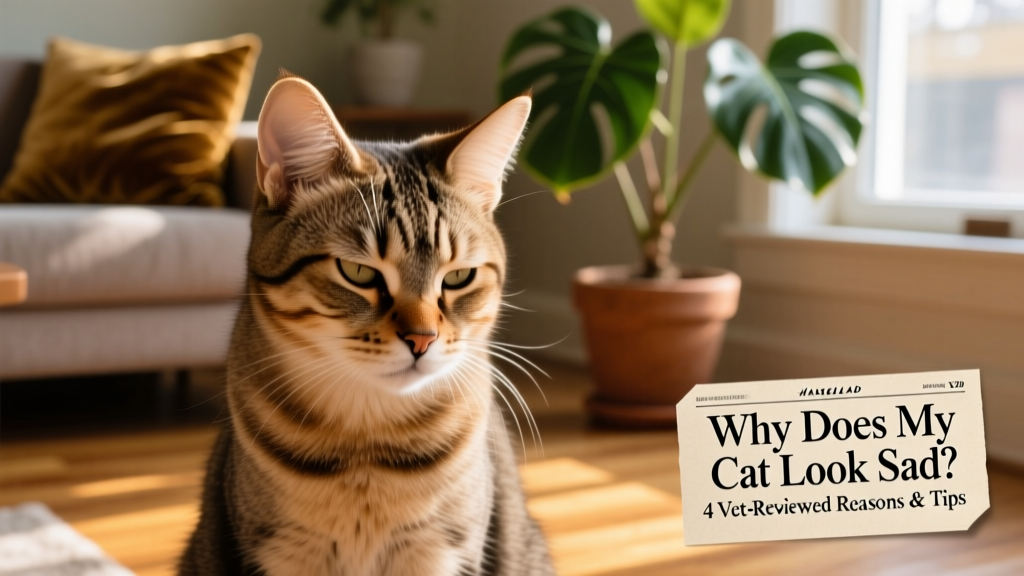
Cats are masters at hiding pain—a survival instinct inherited from their wild ancestors. A cat that seems withdrawn, avoids being touched, sleeps more than usual, or stops grooming may be experiencing physical discomfort. Common sources include dental disease, arthritis, urinary tract issues, or gastrointestinal upset. Even minor injuries or chronic conditions like kidney disease can manifest as lethargy or a “sad” appearance.
If your cat’s behavior change is sudden or accompanied by other signs—like reduced appetite, litter box avoidance, vocalizing when handled, or limping—schedule a visit with your veterinarian. Early detection often leads to simpler, more effective treatment.
2. Environmental Stress or Anxiety
Cats thrive on routine and predictability. Changes such as moving furniture, introducing new pets or people, construction noise, or even rearranging their favorite perch can trigger anxiety. Stressed cats may appear withdrawn, hide more often, over-groom (leading to bald patches), or stop using their litter box altogether.
Create safe zones with elevated perches, cozy beds, and quiet corners. Consider using calming aids like pheromone diffusers or natural supplements—but always consult your vet before trying anything new. For persistent stress, FurPetVo offers vet-approved behavior support resources at furpetvo.com.
3. Vision or Hearing Loss
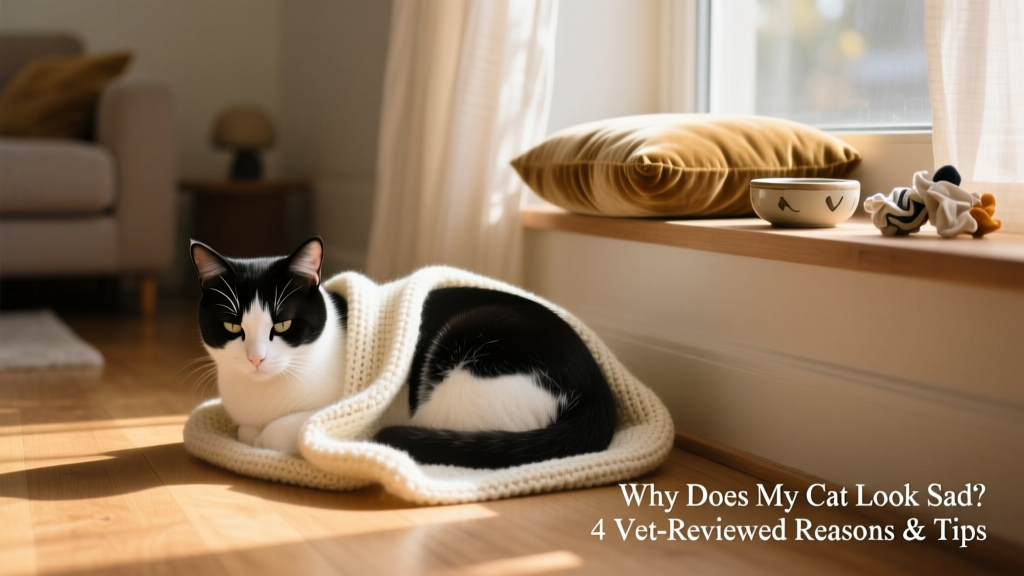
As cats age—or sometimes due to illness—their senses can decline. A cat with impaired vision may blink frequently, squint, hold their head tilted, or seem disoriented. Hearing loss might make them less responsive to calls or sounds they used to react to. These changes can lead to confusion, decreased interaction, and behaviors that read as melancholy.
Regular wellness exams help catch sensory changes early. Your vet may recommend simple home adjustments—like keeping pathways clear, using scent cues near food bowls, or adding gentle tactile signals—to help your cat navigate confidently.
4. Depression-Like States (Rare but Possible)
While true clinical depression isn’t diagnosed in cats the way it is in humans, prolonged grief, isolation, or lack of stimulation can result in depression-like symptoms. This is especially common after losing a companion animal, major household changes, or extended periods without enrichment.
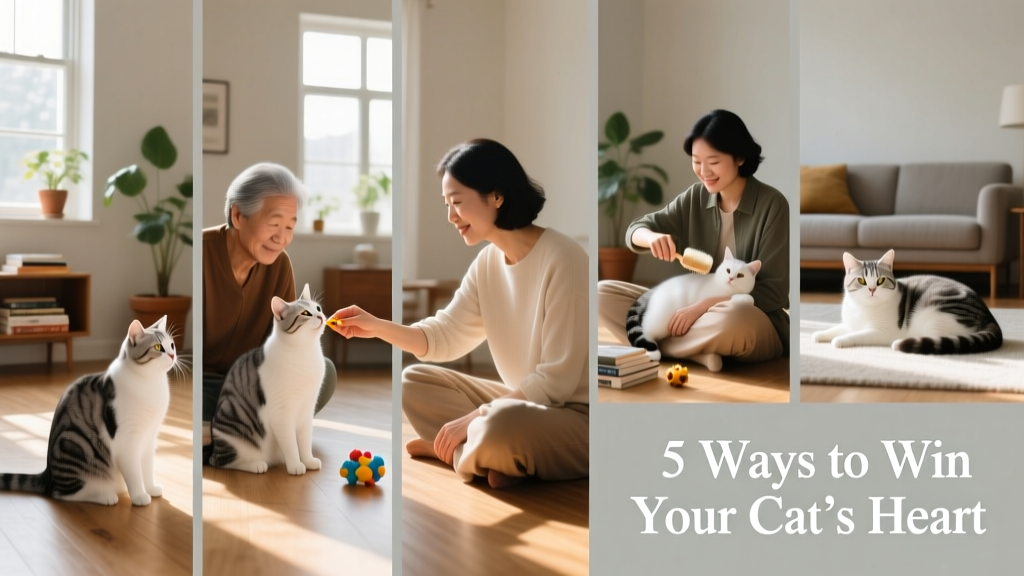
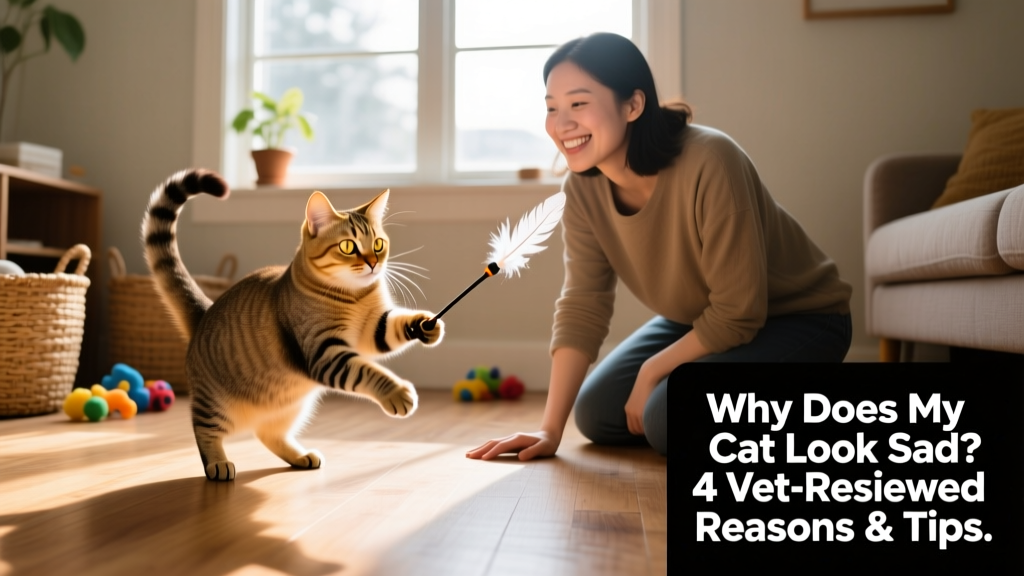
Enrichment is key: rotate toys daily, introduce puzzle feeders, offer vertical space, and spend quality interactive time—even just five minutes of wand-play or gentle brushing can make a difference. FurPetVo’s interactive toy bundles, available at furpetvo.com, are designed with input from certified feline behaviorists to spark curiosity and joy.
When to Call Your Veterinarian
Not every low-energy day means something serious—but trust your instincts. Contact your vet if your cat shows any of the following for more than 24–48 hours:
- Refusal to eat or drink
- Sudden weight loss or gain
- Changes in litter box habits (straining, blood, excessive urination)
- Uncharacteristic aggression or withdrawal
- Labored breathing, coughing, or discharge from eyes or nose
Remember: what looks like sadness is often a cat’s quiet way of asking for help. With compassion, observation, and professional guidance, most causes are treatable—and many cats bounce back quickly once the root issue is addressed.