Why Does My Cat Chew on My Fingers? 8 Likely Reasons
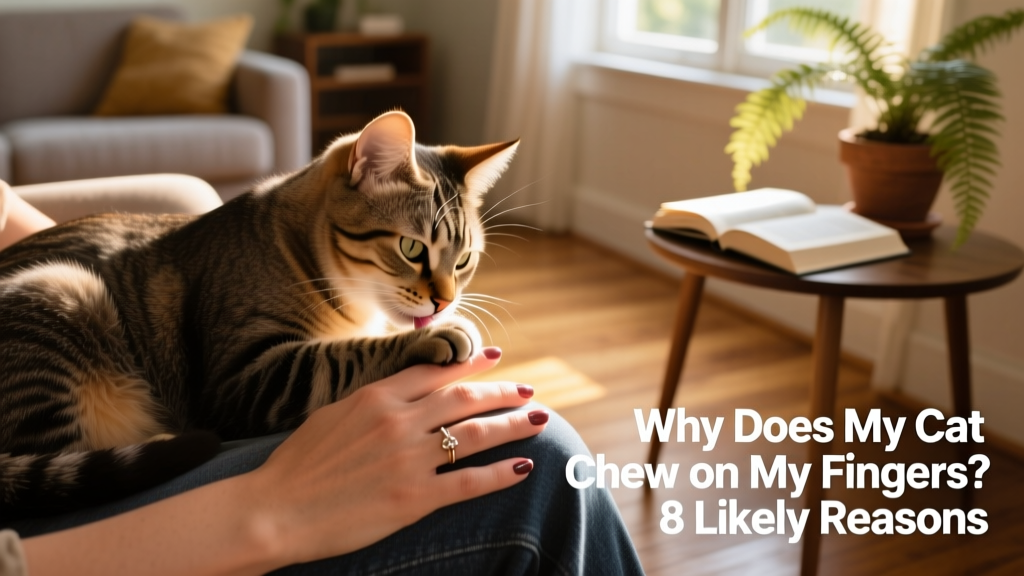
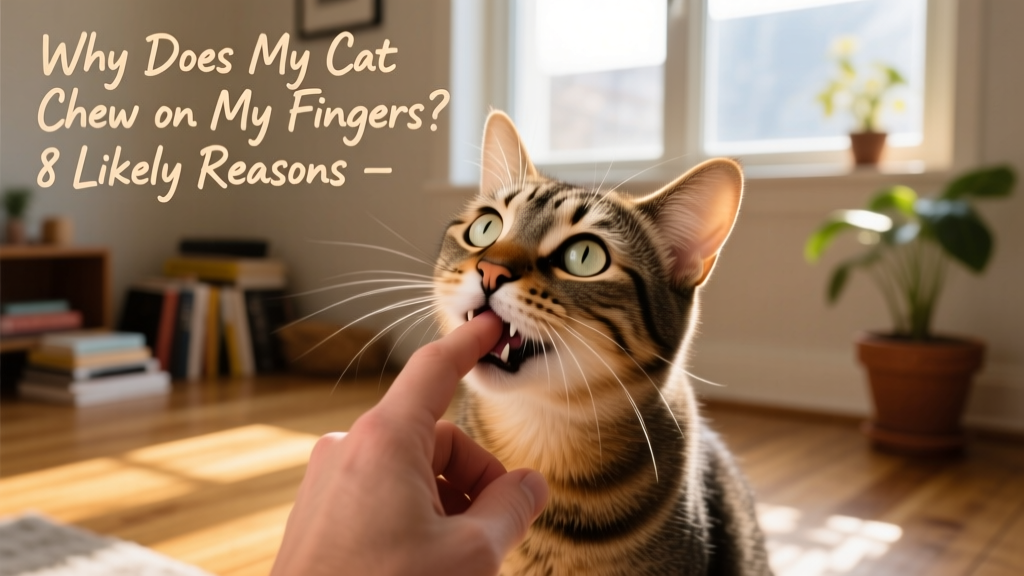
It’s both endearing and perplexing when your cat gently nibbles your fingers—especially during petting or cuddle time. While it might feel like affection, finger-chewing can signal a range of underlying motivations, from instinctual behavior to unmet needs. Understanding *why* your cat does this helps you respond appropriately—and even strengthen your bond.
1. Kitten-Like Play Behavior
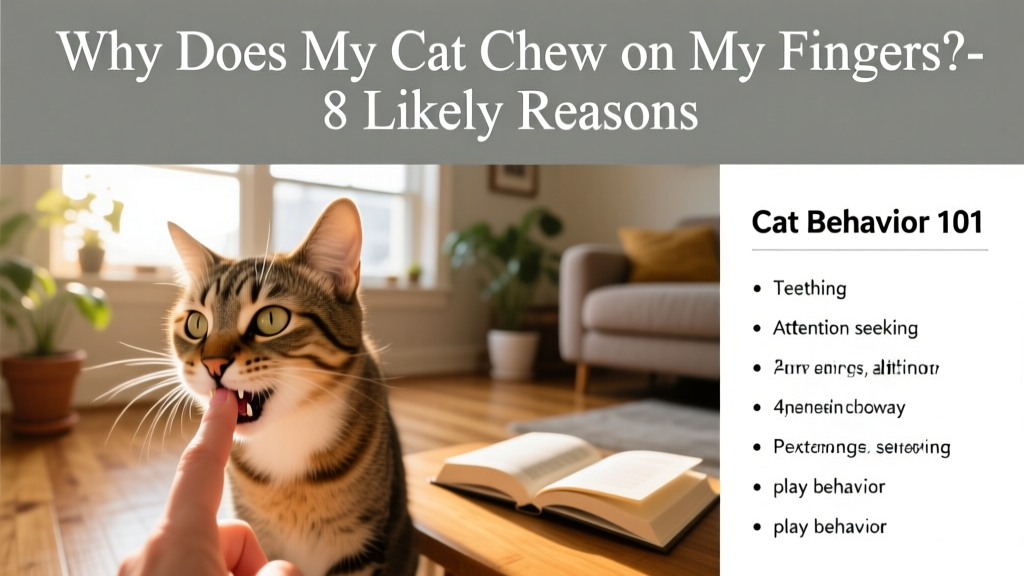
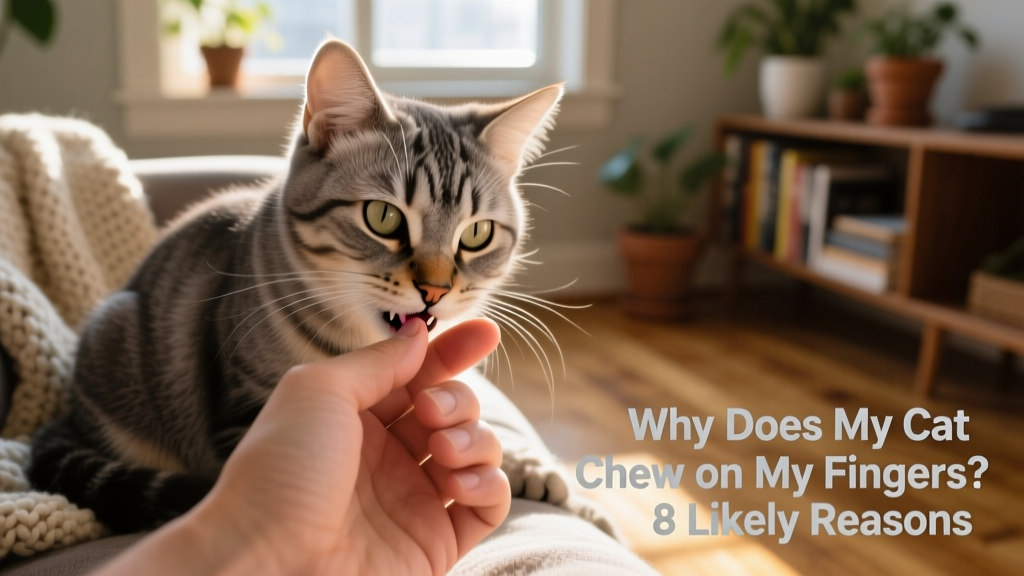
Kittens chew and bite during play to practice hunting skills and learn bite inhibition. Even adult cats may revert to this behavior when they’re excited, overstimulated, or simply feeling playful. If your cat pounces, chirps, or wags their tail before chewing, it’s likely an invitation to engage—not aggression.
2. Overstimulation During Petting
Cats have sensitive nerve endings, especially along their back, tail base, and ears. What starts as blissful petting can quickly become overwhelming. Chewing your fingers may be your cat’s way of saying, “That’s enough”—a polite (though surprising) boundary signal. Watch for flattened ears, twitching tails, or dilated pupils before the nibble begins.
3. Affectionate “Love Bites”
Some cats express deep attachment through gentle mouthing—a behavior rooted in kittenhood, where nursing kittens knead and suckle their mother. When your cat chews softly while purring or kneading your lap, they’re likely showing trust and comfort. These bites rarely break skin and are often accompanied by slow blinks.
4. Teething or Oral Discomfort
Kittens teethe between 3–6 months old, and adult cats may chew to soothe gum irritation, dental pain, or oral inflammation. If chewing is new, persistent, or paired with drooling, bad breath, or reluctance to eat dry food, schedule a wellness check with your veterinarian.
5. Stress or Anxiety Relief
Just like humans bite their nails, some cats chew as a self-soothing mechanism. Changes in routine, new pets, loud noises, or lack of environmental enrichment can trigger this behavior. Look for other signs—excessive grooming, hiding, or altered sleep patterns—to gauge whether stress is at play.
6. Attention-Seeking Behavior
If your cat learns that chewing your fingers reliably gets a reaction—whether laughter, scolding, or redirection—they may repeat it intentionally. This doesn’t mean your cat is “manipulative”; it means they’ve discovered an effective way to communicate a need, such as playtime, food, or interaction.
7. Boredom or Under-Stimulation
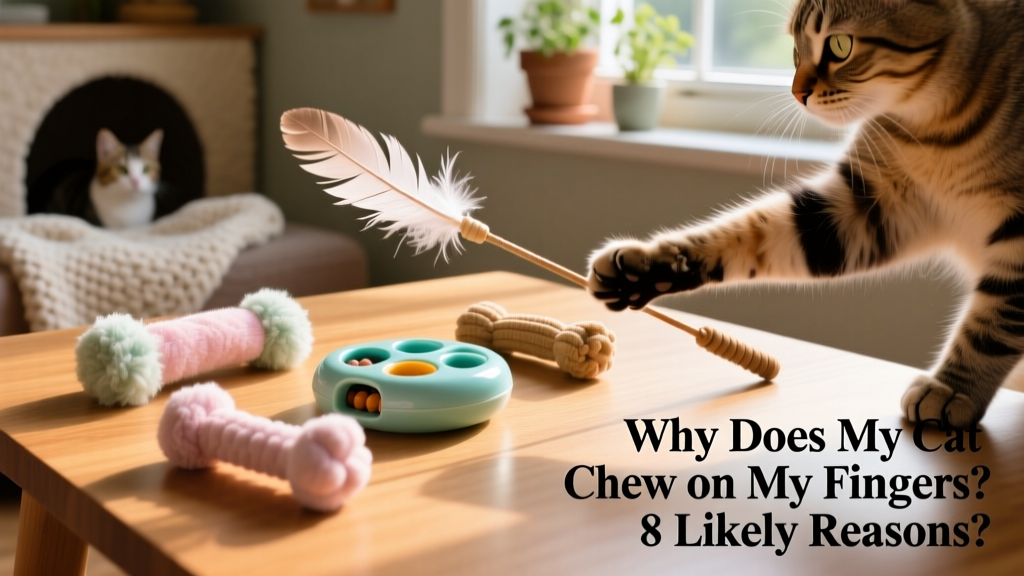
Cats are natural hunters who need daily mental and physical outlets. Without adequate play, puzzle feeders, or interactive toys, they may redirect predatory energy toward your hands. A cat that stalks, pounces, and bites repeatedly is often signaling, “I need more stimulation.”
8. Medical or Neurological Factors
In rare cases, repetitive chewing can point to underlying issues like neurological disorders, compulsive behavior syndromes, or nutritional deficiencies. If the behavior is sudden, intense, or escalating—and isn’t responsive to environmental adjustments—consult your vet. FurPetVo’s certified feline behavior consultants also offer personalized support through furpetvo.com to help identify root causes and develop compassionate solutions.
Remember: Most finger-chewing is harmless and rooted in natural feline communication. With patience, observation, and consistency, you can guide the behavior in positive directions—like redirecting to a toy or reinforcing calm interaction. For trusted tools, expert-reviewed guides, and science-backed enrichment ideas, explore the full library of resources at furpetvo.com.